
A dance and musical style born in the Llanos three centuries ago, joropo fuses African, European, and indigenous influences into the heartbeat of Venezuelan identity.
In UNESCO’s words
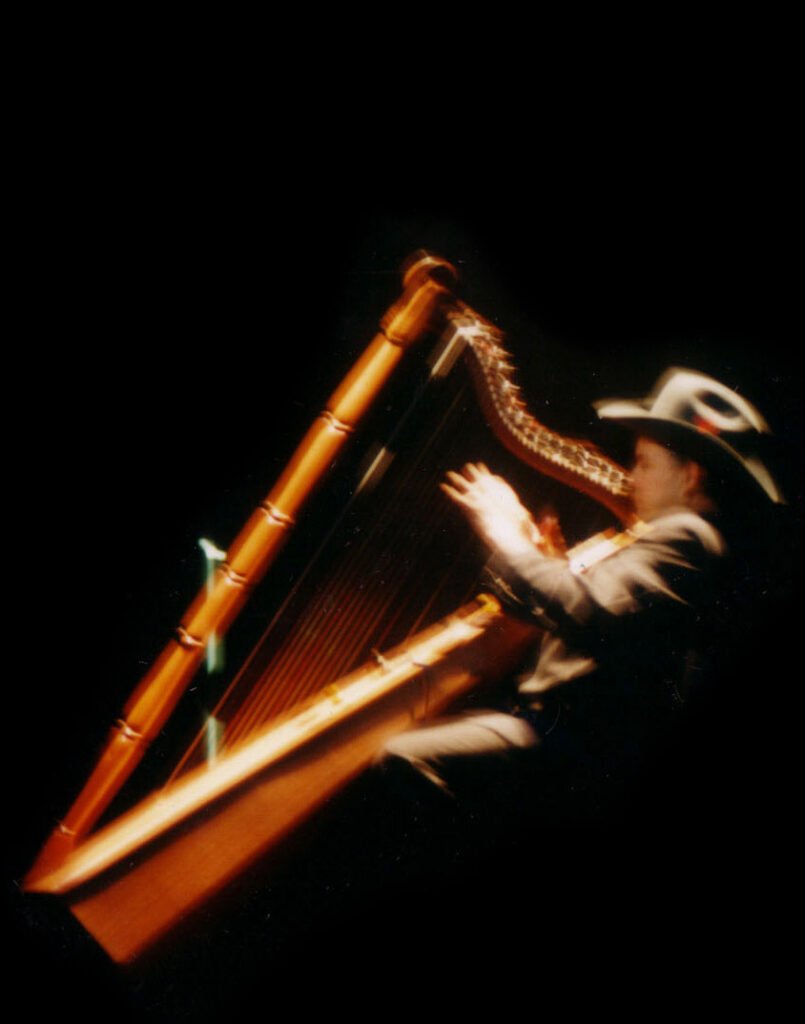
Joropo is a lively festive tradition resulting from the encounter between Indigenous People, Africans and Europeans. Its practice varies according to the regions: East, Guayana, The Andes, West Central, Central and The Plains. It combines music, poetry, singing and dancing, and involves various instruments such as the harp, cuatro, maracas, violin and accordion. The songs often tell stories about love, nature, humour and daily life. Joropo music is played all year round, both spontaneously and during planned events, and is common at family celebrations, public gatherings, and religious or cultural festivals. There is a corresponding partner dance where a man and woman hold each other at a certain distance, starting in a waltz position, and follow specific steps and movements. Joropo parties can last for several days and involve people of all ages. In some places, men typically sing and play the instruments while women dance, whereas in other communities everyone participates equally. Craftspeople such as instrument makers, composers, dressmakers and cooks also support the festivities. Knowledge about Joropo is passed down mainly through oral teaching, observation and imitation. Children often attend Joropo schools to learn the music, dance, traditional clothing and values connected to the tradition. A source of identity and pride, Joropo strengthens family and community bonds through shared celebration, music, dance and food.
Official description, UNESCO Intangible Cultural Heritage List — Joropo in Venezuela
At a glance
Joropo is a festive tradition combining music, poetry, singing and dancing that arose from the meeting of Indigenous, African and European cultures. The practice varies across different regions and employs instruments including harp, cuatro, maracas, violin and accordion. Songs typically explore themes of love, nature, humour and everyday life. A partner dance accompanies the music, with a man and woman holding each other at a distance and moving through specific steps, often beginning in a waltz position.
Origins & history
Joropo developed through the encounter between Indigenous peoples, Africans and Europeans. The tradition is practised in multiple regional forms across different areas, each with its own character and approach. Knowledge of joropo has been preserved and transmitted across generations primarily through oral teaching, observation and imitation rather than written instruction.
The practice
Joropo is performed year-round at family celebrations, public gatherings and religious or cultural festivals, both spontaneously and at planned events. Participants range across all ages. In some communities, men traditionally sing and play instruments while women dance; elsewhere, everyone participates equally. Instrument makers, composers, dressmakers and cooks support the festivities. Children often attend joropo schools to learn the music, dance, traditional clothing and associated values. Joropo parties may continue for several days.
Cultural significance
Joropo strengthens family and community bonds through shared celebration, music, dance and food, serving as a source of identity and pride. The tradition connects people to their cultural heritage and to each other across generations. Children learn not only the music and dance but the values embedded in the practice, ensuring joropo remains central to community life.
Key facts
- Country: Venezuela (Bolivarian Republic of)
- Inscribed: 2025
- UNESCO list: Representative List of the Intangible Cultural Heritage of Humanity
- UNESCO reference: 02092
- UNESCO vocabulary: Community participation; Dance; Festivity; Instrumental music
- Map: not shown — UNESCO’s official description of this element names no locality, and a living tradition is practised across a community, not at one address.
Where to experience it
Joropo is performed throughout Venezuela at family celebrations, public gatherings, and religious or cultural festivals, where it remains central to community life. The tradition thrives across diverse regions—East, Guayana, The Andes, West Central, Central and The Plains—each with its own regional variations. Visitors can encounter joropo at planned events and spontaneous gatherings year-round, where people of all ages participate in music, dance, and festivities that may last several days. Children learn the tradition in dedicated joropo schools, ensuring knowledge passes through observation, imitation, and oral teaching within families and communities.
Sources & resources
- UNESCO — official element page: Joropo in Venezuela
- UNESCO — open data record: Intangible Heritage List, reference 02092
- UNESCO — official photograph: The group Tacón y Cuerdas performs the joropo with violin and improvised verses, characteristic of the state of Carabobo, Central Region — Rafael Salvatore — Center for Cultural Diversity, 2023
- Reference — Wikipedia (secondary): Joropo — consulted as a secondary reference, not as confirmation
- Cultural Heritage Online: Our archive and city guides

Sources
- S1 — Olsen, Dale A., and Daniel E. Sheehy, eds. The Garland Encyclopedia of World Music: South America, Mexico, Central America, and the Caribbean. Routledge, 1998. ISBN 978-0-8240-6040-4.
- S2 — Peñín, José, y Walter Guido. Enciclopedia de la Música en Venezuela. Fundación Bigott, 1998. ISBN 978-980-6428-02-7.
Spotted an error? Write to editorial@culturalheritageonline.com and we correct it the same day.