
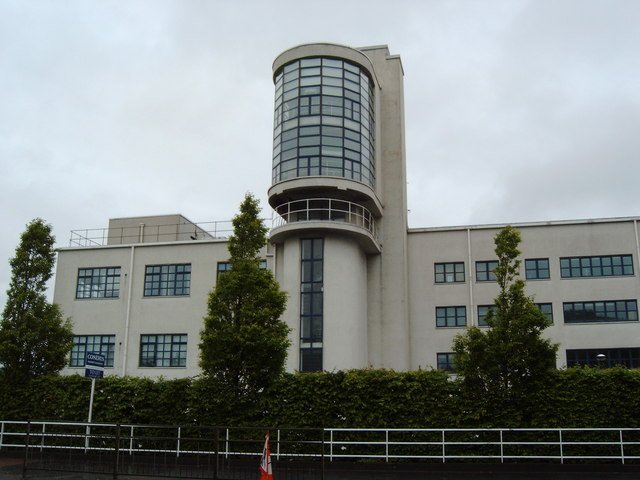
A striking residential building and former factory in Greater Govan, Luma Tower stands as one of Glasgow’s finest examples of Art Deco design, its streamlined form a testament to the modernist ambitions of the 1930s.
At a glance
Luma Tower is a listed residential and industrial building showcasing Streamline Moderne—the final phase of the Art Deco movement. Its preservation reflects the enduring appeal of interwar design in Scotland’s built heritage.
History
Designed by Scottish architect Cornelius Armour, the building was created during the golden age of Art Deco in the 1930s. Armour served as in-house architect for the Scottish Co-operative Wholesale Society, positioning the tower as an emblem of cooperative enterprise and progressive design. The structure has been recognized as a category B listed building since 1988, safeguarding its architectural legacy.
What you see
The tower exemplifies Streamline Moderne, characterized by horizontal lines, curved surfaces, and a sense of forward motion. Its design vocabulary reflects the era’s fascination with industrial grace and functional beauty—qualities that distinguish it among Glasgow’s Art Deco survivors.
Cultural significance
Luma Tower represents a pivotal moment in British industrial architecture when factory design embraced aesthetic ambition. Its prominence in Greater Govan underscores the district’s role as a center of manufacturing innovation and cooperative enterprise during the interwar period.
Key facts
- Country: United Kingdom
- City: Glasgow
- Designed by: Cornelius Armour
- Style: Streamline Moderne (late Art Deco)
- Period: 1930s
- Listed status: Category B (since 1988)
- Coordinates: 55.8599, −4.34717
Practical information & getting there
Luma Tower is located in the Greater Govan area of Glasgow, accessible by public transport and on foot from the city center. As a listed building, it remains a private residence; views from the street reveal its distinctive architectural character.
Sources & resources
Find it on the map
See this place and what’s around it →📷 Become a Cultural Heritage Online photographer
Share your photos of places: they stay published under your name as the author. The more they're seen, the more you get noticed — and soon a contest will reward the most appreciated photos.
Log in or sign up free to add a photoIs this page about you?
This page is read by travellers and heritage enthusiasts who find it on Google. Tell us how you are connected to this place and we will take it from there.