
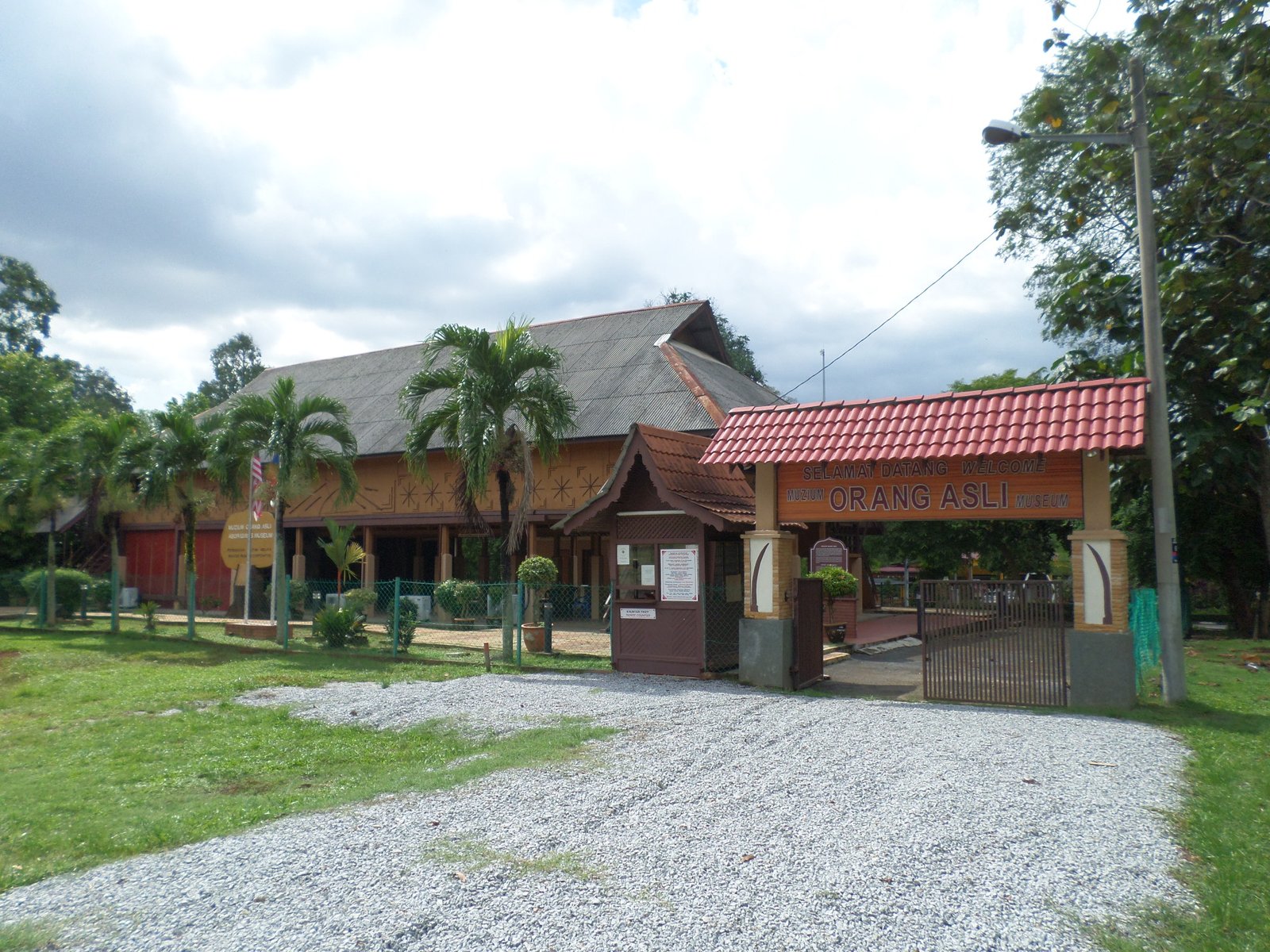
A purpose-built museum dedicated to the material culture, traditions and history of Malaysia’s indigenous peoples, housed in a structure modelled on traditional native architecture.
At a glance
The Aborigines Museum preserves and interprets the heritage of Malaysia’s aboriginal communities through artefacts, domestic practices and ceremonial traditions. The building itself functions as an educational tool, its design echoing the vernacular architecture of indigenous homes across the country.
History
The museum was originally established within Ayer Keroh Recreational Forest before being relocated in December 1996 to its current site along Ayer Keroh Highway. Following the move, management passed to Malacca Museum Corporation. The museum reopened to the public on 3 February 1997.
What you see
The museum building is a replica of a native house, designed to reflect the architectural traditions of Malaysia’s indigenous peoples. The structure itself serves as both shelter and interpretive display, embodying the building practices of the communities whose material culture it houses.
Cultural significance
The museum documents the lived experience of Malaysia’s aboriginal populations through everyday objects and practices. Exhibits encompass fishing methods, agricultural implements, domestic life, weaponry, wedding customs, heritage narratives and funeral ceremonies—revealing the complexity and sophistication of indigenous lifeways.
Key facts
- Country: Malaysia
- Location: Ayer Keroh, Malacca
- Coordinates: 2.27872222, 102.29894444
- Relocated: December 1996
- Reopened: 3 February 1997
- Management: Malacca Museum Corporation
Practical information & getting there
The museum is situated along Ayer Keroh Highway in Malacca’s Ayer Keroh district. As of 2010, it was open daily except Mondays from 9:00 a.m. to 5:00 p.m.; we recommend confirming current hours before your visit.
Sources & resources
Find it on the map
See this place and what’s around it →📷 Become a Cultural Heritage Online photographer
Share your photos of places: they stay published under your name as the author. The more they're seen, the more you get noticed — and soon a contest will reward the most appreciated photos.
Log in or sign up free to add a photoDo you manage this place?
This page is read by travellers and heritage enthusiasts who find it on Google. Keep it accurate — and make it work for you. Free for non-profit heritage institutions.