
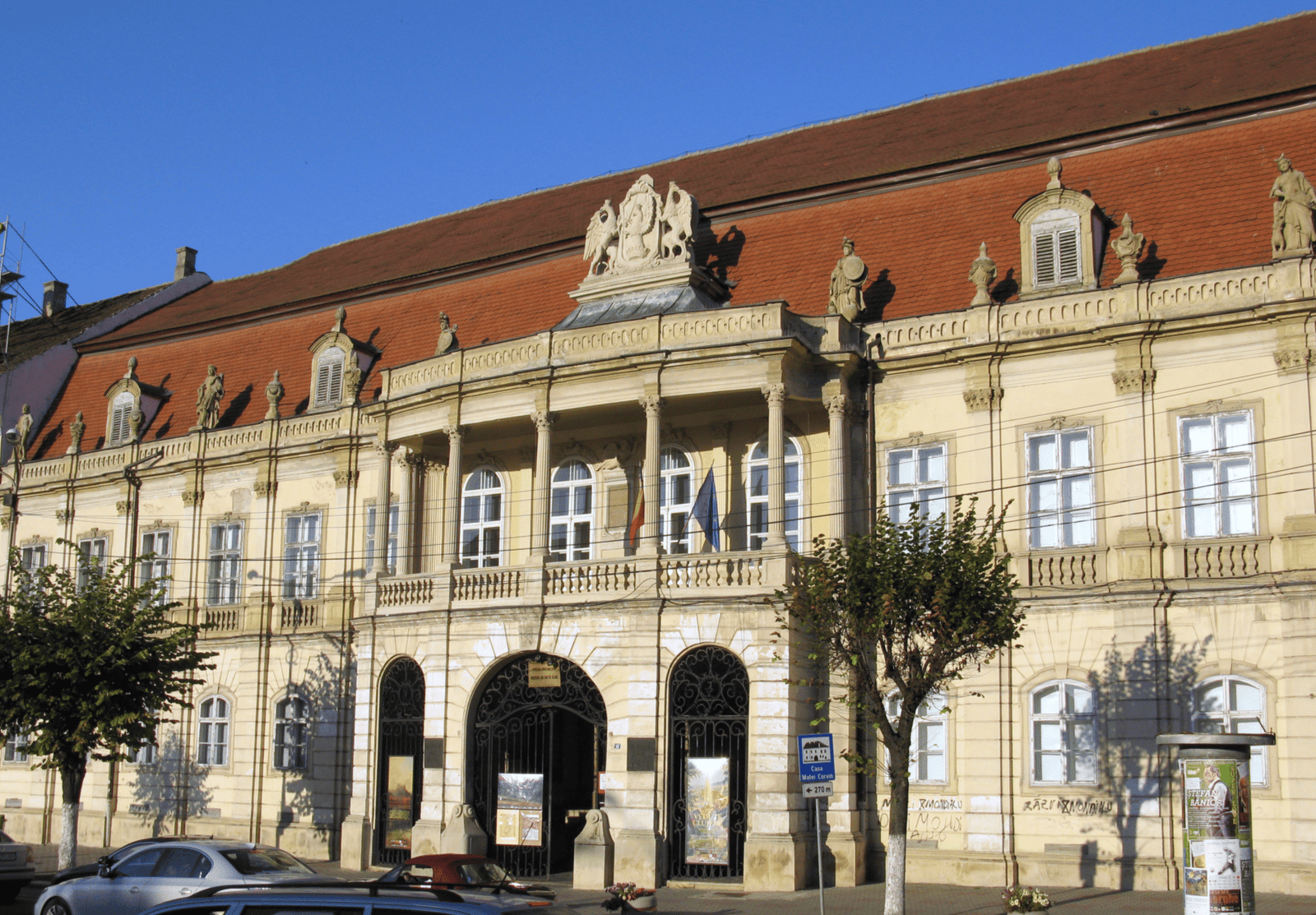
A major repository of Romanian and European art occupies one of Transylvania’s finest Baroque palaces, built in the age of enlightened absolutism.
At a glance
The Art Museum of Cluj-Napoca houses paintings, prints, and decorative objects spanning five centuries—from the fifteenth through the twentieth. Its collection emphasizes Romanian art while including significant European works. The building itself, the Bánffy Palace, ranks among the city’s architectural treasures.
History
The Bánffy Palace was designed by German architect Johann Eberhard Blaumann in the eighteenth century. This period saw Cluj-Napoca emerge as a cultural and administrative center within the Austro-Hungarian Empire. The palace eventually became home to the museum’s extensive art collection, which grew to represent both regional and continental traditions.
What you see
Blaumann’s design exemplifies Baroque grandeur. The palace’s proportions, ornamentation, and spatial arrangement reflect the architectural sophistication of Central Europe’s enlightened courts. Interior spaces display the collection across galleries organized by period and medium, with the building’s original architectural features integral to the viewing experience.
Cultural significance
The museum preserves a vital record of artistic development in Romania and broader European contexts. Its collection documents stylistic evolution across five centuries and provides insight into regional taste, patronage, and aesthetic values. The Bánffy Palace itself testifies to Cluj-Napoca’s importance as a center of power and culture during the Baroque era.
Key facts
- Country: Romania
- City: Cluj-Napoca
- Coordinates: 46.7706, 23.5908
- Building: Bánffy Palace, designed by Johann Eberhard Blaumann
- Collection: Romanian and European art, fifteenth to twentieth centuries
Practical information & getting there
The museum is located in Cluj-Napoca in Transylvania. For current opening hours, admission fees, and access information, consult the museum’s official channels or contact Cluj-Napoca’s tourism office.
Sources & resources
Find it on the map
See this place and what’s around it →📷 Become a Cultural Heritage Online photographer
Share your photos of places: they stay published under your name as the author. The more they're seen, the more you get noticed — and soon a contest will reward the most appreciated photos.
Log in or sign up free to add a photoIs this page about you?
This page is read by travellers and heritage enthusiasts who find it on Google. Tell us how you are connected to this place and we will take it from there.