
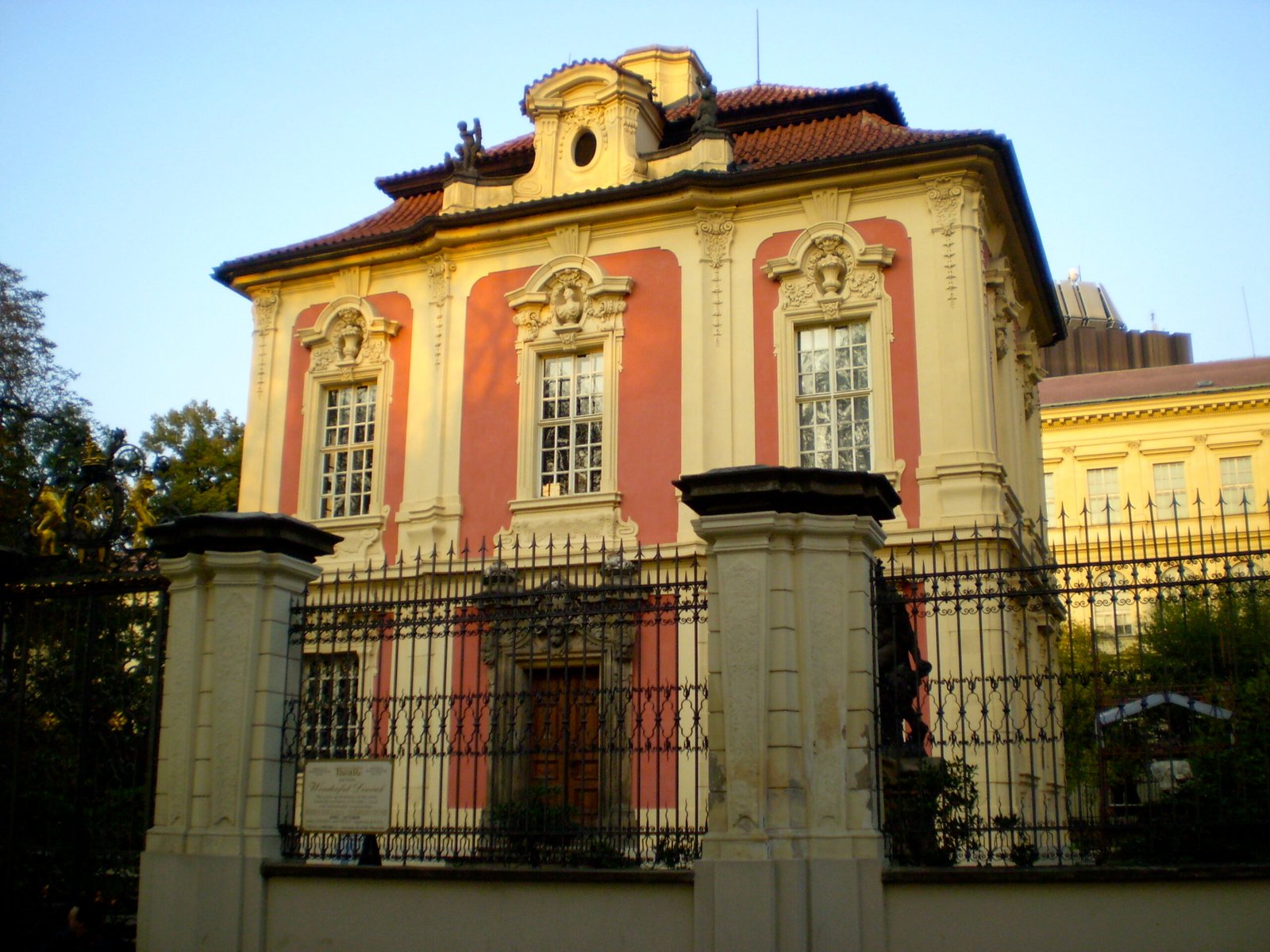
A museum in Prague devoted to the life, work, and legacy of Czechia’s most celebrated composer, Antonín Dvořák.
At a glance
The Antonín Dvořák Museum preserves the memory of one of Europe’s foremost Romantic composers. Housed in Prague, the city where Dvořák spent formative years of his career, the museum traces his artistic development and international recognition.
History
Antonín Dvořák (1841–1904) rose from modest Prague origins to become one of the 19th century’s most performed composers. His symphonies, chamber works, and operas earned him international acclaim and established him as a pivotal figure in the Romantic movement. The museum honors his contributions to classical music and his role in shaping Czech cultural identity.
What you see
The museum is located in Prague, the heart of Dvořák’s creative world. Detailed information about the specific architecture and layout of the building is limited in available sources.
Cultural significance
Dvořák’s influence on Western music remains profound. His works—including the New World Symphony, Slavonic Dances, and numerous chamber compositions—continue to be performed worldwide. The museum stands as a testament to his genius and his importance to Czech national heritage and classical music tradition.
Key facts
- Country: Czechia
- City: Prague
- Coordinates: 50.0735103, 14.4269023
- Subject: Life and works of Antonín Dvořák (1841–1904)
Practical information & getting there
The museum is situated in Prague’s central districts. For current opening hours, admission fees, and detailed directions, consult the museum’s official website or contact Prague tourism services.
Sources & resources
Find it on the map
See this place and what’s around it →📷 Become a Cultural Heritage Online photographer
Share your photos of places: they stay published under your name as the author. The more they're seen, the more you get noticed — and soon a contest will reward the most appreciated photos.
Log in or sign up free to add a photoDo you manage this place?
This page is read by travellers and heritage enthusiasts who find it on Google. Keep it accurate — and make it work for you. Free for non-profit heritage institutions.