
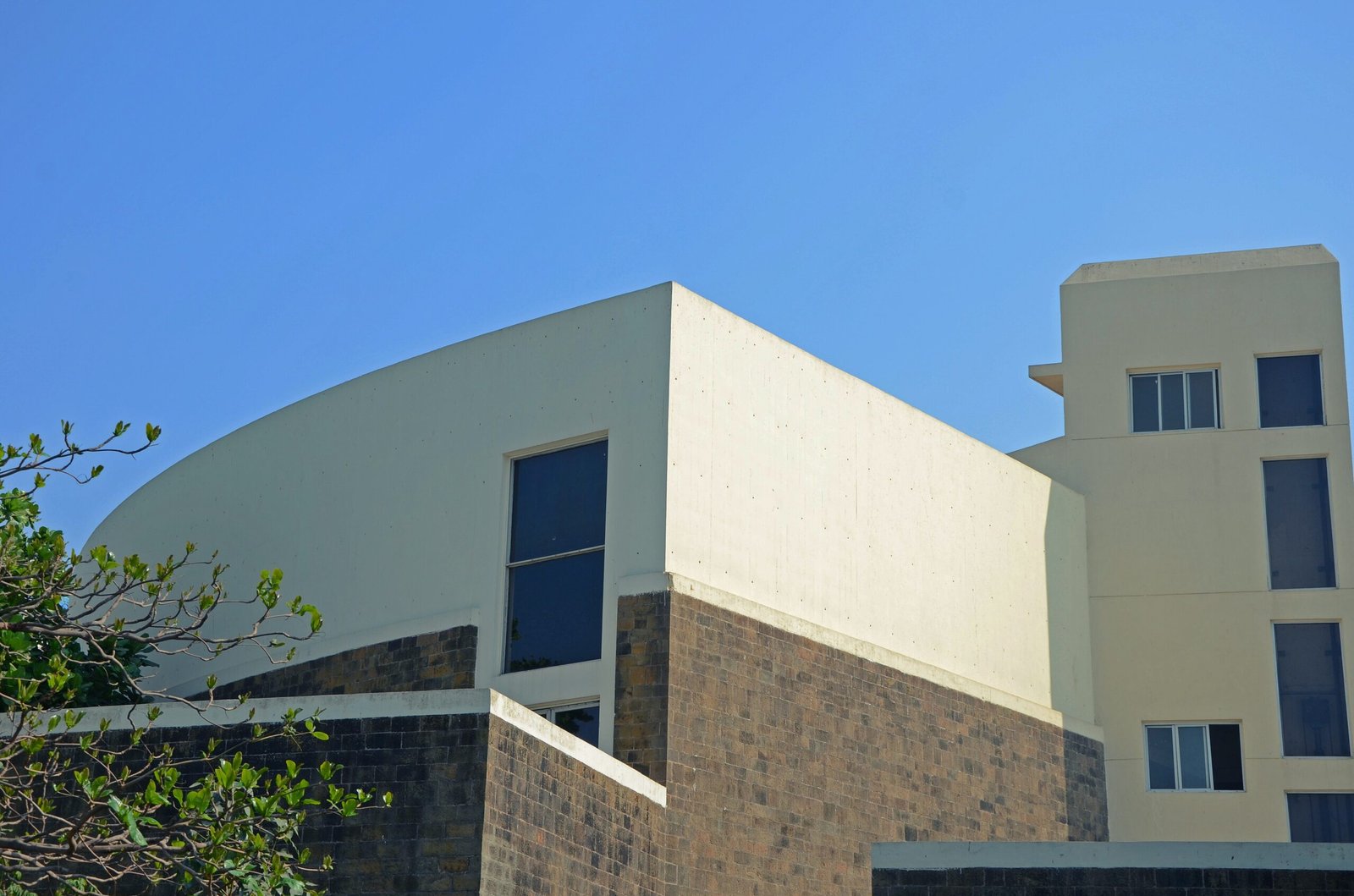
Experimental Theatre
A 300-seat black box theatre at Mumbai’s National Centre for the Performing Arts, designed for flexible staging and contemporary performance.
At a glance
The Experimental Theatre opened in April 1986 as an innovative performance space within the NCPA complex. Its modular design allows rapid reconfiguration of both seating and staging, making it ideal for experimental work and non-traditional theatrical forms.
History
Inaugurated in April 1986, the Experimental Theatre was conceived as a dedicated venue for experimental and avant-garde performance. Its creation reflected the NCPA’s commitment to fostering diverse artistic expression beyond conventional theatrical presentations.
What you see
The theatre operates as a black box—a flexible, unadorned performance space with neutral walls and adaptable infrastructure. Modular seating units and staging components can be arranged and rearranged to suit different production needs, from intimate studio performances to experimental configurations.
Cultural significance
The Experimental Theatre has become a vital platform for Indian artists exploring new forms of theatre, dance, and multimedia work. Its flexible design encourages risk-taking and innovation, supporting independent artists and experimental collectives in Mumbai’s vibrant cultural landscape.
Key facts
- Capacity: 300 seats
- Opened: April 1986
- Location: National Centre for the Performing Arts, Mumbai
- Country: India
- Coordinates: 18.9252°N, 72.8199°E
- Type: Black box theatre with modular seating and staging
Practical information & getting there
The Experimental Theatre is located within the NCPA complex on the waterfront in South Mumbai. Check the NCPA website for current programming, ticket availability, and venue-specific access information. The theatre’s flexible configuration means layout varies by production.
Sources & resources
Find it on the map
See this place and what’s around it →📷 Diventa un fotografo di Cultural Heritage Online
Condividi le tue foto dei luoghi: restano pubblicate con la tua firma come autore. Più vengono viste, più ti fai conoscere — e presto un concorso premierà le foto più apprezzate.
Accedi o registrati gratis per aggiungere una fotoDo you manage this place?
This page is read by travellers and heritage enthusiasts who find it on Google. Keep it accurate — and make it work for you. Free for non-profit heritage institutions.