

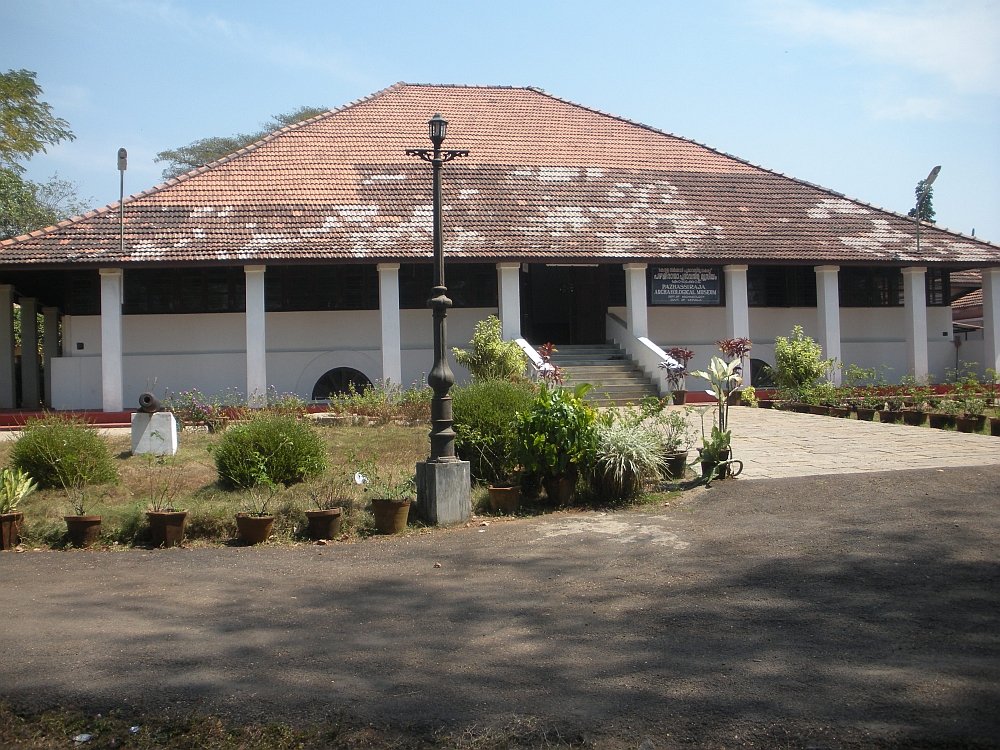
A repository of ancient artifacts spanning a thousand years of Kerala’s material history, from the Iron Age through the early centuries of the Common Era.
At a glance
The Pazhassi Raja Archaeological Museum in Kozhikode holds a significant collection of historical artifacts dating from 1000 BC to 200 AD. The museum functions as both a repository of archaeological finds and an art gallery, serving scholars and visitors interested in Kerala’s ancient past.
History
Detailed historical information about the museum’s founding and development is not available in current sources. The collection itself documents material culture from the early Iron Age through the Roman period in Kerala.
What you see
The museum displays artifacts spanning a millennium of Kerala’s archaeological heritage. Visitors encounter objects and artworks that illuminate daily life, trade, and cultural practices across multiple centuries of the subcontinent’s history.
Cultural significance
The collection bridges an important gap in South Indian history. By preserving objects from 1000 BC through 200 AD, the museum documents a period of significant change—from the Iron Age through the arrival of classical trade networks and early Christian communities in Kerala.
Key facts
- Location: Kozhikode, Kerala, India
- Coordinates: 11.2925°N, 75.7781°E
- Collection period: 1000 BC–200 AD
- Type: Archaeological museum and art gallery
Practical information & getting there
The museum is located in Kozhikode in northern Kerala. For current opening hours, admission fees, and guided tour availability, consult the museum directly or local tourism resources.
Sources & resources
Find it on the map
See this place and what’s around it →📷 Become a Cultural Heritage Online photographer
Share your photos of places: they stay published under your name as the author. The more they're seen, the more you get noticed — and soon a contest will reward the most appreciated photos.
Log in or sign up free to add a photoIs this page about you?
This page is read by travellers and heritage enthusiasts who find it on Google. Tell us how you are connected to this place and we will take it from there.