

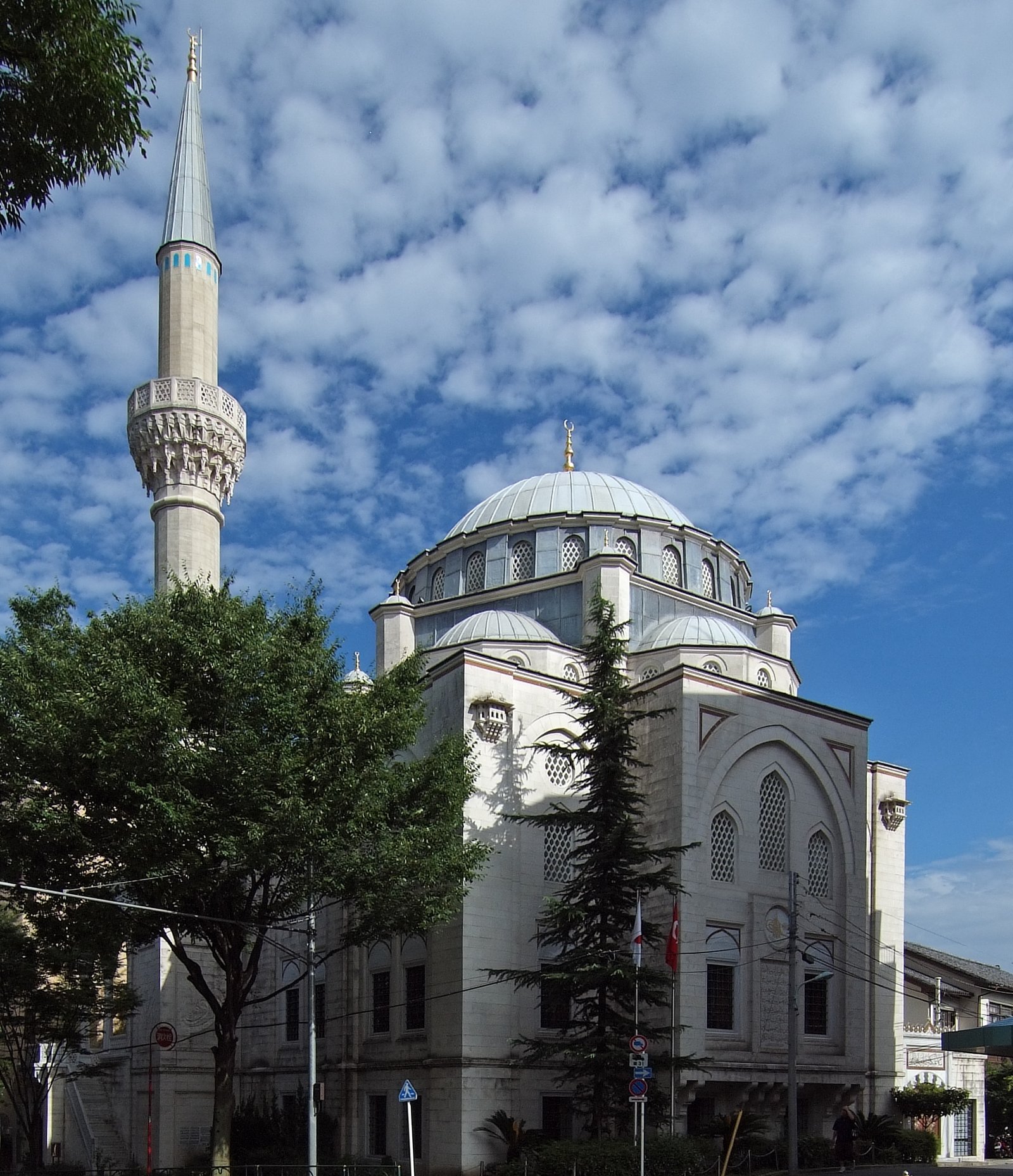
Japan’s largest mosque stands in central Tokyo as a cultural bridge between East and West, its Ottoman-inspired dome and minarets rising above the Shibuya ward.
At a glance
The Tokyo Mosque serves both as a place of worship and a center for Turkish cultural exchange in one of Asia’s most vibrant cities. Its Ottoman architectural vocabulary—domes, arches, and decorative tilework—creates a tranquil enclave amid Tokyo’s urban density. Adjacent facilities support community gatherings and cultural programming.
History
A mosque first occupied this site in 1938, reflecting Tokyo’s small but established Muslim community. The present structure was completed in 2000, replacing the original building with a more substantial facility designed to serve Japan’s growing Muslim population and to foster cultural understanding between Turkey and Japan.
What you see
Architect Hilmi Şenalp designed the mosque in Ottoman style, the classical architectural language of the Ottoman Empire. The building features characteristic domed forms and minarets. Interior spaces balance traditional Islamic design principles with contemporary materials and facilities, while the attached Turkish culture center extends the complex’s cultural mission.
Cultural significance
As Japan’s largest mosque, Tokyo Mosque holds particular importance for the nation’s Muslim communities—both long-established residents and recent arrivals. The accompanying Turkish culture center deepens its role as a diplomatic and educational resource, promoting cross-cultural dialogue in a Japanese capital historically more familiar with Buddhist and Shinto traditions.
Key facts
- Country: Japan
- City: Tokyo
- Completed: 2000
- Architect: Hilmi Şenalp
- Architectural style: Ottoman
- Status: Largest mosque in Japan
- Coordinates: 35.66805556°N, 139.67638889°E
Practical information & getting there
The mosque is located in the Ōyama-chō district of Shibuya ward. For current visiting hours, prayer times, and information about tours or cultural events, consult the official website or contact the facility directly. Modest dress is customary when entering prayer areas.
Sources & resources
Find it on the map
See this place and what’s around it →📷 Become a Cultural Heritage Online photographer
Share your photos of places: they stay published under your name as the author. The more they're seen, the more you get noticed — and soon a contest will reward the most appreciated photos.
Log in or sign up free to add a photoIs this page about you?
This page is read by travellers and heritage enthusiasts who find it on Google. Tell us how you are connected to this place and we will take it from there.