
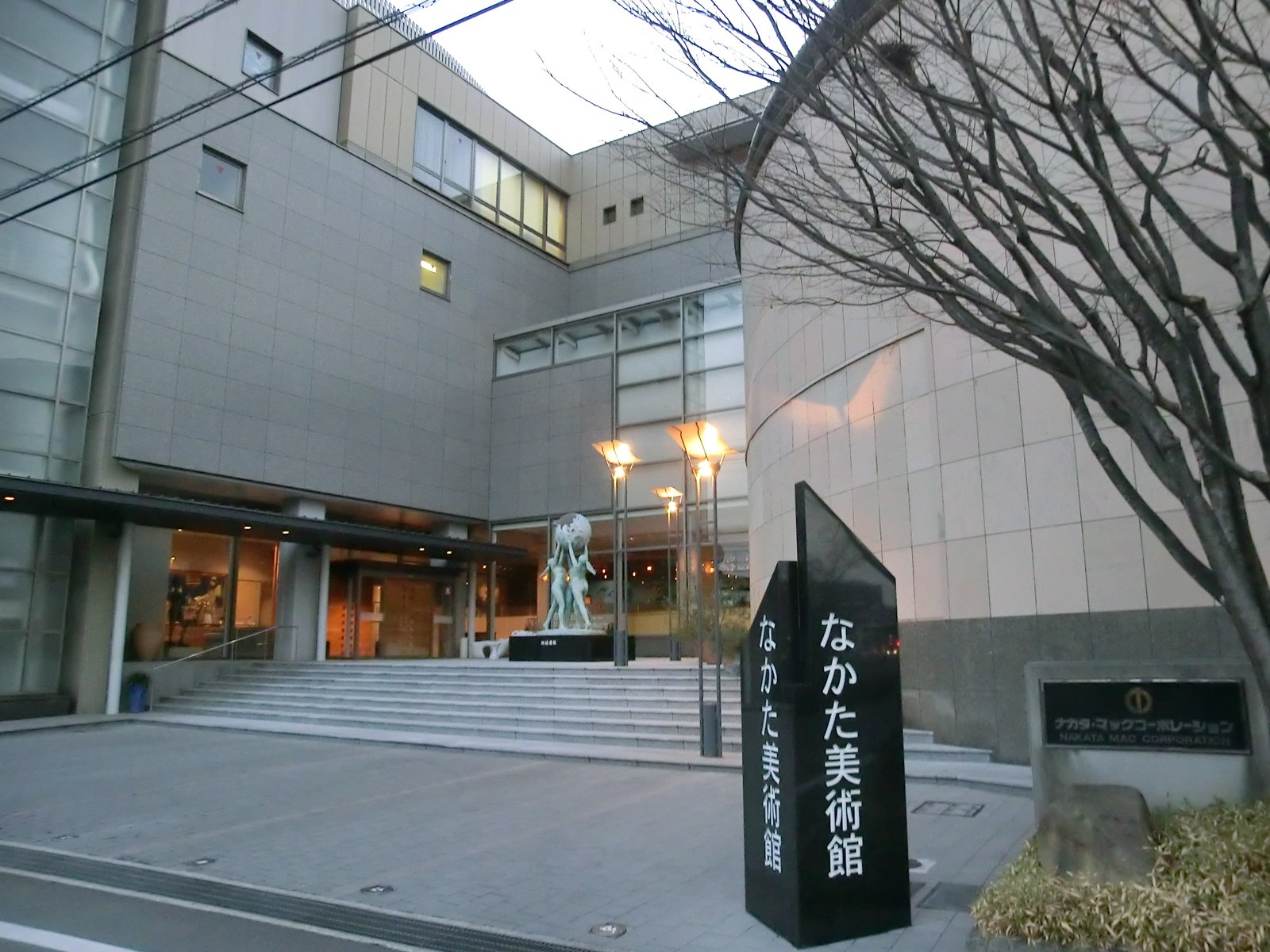
A contemporary art museum in Hiroshima Prefecture housing European masterworks alongside significant Japanese paintings from the twentieth century.
At a glance
Nakata Museum opened in 1997 in Onomichi, a historic port town on Japan’s Inland Sea. The institution presents a carefully curated collection bridging Western and Japanese artistic traditions, with works spanning from nineteenth-century French Impressionism to modern Japanese painting.
History
Established in 1997, the museum reflects Onomichi’s cultural heritage and its position as a center for artistic patronage. The collection’s focus on both European and Japanese modernism demonstrates the cross-cultural exchange that shaped twentieth-century art.
What you see
The museum displays works by Corot, Renoir, and Cézanne alongside paintings by Japanese masters Kobayashi Wasaku and Umehara Ryūzaburō. This juxtaposition reveals shared aesthetic concerns across continents and generations of artists.
Cultural significance
Nakata Museum documents the global circulation of modernism and Japan’s distinctive role in that movement. Its collection emphasizes how Japanese artists absorbed and transformed European innovations while maintaining their own visual language.
Key facts
- Country: Japan
- Location: Onomichi, Hiroshima Prefecture
- Founded: 1997
- Coordinates: 34.409083, 133.186978
Practical information & getting there
Consult the museum’s official channels for current hours, admission fees, and access information. Onomichi is accessible by train and car from major cities in the Hiroshima region.
Sources & resources
Find it on the map
See this place and what’s around it →📷 Become a Cultural Heritage Online photographer
Share your photos of places: they stay published under your name as the author. The more they're seen, the more you get noticed — and soon a contest will reward the most appreciated photos.
Log in or sign up free to add a photoIs this page about you?
This page is read by travellers and heritage enthusiasts who find it on Google. Tell us how you are connected to this place and we will take it from there.