
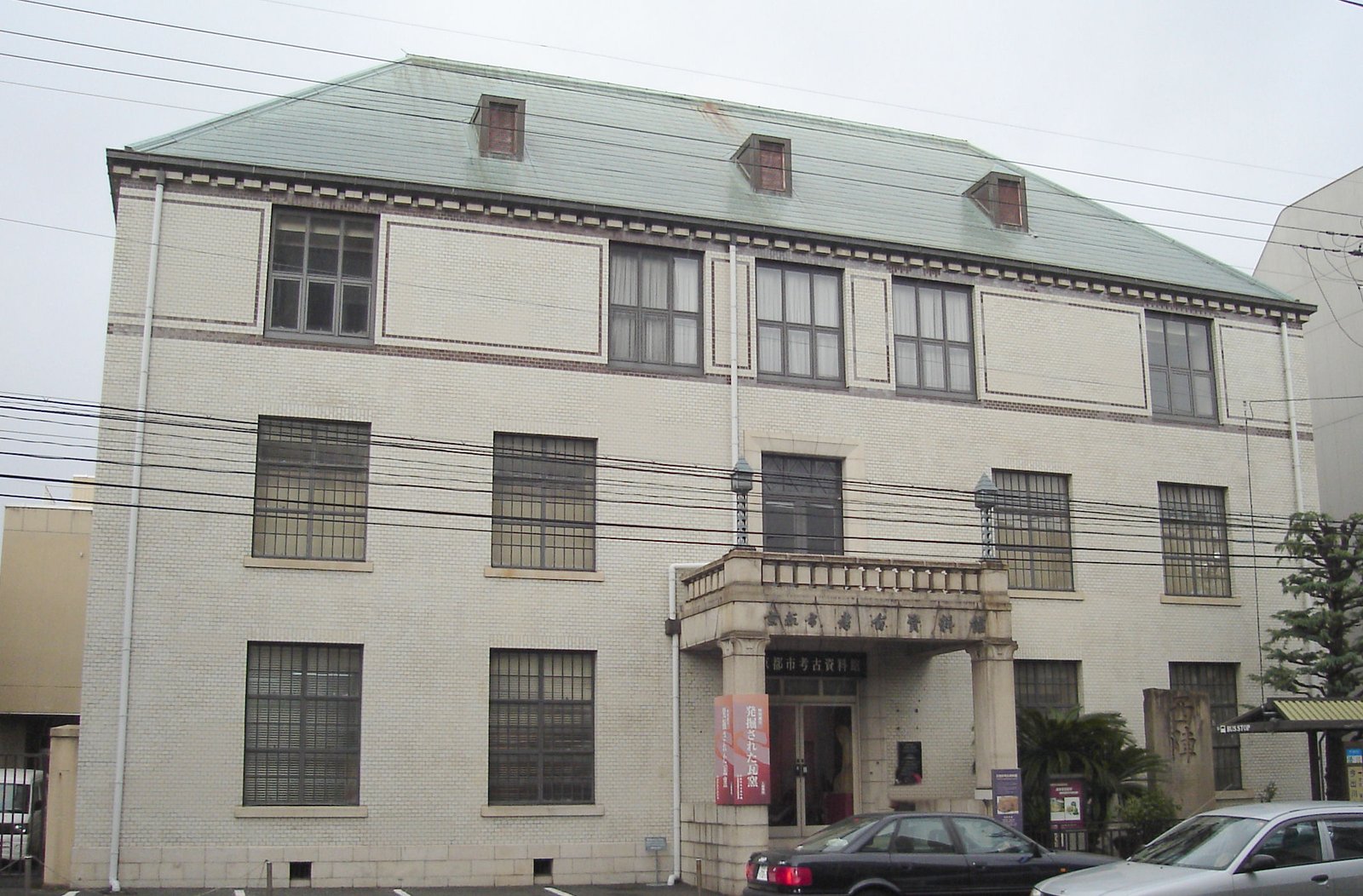
A modest museum built inside a 1914 structure, gathering centuries of finds dug from beneath Kyoto’s streets.
At a glance
The Kyoto City Archaeological Museum occupies a building raised in 1914, though the museum itself opened in 1979. It exists to present the results of excavation work carried out across Kyoto, a city whose modern pavements sit atop more than a thousand years of layered habitation. Among its holdings are replicas of the golden tea utensils once housed in the 16th-century Golden Tea Room, a startling artifact of Momoyama-period extravagance.
History
The building predates the institution it now holds by six decades. Constructed in 1914, it was repurposed in 1979 to serve as a home for Kyoto’s archaeological record. That gap matters. It reflects how the city has long treated older structures as containers for new civic purposes rather than replacing them outright. The museum’s founding coincided with a period of expanded urban excavation in Japan, as construction projects across historic cities increasingly turned up material evidence of earlier eras. Kyoto, having served as imperial capital for over a millennium, offered no shortage of such material.
What you see
Visitors encounter a early 20th-century building whose exterior gives little hint of the archaeological riches inside. Cases of pottery, tools, and building fragments trace the accumulated layers of Kyoto’s past. The most arresting display recreates the golden tea utensils of the Golden Tea Room, a 16th-century assemblage associated with the ostentatious tastes of the era’s ruling class. Gold leaf and lacquer stand in sharp contrast to the plain earthenware shards displayed nearby. The effect is a compressed timeline, moving from everyday domestic objects to the extreme luxury of elite ritual.
Cultural significance
The museum functions as a public record of what lies beneath a city better known for its temples and gardens. Kyoto’s archaeological layers rarely receive the same attention as its surviving wooden architecture, yet they document daily life, craft, and political display across many centuries. The replicated Golden Tea Room utensils, in particular, connect visitors to a documented moment of tea-ceremony culture, when gold became a tool of political statement as much as aesthetics. Short on grandeur, the museum offers something rarer: a direct look at the physical residue of ordinary and extraordinary Kyoto life alike.
Key facts
- Location: Kyoto, Japan
- Building constructed: 1914
- Museum established: 1979
- Notable exhibit: replicas of 16th-century Golden Tea Room utensils
Practical information & getting there
The museum sits within central Kyoto, reachable by the city’s public transport network. Check the official website before visiting, as opening days and hours can vary. Because the collection is compact, a visit pairs easily with other nearby historical sites in the same afternoon.
Sources & resources
Find it on the map
See this place and what’s around it →📷 Become a Cultural Heritage Online photographer
Share your photos of places: they stay published under your name as the author. The more they're seen, the more you get noticed — and soon a contest will reward the most appreciated photos.
Log in or sign up free to add a photoIs this page about you?
This page is read by travellers and heritage enthusiasts who find it on Google. Tell us how you are connected to this place and we will take it from there.