
A healing practice that weaves acupressure, ancient Indian medicine, and guided yoga into a deeply therapeutic art form, performed by skilled practitioners across Thailand.
In UNESCO’s words
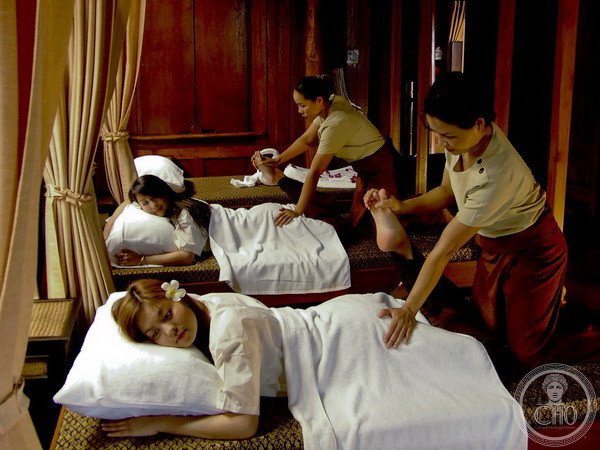
Nuad Thai, traditional Thai massage is regarded as part of the art, science and culture of traditional Thai healthcare. As a non-medicinal remedy and manual therapy, it involves bodily manipulation in which the practitioner helps rebalance the patient’s body, energy and structure to treat illnesses believed to be caused by the obstruction of energy flow along ‘sen’, lines understood to crisscross the human body. This manipulation is intended to normalize the four body elements: earth, water, wind and fire. To open up blocked routes, Nuad Thai therapists perform a combination of manipulations using their hands, elbows, knees and feet, together with herbal hot compresses to reduce inflammation. Presently, Nuad Thai is classified into two main types: Nuad Thai therapy and Nuad Thai for health promotion. Nuad Thai has its roots in self-care in Thai peasant society of the past; every village had massage healers whom villagers would turn to when they had muscle aches from working in the field. Over time, these experiences have evolved into a formal system of knowledge, and Nuad Thai is now an income-generating occupation. In 1985, the Project for the Revitalization of Thai Massage was launched to revitalize and maximize knowledge of Nuad Thai, and an initiative has also been taken to form an alliance of Nuad Thai practitioners who come together annually.
Official description, UNESCO Intangible Cultural Heritage List — Nuad Thai, traditional Thai massage
At a glance
Nuad Thai is a traditional Thai massage practice regarded as part of the art, science and culture of Thai healthcare. As a manual therapy, it involves bodily manipulation to help rebalance a patient's body, energy and structure. Practitioners treat illnesses they understand to result from blocked energy flow along 'sen', lines that crisscross the human body. The practice aims to normalize the four body elements: earth, water, wind and fire.
Origins & history
Nuad Thai has its roots in self-care among Thai peasant communities, where every village had massage healers whom people consulted for muscle aches from physical labor. Over time, these practical experiences evolved into a formal system of knowledge. Today it is recognized as an income-generating occupation. In 1985, the Project for the Revitalization of Thai Massage was launched to revitalize and deepen knowledge of the practice, and practitioners have formed an alliance that meets annually.
The practice
Nuad Thai therapists use a combination of manipulations with their hands, elbows, knees and feet to open blocked energy routes. They also apply herbal hot compresses to reduce inflammation. The practice is now classified into two main types: Nuad Thai therapy and Nuad Thai for health promotion, each serving different therapeutic purposes within the broader tradition.
Cultural significance
Nuad Thai remains central to how Thai communities understand health and wellness. The practice embodies values of preventive care and community support that extend beyond individual treatment. It continues to serve villagers and patients seeking non-medicinal remedy and manual therapy for ailments rooted in energy obstruction.
Key facts
- Country: Thailand
- Inscribed: 2019
- UNESCO list: Representative List of the Intangible Cultural Heritage of Humanity
- UNESCO reference: 01384
- UNESCO vocabulary: Health; Traditional medicine
- Map: not shown — UNESCO’s official description of this element names no locality, and a living tradition is practised across a community, not at one address.
Where to experience it
Nuad Thai thrives in communities throughout Thailand where practitioners—trained through traditional apprenticeships or formalized programs—offer the therapy in massage studios, wellness temples, hospitals, and training schools. Visitors can experience this manual therapy firsthand at these establishments, where skilled therapists use hands, elbows, knees, feet, and herbal compresses to restore energy flow and balance the body's four elements. An annual alliance gathering brings practitioners together to share knowledge and advance the tradition that evolved from village healers treating muscle aches into a recognized healthcare practice.
Sources & resources
- UNESCO — official element page: Nuad Thai, traditional Thai massage
- UNESCO — open data record: Intangible Heritage List, reference 01384
- UNESCO — official video: UNESCO film on this element — embedded on this page
- UNESCO — official photograph: This illustration of sen, or energy lines, is among a set of stone inscriptions for public learning on display at Pho Temple since King Rama III (1787-1851) and still considered the most comprehensive repertoire of knowledge of traditional Thai massage. — Weerapong Kriengsinyos — Thai Holistic Health Foundation, 2017
- Reference — Wikipedia (secondary): Traditional Thai massage — consulted as a secondary reference, not as confirmation
- Cultural Heritage Online: Our archive and city guides

Sources
- S1 — Salguero, C. Pierce. Traditional Thai Medicine: Buddhism, Animism, Ayurveda. Hohm Press, 2007. ISBN 978-1-890772-67-3.
- S2 — Terwiel, B. J. Monks and Magic: An Analysis of Religious Ceremonies in Central Thailand. White Lotus, 1994. ISBN 978-974-8495-97-2.
Spotted an error? Write to editorial@culturalheritageonline.com and we correct it the same day.