
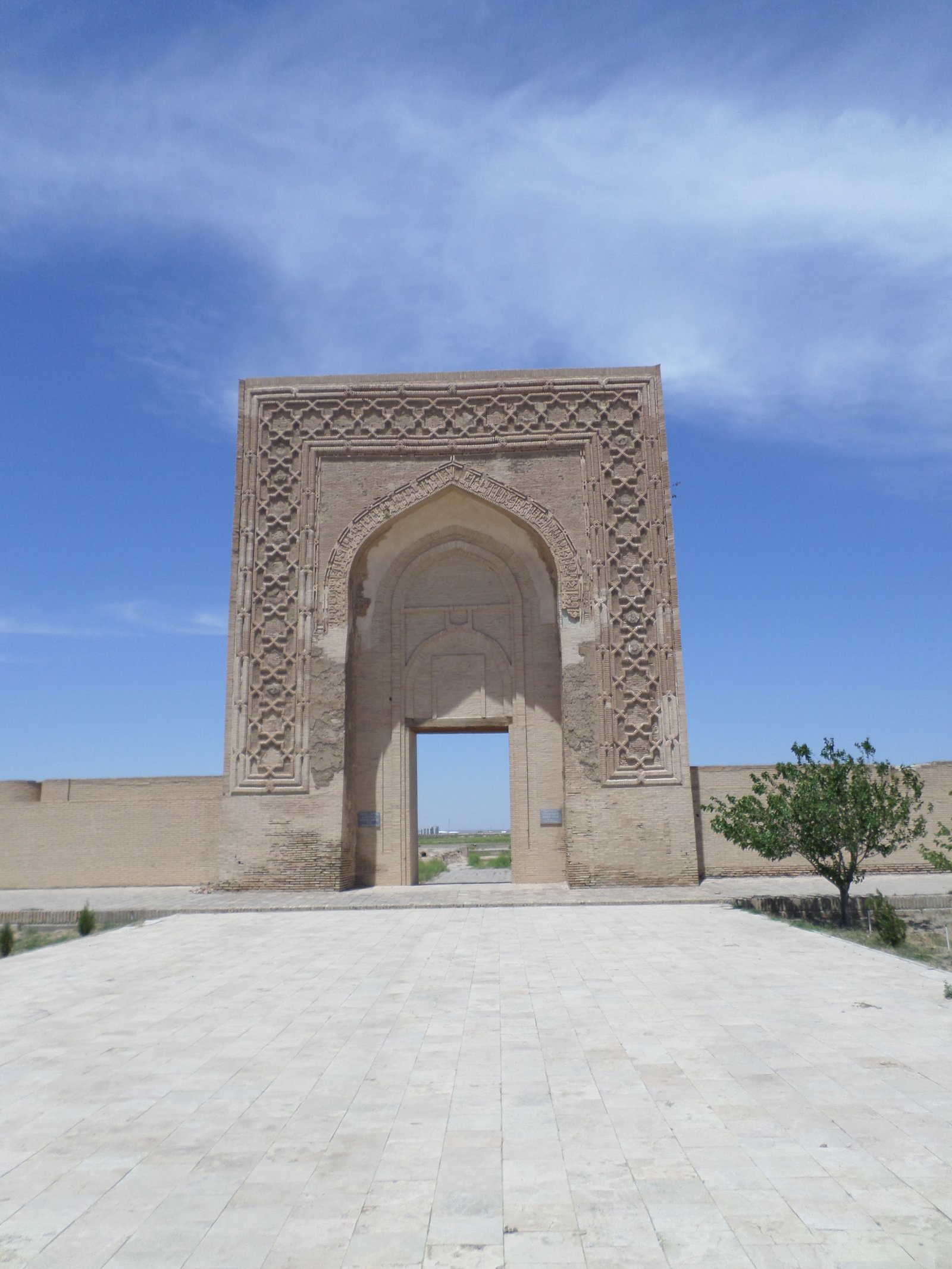
A UNESCO-designated 886-kilometre stretch of the ancient Silk Road network spanning three nations, preserving thirty-one historical sites across Central Asia’s most crucial trade corridor.
At a glance
This UNESCO World Heritage site protects a significant portion of the Silk Road, the network of trade routes that connected East and West for millennia. The corridor stretches across Tajikistan, Turkmenistan and Uzbekistan, encompassing archaeological sites, fortifications, caravanserais and urban centres that document the movement of goods, peoples and ideas across Central Asia.
History
The Silk Road emerged as a vital system for commerce and cultural exchange, with the Zarafshan-Karakum portion serving as a critical pathway connecting the Indus Valley, Persian Empire and Chinese dynasties. For centuries, merchants and travellers traversed these routes, establishing settlements and trading posts that became centres of learning and craft.
What you see
The corridor encompasses thirty-one distinct historical sites representing diverse periods and functions. These include ancient urban settlements, defensive structures, religious monuments and infrastructure specifically designed to support trade—such as caravanserais where merchants rested and exchanged goods. Each site contributes to understanding the region’s role in facilitating transcontinental commerce.
Cultural significance
This corridor represents one of history’s most important networks for cultural transmission. The Silk Road facilitated not only the exchange of silk and spices but also technologies, artistic traditions, languages and belief systems. The Zarafshan-Karakum stretch exemplifies Central Asia’s position as a crossroads of civilizations, where diverse cultures intersected and influenced one another.
Key facts
- UNESCO World Heritage designation: September 17, 2023
- Length: 886 kilometres
- Countries: Tajikistan, Turkmenistan, Uzbekistan
- Number of sites: 31
- Coordinates: 39.441488888889, 69.685558333333
Practical information & getting there
The corridor spans multiple countries, requiring careful planning for travel across borders. Access points vary by individual site; consult local tourism authorities for current conditions, permits and accessibility. The corridor encompasses sites of varying accessibility and preservation states.
Sources & resources
Find it on the map
See this place and what’s around it →📷 Become a Cultural Heritage Online photographer
Share your photos of places: they stay published under your name as the author. The more they're seen, the more you get noticed — and soon a contest will reward the most appreciated photos.
Log in or sign up free to add a photo