
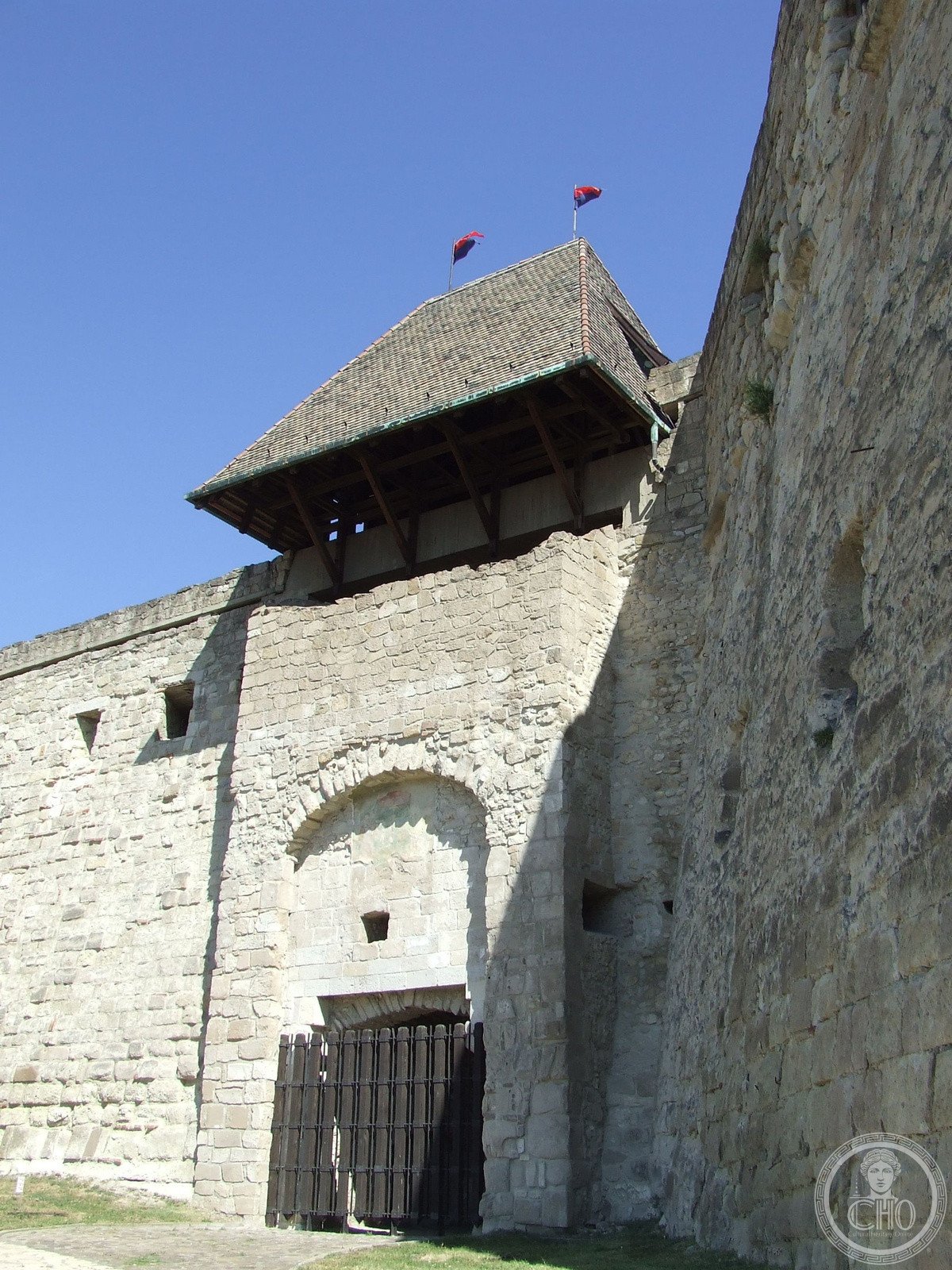
A fortress celebrated for its legendary defence against Ottoman forces, Eger Castle stands as a monument to Hungarian resilience and medieval military architecture.
At a glance
Eger Castle crowns the town of Eger in northern Hungary. Best known for the Siege of 1552, when its defenders repelled a major Turkish attack, the castle remains a potent symbol of Hungarian resistance during the Ottoman Wars.
History
The castle’s defining moment came in 1552, during the Siege of Eger. Ottoman forces launched a powerful assault on the fortress, but Hungarian defenders held firm against the attack. This successful defence became a crucial moment in the region’s struggle against Ottoman expansion, earning Eger Castle an enduring place in Hungarian national memory.
What you see
The castle represents medieval military architecture adapted to withstand cannon fire and siege warfare. Its fortifications and layout reflect the defensive requirements of the 16th-century conflict that made it famous.
Cultural significance
Eger Castle embodies Hungarian determination and martial pride. The 1552 siege, immortalised in literature and popular memory, transformed the castle into a symbol of national identity. The successful defence represented more than military victory—it became a rallying point for Hungarian cultural resilience through subsequent Ottoman occupation.
Key facts
- Location: Eger, Hungary
- Coordinates: 47.9039, 20.3794
- Historical significance: Repelled Ottoman attack during the Siege of Eger (1552)
Practical information & getting there
Eger is accessible by rail and road from Budapest. The castle sits prominently above the town centre. For current opening hours, admission fees, and guided tour availability, consult local tourism resources.
Sources & resources
Find it on the map
See this place and what’s around it →📷 Become a Cultural Heritage Online photographer
Share your photos of places: they stay published under your name as the author. The more they're seen, the more you get noticed — and soon a contest will reward the most appreciated photos.
Log in or sign up free to add a photoDo you manage this place?
This page is read by travellers and heritage enthusiasts who find it on Google. Keep it accurate — and make it work for you. Free for non-profit heritage institutions.