
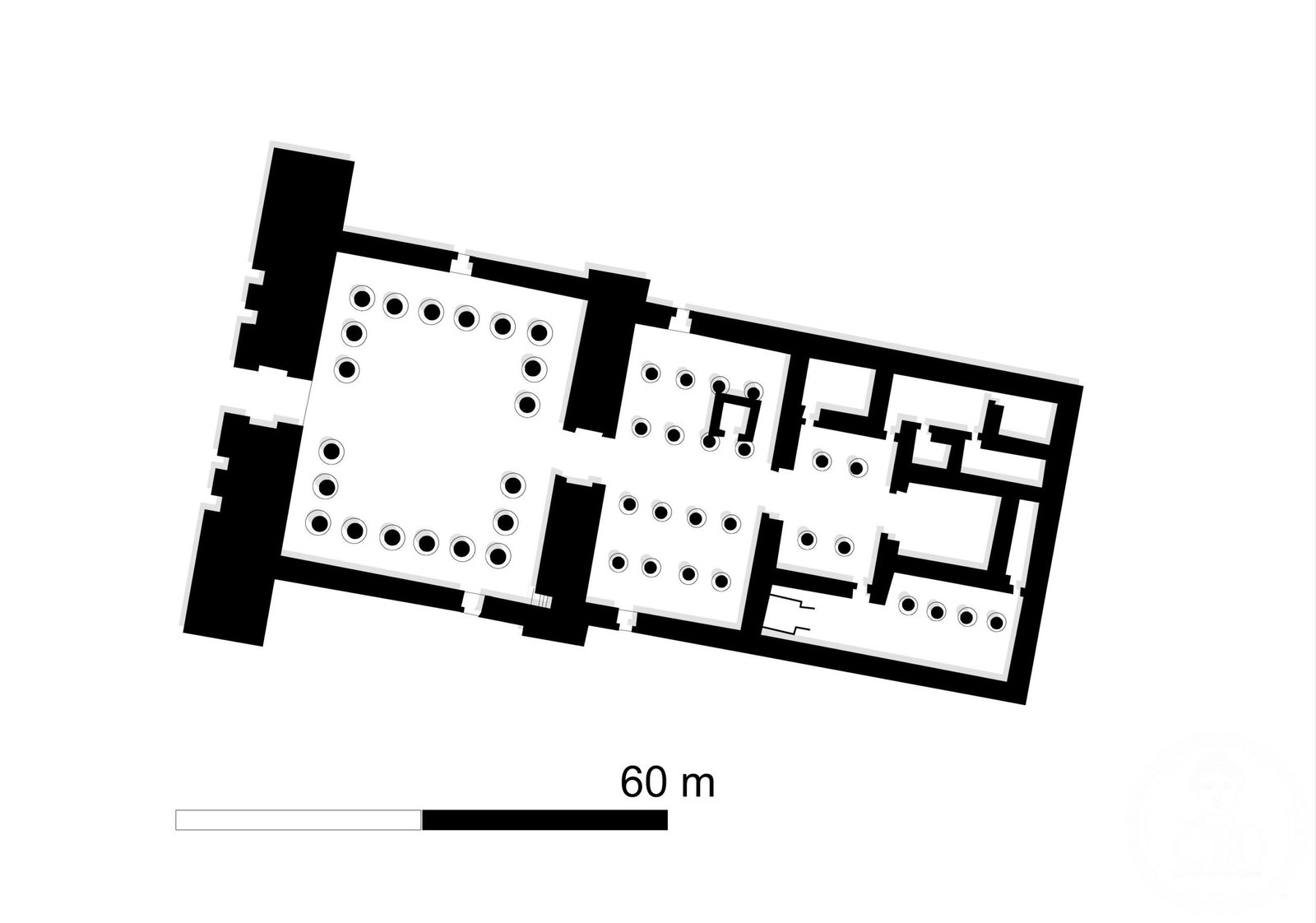
On the banks of the Nile near Merowe, Sanam preserves the archaeological remains of an ancient Kushite town that may have been Napata itself—the empire’s capital during its period of greatest power.
At a glance
Sanam is a modern Sudanese village whose subsoil contains the ruins of a substantial Napatan-period settlement. The site gained prominence through early twentieth-century excavation, which revealed religious, administrative, and domestic structures alongside one of the period’s most significant burial grounds.
History
The ancient town flourished principally during the Napatan Period, when Kushite civilization dominated the Nile valley. Many scholars believe these remains represent Napata itself, the Kushite empire’s capital from approximately 800 to 300 BC. The site lay buried until British Egyptologist Francis Llewellyn Griffith directed systematic excavations between 1912 and 1913, uncovering structures spanning the town’s occupation.
What you see
Griffith’s excavation revealed a temple, originally constructed under King Taharqo with later additions by King Aspelta. Near it stood a building Griffith designated the treasury, though preservation was poor. Most significantly, he exposed a large cemetery—among the few Napatan-period burial grounds of common inhabitants documented through archaeology. The cemetery provides rare insight into everyday life and death among the town’s population.
Cultural significance
Sanam’s cemetery is archaeologically exceptional, offering evidence of Kushite society beyond royal and elite contexts. The site illuminates urban organization and religious practice during Napata’s dominance, a transformative era in Northeast African history when Kushite power rivaled neighboring Egyptian dynasties.
Key facts
- Country: Sudan
- Location: Near Merowe, west bank of the Nile River
- Coordinates: 18.48°N, 31.82°E
- Period: Napatan (c. 800–300 BC)
- Excavations: 1912–1913 by Francis Llewellyn Griffith
Practical information & getting there
Sanam lies adjacent to the modern village of the same name along the Nile. Access is via Merowe, a regional hub in north-central Sudan. Consult current travel advisories and local authorities regarding conditions and accessibility before planning a visit.
Sources & resources
Find it on the map
See this place and what’s around it →📷 Become a Cultural Heritage Online photographer
Share your photos of places: they stay published under your name as the author. The more they're seen, the more you get noticed — and soon a contest will reward the most appreciated photos.
Log in or sign up free to add a photoIs this page about you?
This page is read by travellers and heritage enthusiasts who find it on Google. Tell us how you are connected to this place and we will take it from there.