
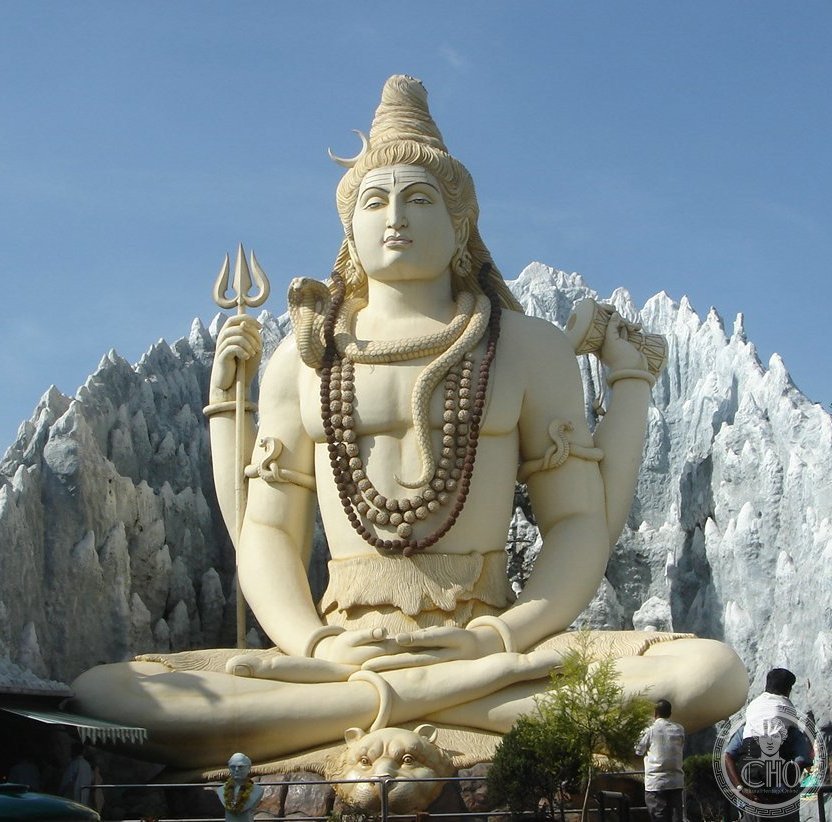
An ancient system of physical, mental, and spiritual practices originating in India, yoga integrates breath, posture, and meditation to cultivate liberation and inner stillness. Once confined to ascetic traditions, it now reaches practitioners across the globe.
At a glance
Yoga encompasses disciplines of body and mind rooted in Hindu, Jain, and Buddhist philosophy. Traditional practice emphasizes meditation and detachment from worldly concerns, though modern adaptations worldwide focus predominantly on physical postures and relaxation techniques.
Origins & history
Yoga may have pre-Vedic origins, though it is first attested in the early first millennium BCE. References appear in the Rigveda and early Upanishads, but systematic yoga concepts emerged during the fifth and sixth centuries BCE within ascetic and Śramaṇa movements, including Jainism and Buddhism.
The Yoga Sutras of Patanjali, the classical Hindu text, dates to the early centuries of the Common Era and synthesizes samkhya philosophy with Buddhist influence. Hatha yoga texts began to emerge between the ninth and eleventh centuries, drawing from Tantric traditions.
Western adoption accelerated after Swami Vivekananda’s late-19th-century adaptation and the establishment of the first American Kriya Yoga centre in Los Angeles in 1925.
The practice
Traditional yoga weaves together asanas (physical postures), pranayama (breath control), meditation, and philosophical study. Practitioners cultivate awareness of the breath and body alignment, moving through sequences designed to quiet the mind and release tension.
Modern Western yoga largely derives from hatha yoga, emphasizing postures and relaxation. Sessions typically flow through standing poses, forward bends, backbends, and inversions, often concluding with guided relaxation or meditation. Instructors use Sanskrit terminology for poses and may incorporate chanting or philosophical teachings.
Cultural significance
Yoga represents a sophisticated philosophical system aimed at moksha—liberation from the cycle of birth and rebirth. It embodies the integration of body, mind, and spirit central to Indian spiritual thought and has influenced countless adherents and lineages across centuries.
In the modern era, yoga has become a global wellness practice, though often in simplified form. Its inscription as Intangible Cultural Heritage recognizes both its philosophical depth and its living presence as a transformative discipline across cultures.
Key facts
- Primary country: India
- Anchor community: Rishikesh, India (30.10662°N, 78.30021°E)
- UNESCO Intangible Cultural Heritage reference: 01163
- First attested: Early first millennium BCE
- Systematic concepts emerged: Fifth–sixth centuries BCE
- Yoga Sutras of Patanjali: Early centuries CE
Where to experience it
Rishikesh, set in the foothills of northern India along the Ganges River, remains the heartland and spiritual centre of yoga practice. The city hosts numerous ashrams, studios, and teacher-training institutions where both traditional and contemporary forms are taught and studied.
Sources & resources
Find it on the map
See this place and what’s around it →📷 Become a Cultural Heritage Online photographer
Share your photos of places: they stay published under your name as the author. The more they're seen, the more you get noticed — and soon a contest will reward the most appreciated photos.
Log in or sign up free to add a photo