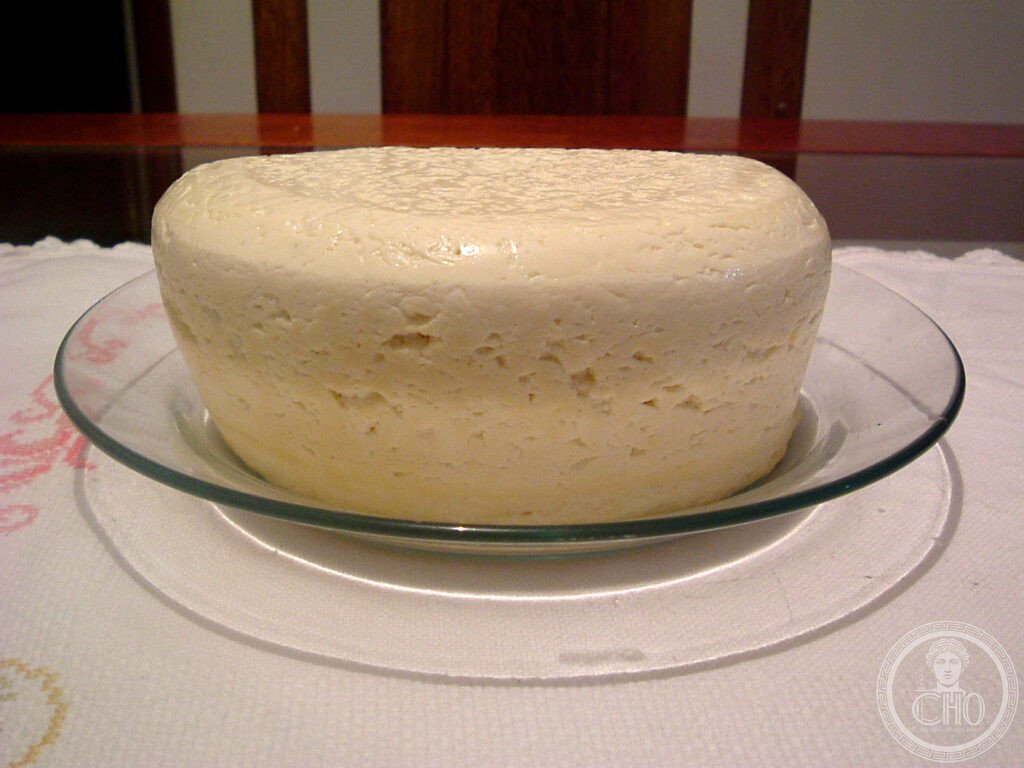
In the highlands of Minas Gerais, cheesemakers transform cow’s milk into a spectrum of textures and flavors—from creamy fresh curds to aged wheels with a bitter bite—using recipes passed down through generations.
In UNESCO’s words
The process of making artisanal Minas cheese involves knowledge and techniques developed by small rural producers in the State of Minas Gerais, in Brazil. Local cheesemakers are proud of the tradition of using raw milk and the ‘pingo’ (drop), a natural yeast composed of region-specific bacteria which, along with the maturation period and the local climate, contributes to the specific flavour, colour and aroma of the cheeses. The related knowledge includes pasture and cattle management, crafting techniques, and the sale of the products in local fairs and markets. Artisanal Minas cheese is associated with hospitality and is commonly consumed with sweets and drinks in meetings and gatherings and on special occasions. Most of the cheesemakers own small rural properties and work in small-scale, family-based systems. Family members and local communities take part in the work when production volumes rise. The knowledge is transmitted orally among family members throughout all stages of the process. Learning takes place through observation and daily interactions with experienced workers in the family. Making and consuming artisanal Minas cheese reinforces the feeling of belonging to a place and community. It also strengthens local economies, improves quality of life, and contributes to socioeconomic inclusion.
Official description, UNESCO Intangible Cultural Heritage List — Traditional ways of making Artisan Minas Cheese in Minas Gerais
At a glance
Artisanal Minas cheese is made by small rural producers in Minas Gerais using raw milk and a natural yeast called 'pingo', composed of region-specific bacteria. The combination of these ingredients, the maturation period, and the local climate give the cheese its distinctive flavour, colour, and aroma. Cheesemakers draw on knowledge of pasture and cattle management, crafting techniques, and the traditions of selling their products in local fairs and markets.
Origins & history
The official description does not detail the historical origins or evolution of this tradition over time.
The practice
Most cheesemakers own small rural properties and work in family-based systems. When production increases, family members and local communities participate in the work. Knowledge passes orally among family members through observation and daily interaction with experienced workers at each stage of production. The cheese is sold in local fairs and markets, and is commonly consumed with sweets and drinks at meetings, gatherings, and special occasions.
Cultural significance
Artisanal Minas cheese is associated with hospitality and strengthens the feeling of belonging to a place and community. Making and consuming the cheese reinforces local economies, improves quality of life, and contributes to socioeconomic inclusion for small producers and their families.
Key facts
- Country: Brazil
- Inscribed: 2024
- UNESCO list: Representative List of the Intangible Cultural Heritage of Humanity
- UNESCO reference: 02102
- UNESCO vocabulary: Food preparation; Technical skills
- Map: Minas Gerais — the locality named in UNESCO’s official description of this element
Where to experience it
Artisanal Minas cheese is made by small rural producers across the State of Minas Gerais, where the tradition remains deeply rooted in family-based cheesemaking. Visitors can encounter the cheese in local fairs and markets throughout the region, where cheesemakers sell their products and share knowledge of their craft. The cheese is commonly served at community gatherings and special occasions, offering a direct way to experience how it connects people to their place and heritage. Family members and local communities participate in production, and knowledge passes through observation and daily interaction—a living tradition visible in the region's rural properties and everyday food culture.
Sources & resources
- UNESCO — official element page: Traditional ways of making Artisan Minas Cheese in Minas Gerais
- UNESCO — open data record: Intangible Heritage List, reference 02102
- UNESCO — official photograph: Artisan Minas Cheese in the maturing process — IEPHA, 2017
- Reference — Wikipedia (secondary): Minas cheese — consulted as a secondary reference, not as confirmation
- Cultural Heritage Online: Our archive and city guides

Find it on the map
See this place and what’s around it →📷 Become a Cultural Heritage Online photographer
Share your photos of places: they stay published under your name as the author. The more they're seen, the more you get noticed — and soon a contest will reward the most appreciated photos.
Log in or sign up free to add a photo