
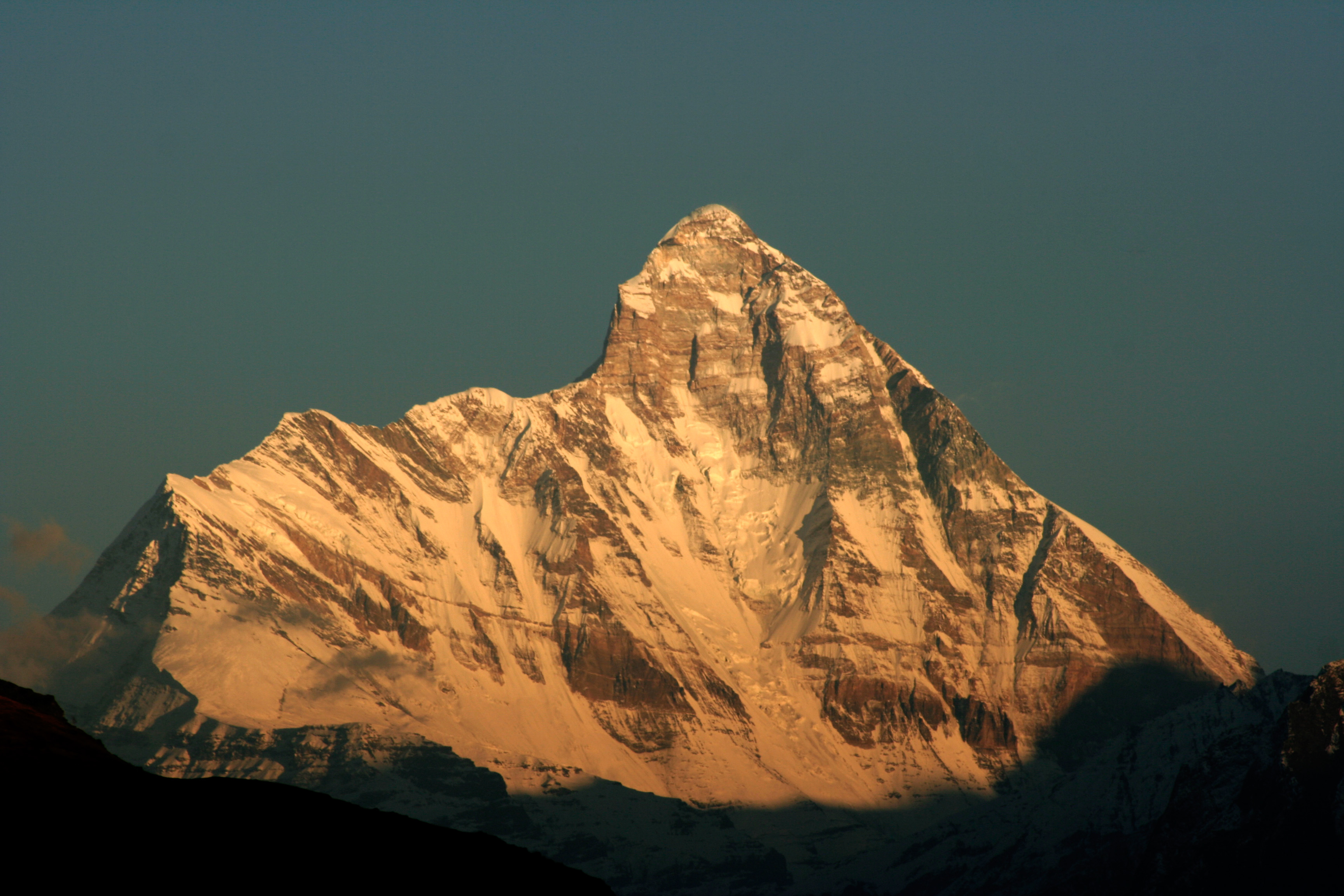
A UNESCO World Heritage site protecting the sacred peak of Nanda Devi and its surrounding alpine sanctuary, one of India’s highest and most remote protected areas.
At a glance
Nanda Devi National Park encompasses the glacial basin of Nanda Devi Sanctuary, ringed by peaks between 6,000 and 7,500 metres. The entire park sits above 3,500 m elevation in the Garhwal Himalayas. It forms the core of a much larger biosphere reserve protecting one of the world’s most pristine alpine ecosystems.
History
The national park was established in 1982 to protect the fragile alpine environment surrounding Nanda Devi, India’s second-highest peak at 7,816 m. UNESCO inscribed it as a World Heritage Site in 1988, recognizing its exceptional ecological value. In 2005, it was expanded and incorporated into the combined Nanda Devi and Valley of Flowers National Parks World Heritage designation.
What you see
The landscape is defined by the Nanda Devi Sanctuary, a glacial basin drained by the Rishi Ganga river through the forbidding Rishi Ganga Gorge—a steep, nearly impassable ravine cutting through the mountain wall. The park’s terrain combines high-altitude meadows, glaciated peaks, and dramatic granite formations typical of the Greater Himalayas.
Cultural significance
Nanda Devi holds spiritual significance in Hindu tradition as a sacred mountain goddess. Ecologically, the park protects rare alpine flora and fauna adapted to extreme high-altitude conditions, including species found nowhere else on Earth. The biosphere reserve represents a globally important conservation model for Himalayan wilderness.
Key facts
- Country: India
- Location: Chamoli district, Uttarakhand
- Coordinates: 30.42°N, 79.85°E
- Established: 1982
- UNESCO World Heritage Site: 1988 (expanded 2005)
- Peak elevation: Nanda Devi 7,816 m
- Park elevation: Minimum 3,500 m above sea level
Practical information & getting there
The park is accessed from the Chamoli district in northern Uttarakhand. The best visiting season is May to October, when alpine weather permits mountain access. The remote location and high altitude require careful planning. Permits and local guides are typically necessary for entry into the sanctuary itself.
Sources & resources
- Nanda Devi National Park — Wikipedia
- Cultural Heritage Online
Find it on the map
See this place and what’s around it →📷 Become a Cultural Heritage Online photographer
Share your photos of places: they stay published under your name as the author. The more they're seen, the more you get noticed — and soon a contest will reward the most appreciated photos.
Log in or sign up free to add a photo