
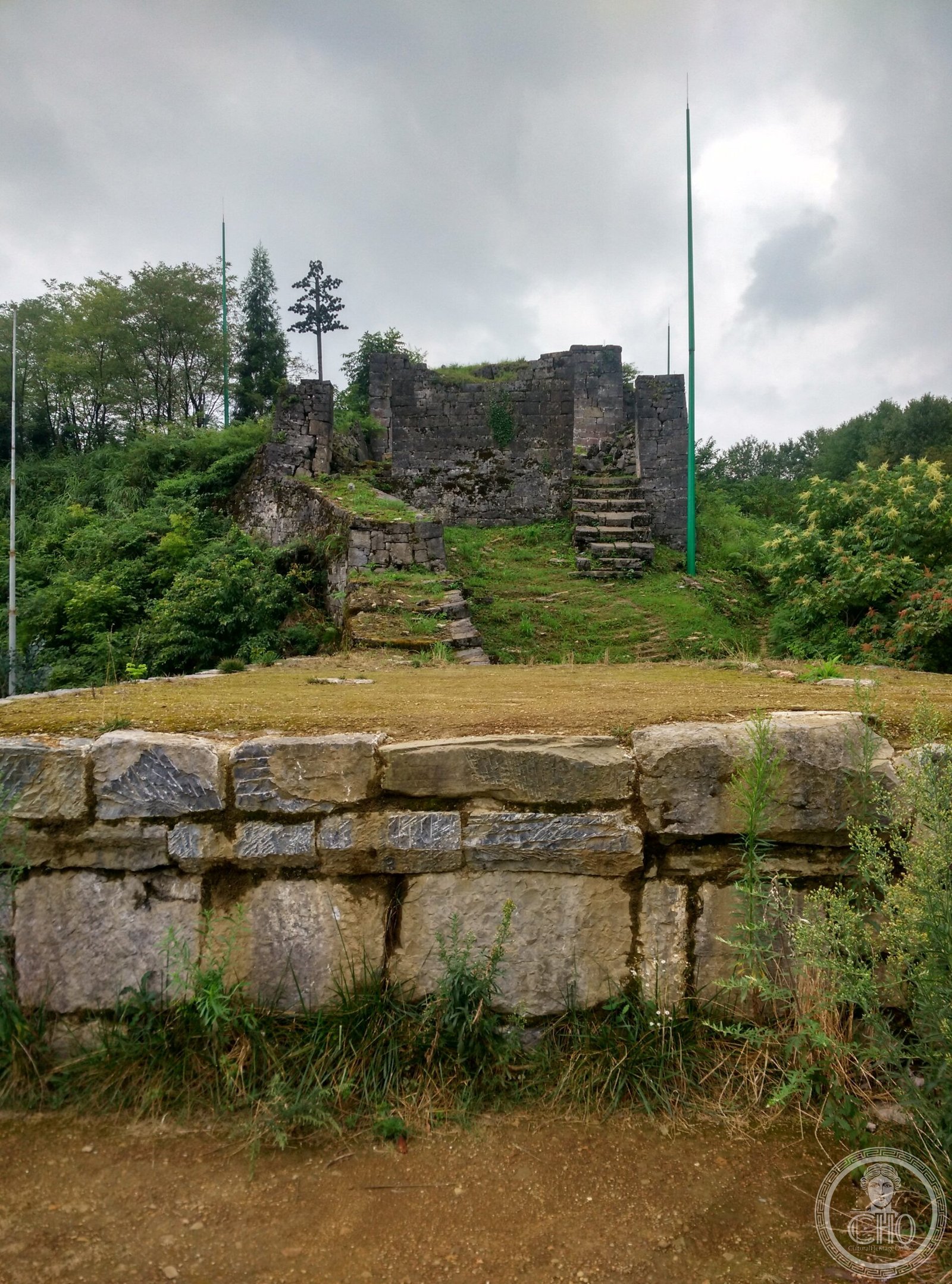
A ruined fortress on Longyan Mountain that served as the stronghold of the Chiefdom of Bozhou, Hailongtun stands as one of China’s best-preserved examples of a true feudal castle and a UNESCO World Heritage Site.
At a glance
Hailongtun, meaning “Sea Dragon Castle,” occupies 1.59 square kilometres on a mountain dramatically surrounded by cliffs. The site comprises six eastern and three western passes connected by nearly 6 kilometres of walls, accessible by a single mountain-road entrance. Its defensive design—archer’s towers at city gates, a deep moat, and strategic passes including the Feihu and Feilong passages—reflects centuries of military significance.
History
Founded in 1257 during the Southern Song dynasty, Hailongtun became the seat of the Yang family’s Chiefdom of Bozhou and remained so through successive dynasties. The fortress endured until 1600, the 28th year of the Wanli reign, when Ming forces crushed the Bozhou rebellion. The last tusi (indigenous chieftain) Yang Yinglong died by suicide as the castle burned.
This military defeat marked the end of an independent feudal domain and transformed Hailongtun into a ruin—yet paradoxically preserved its architectural integrity for posterity.
What you see
The fortress walls climb Longyan Mountain in a design optimized for defense. Archer’s towers flank the city gates; the Feihu Pass guards the mountain approach while the Feilong Pass dominates the eastern slope. Copper and iron column passes anchor the left and right hill bases.
Legend speaks of a broad stone causeway connecting all passes, wide enough for horses to gallop—though no evidence supports the claim. A deep moat once encircled the entire settlement, reinforcing what nature had already provided: cliffs on all sides.
Cultural significance
Hailongtun represents a rare survival: the only well-preserved site of a true feudal castle remaining in China. In 2015, UNESCO recognised it alongside two other Tusi sites as a World Heritage Site, acknowledging the exceptional testimony these fortified chiefdoms offer to a distinctive form of minority autonomous rule within imperial China.
Key facts
- Country: China
- Location: Hailongtun Village, Gaoping Town, Zunyi City, Guizhou Province
- Coordinates: 27.81°N, 106.82°E
- Founded: 1257 (Southern Song dynasty)
- Area: 1.59 square kilometres
- Walls: Nearly 6 kilometres long
- UNESCO World Heritage Site: Designated 3 July 2015 (one of three Tusi sites)
Practical information & getting there
Hailongtun is located in Zunyi City, Guizhou Province. The fortress remains accessible via the original mountain-road entrance. As a UNESCO World Heritage Site, the location welcomes visitors, though you should confirm opening hours and any seasonal closures locally before travelling.
Sources & resources
Find it on the map
See this place and what’s around it →📷 Become a Cultural Heritage Online photographer
Share your photos of places: they stay published under your name as the author. The more they're seen, the more you get noticed — and soon a contest will reward the most appreciated photos.
Log in or sign up free to add a photoIs this page about you?
This page is read by travellers and heritage enthusiasts who find it on Google. Tell us how you are connected to this place and we will take it from there.