
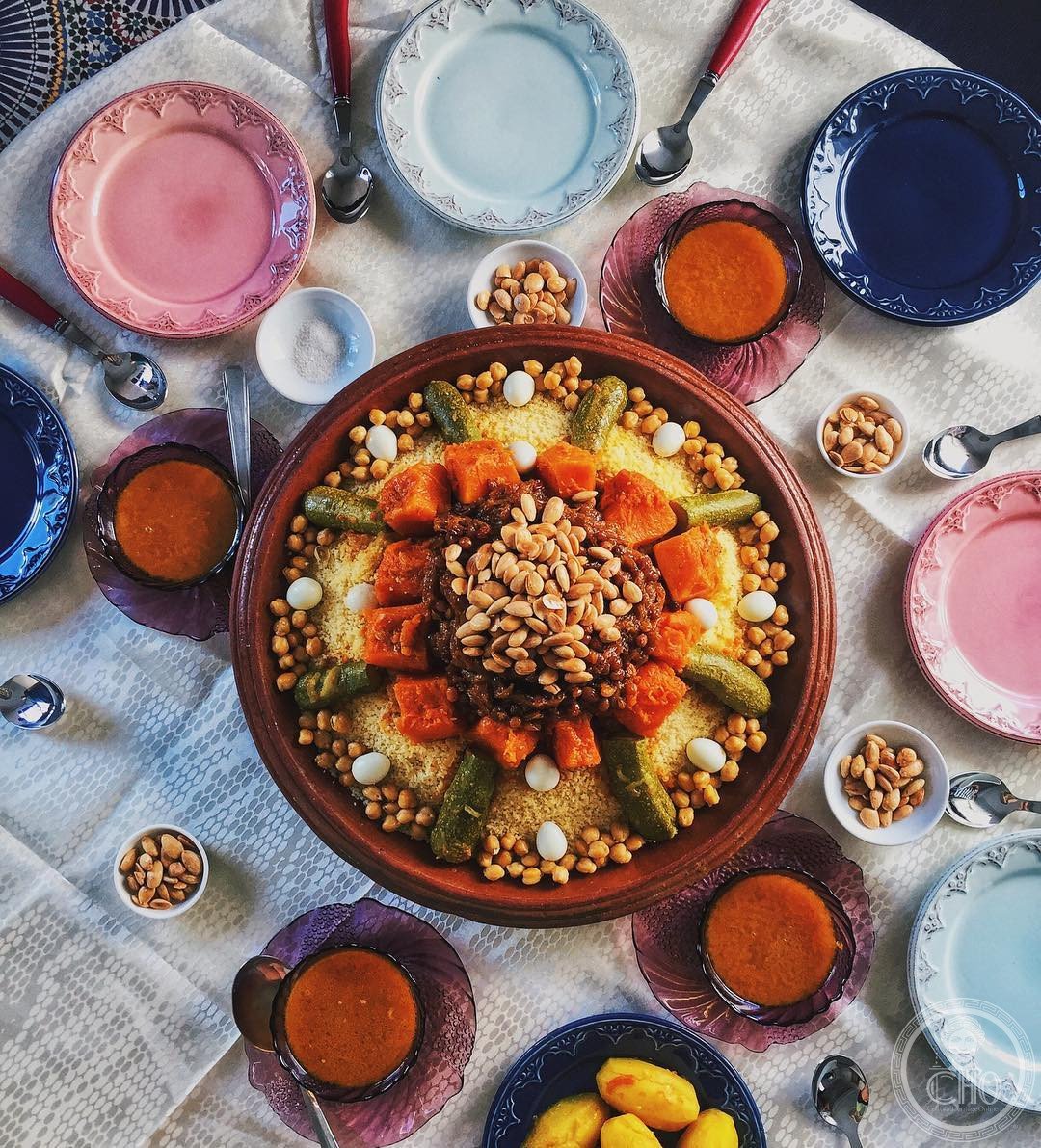
The art of preparing couscous—rolled semolina granules steamed to tender perfection—forms the culinary heart of Marrakech and the entire Maghreb, a tradition now recognized by UNESCO as part of humanity’s intangible heritage.
At a glance
Couscous is a staple North African dish of small steamed granules of rolled semolina, traditionally served with a stew spooned on top. In Marrakech and across Morocco, the preparation and sharing of couscous embodies far more than a recipe—it represents centuries of culinary knowledge, family ritual, and cultural identity passed from generation to generation.
Origins and history
Couscous is woven into the fabric of Maghrebi cuisines throughout Algeria, Tunisia, Mauritania, Morocco, and Libya. The dish entered European consciousness during the early twentieth century, when French colonialism and the Pieds-Noirs of Algeria introduced it to French and broader European tables. Yet in Marrakech and Morocco, couscous remains fundamentally rooted in local tradition, where its preparation is inseparable from cultural practice and communal life.
The tradition today
Today, couscous preparation in Marrakech continues to rely on time-honored techniques of rolling semolina by hand and steaming it to achieve the characteristic light, fluffy texture. Families and cooks guard their methods and seasoning secrets closely. While pearl millet, sorghum, and bulgur are sometimes prepared in similar ways elsewhere in West Africa, couscous in Morocco remains distinctly tied to semolina and to the communal and festive occasions around which it is served. The knowledge of how to prepare, season, and present couscous remains a living craft.
Cultural significance
In Marrakech and throughout Morocco, couscous is far more than sustenance. It is a medium of hospitality, a centerpiece of Friday meals and celebrations, and a symbol of cultural continuity. The practice connects eaters to ancestors, to seasonal rhythms, and to the broader Maghrebi identity. UNESCO’s 2020 recognition of couscous knowledge, know-how, and practices affirmed what Moroccans have long understood: that this dish carries the weight of cultural memory and community bonds.
Key facts
- Country: Morocco
- Anchor community: Marrakech
- Main ingredient: Rolled semolina granules, steamed
- UNESCO Intangible Cultural Heritage: Added to the Representative List in 2020 as “Knowledge, know-how and practices pertaining to couscous”
- Regional significance: Staple food across Algeria, Tunisia, Mauritania, Morocco, and Libya
Where to experience it
In Marrakech, you can taste couscous in family homes, neighborhood restaurants, and during public celebrations and markets. Friday is traditionally when couscous appears on tables throughout the city. Many riads and local eateries serve it according to time-honored recipes, and visiting during festivals or market days offers chances to see the preparation firsthand.
Sources & resources
- Couscous — Wikipedia
- Cultural Heritage Online
Find it on the map
See this place and what’s around it →📷 Become a Cultural Heritage Online photographer
Share your photos of places: they stay published under your name as the author. The more they're seen, the more you get noticed — and soon a contest will reward the most appreciated photos.
Log in or sign up free to add a photo