
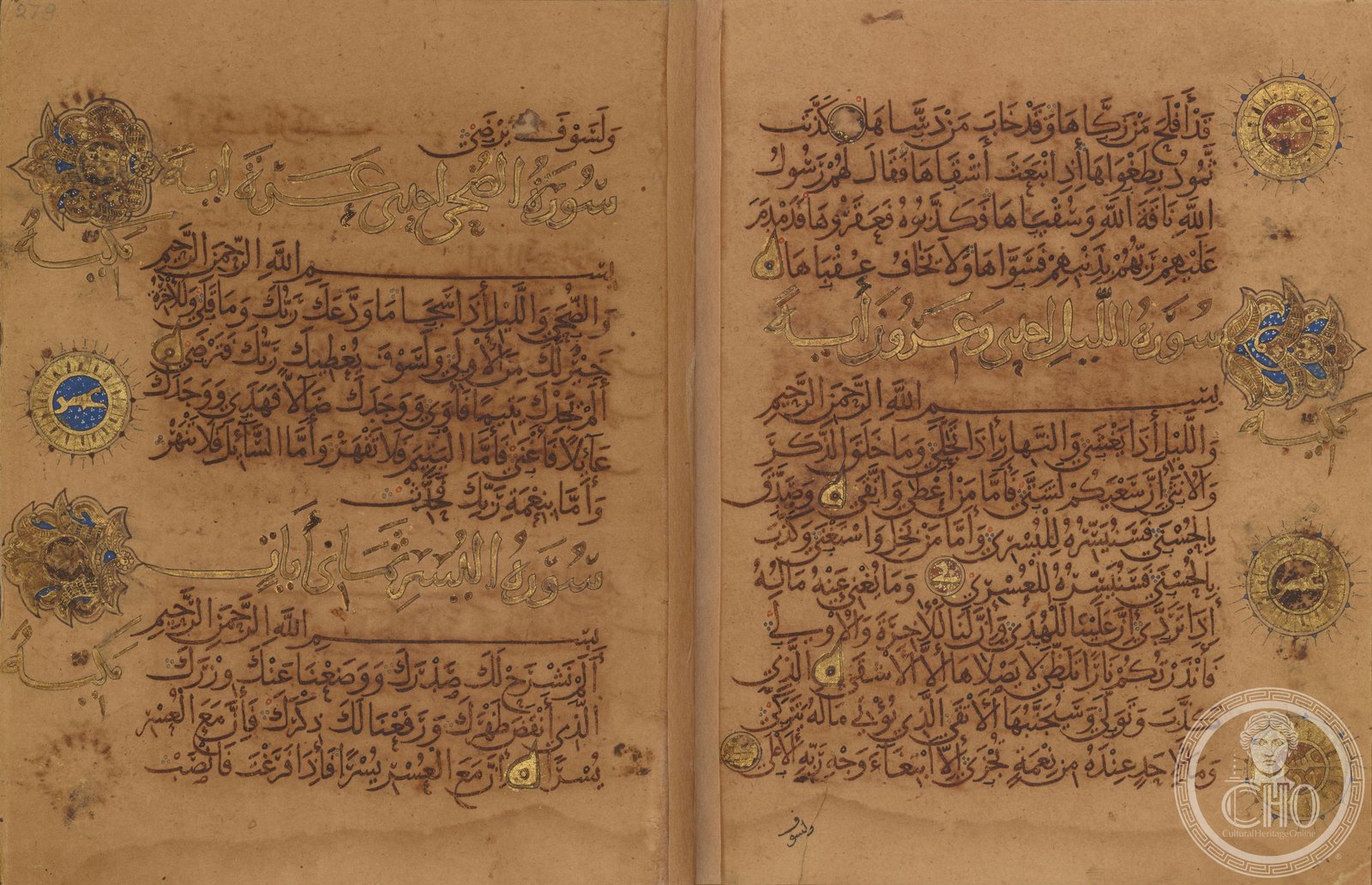
In Fez, the ancient art of handwritten Arabic script—known as khatt—remains a living practice rooted in centuries of Islamic scholarship and craftsmanship. Master calligraphers preserve knowledge passed through generations, connecting the written word to religion, art, and architecture.
At a glance
Arabic calligraphy is the artistic practice of handwriting and lettering based on the Arabic alphabet. The term khatt derives from words meaning ‘line’, ‘design’, or ‘construction’. Kufic is the oldest known form of Arabic script. Appreciated across Islamic cultures for its diversity and potential for creative development, calligraphy links the written word to religion, art, architecture, education, and skilled craftsmanship.
Origins and history
Arabic calligraphy emerged with the development of the Arabic alphabet itself. Kufic, the oldest form of Arabic script, established foundational principles of proportion and line that calligraphers continue to study today. Over centuries, the practice evolved across Islamic societies, adapting to regional traditions while maintaining core aesthetic and technical standards. In Fez, centers of learning and manuscript production made the city a hub for calligraphic study and mastery.
The tradition today
Contemporary calligraphers in Fez work with traditional tools and materials—reed pens, ink, and paper—to create manuscripts, signage, and decorative texts. Although most Arabic calligraphy is Islamic in context and most Islamic calligraphy appears in Arabic, the practice extends beyond a single religion: Coptic and other Christian communities have employed Arabic calligraphy in their own manuscripts. Similarly, Islamic calligraphy flourishes in Persian and Ottoman Turkish. In Fez, practitioners teach apprentices through direct transmission, ensuring techniques and aesthetic principles remain rooted in lived experience.
Cultural significance
Calligraphy stands at the intersection of craft, spirituality, and visual art in Moroccan and broader Islamic culture. The practice demands patience, discipline, and years of study. By elevating the written word to an art form, calligraphers honor language itself—transforming everyday communication into meditation and beauty. Recognition on UNESCO’s Representative List affirms Arabic calligraphy as a practice vital to cultural continuity and human creativity.
Key facts
- Country: Morocco
- Anchor community: Fez
- UNESCO Intangible Cultural Heritage (Representative List): Arabic calligraphy: knowledge, skills and practices
- Arabic term: khatt (خَطّ)
- Oldest form: Kufic script
- Traditional tools: reed pens, ink, paper
- Transmission: Master-to-apprentice teaching
Where to experience it
In Fez, you can observe and study Arabic calligraphy in traditional medersas (Islamic schools), manuscript libraries, and workshops run by practicing calligraphers. The Qarawiyyin Library and other heritage institutions in the medina display historic manuscripts. Seek out calligraphers working in the old city who offer demonstrations and instruction to visitors.
Sources & resources
Find it on the map
See this place and what’s around it →📷 Become a Cultural Heritage Online photographer
Share your photos of places: they stay published under your name as the author. The more they're seen, the more you get noticed — and soon a contest will reward the most appreciated photos.
Log in or sign up free to add a photo