
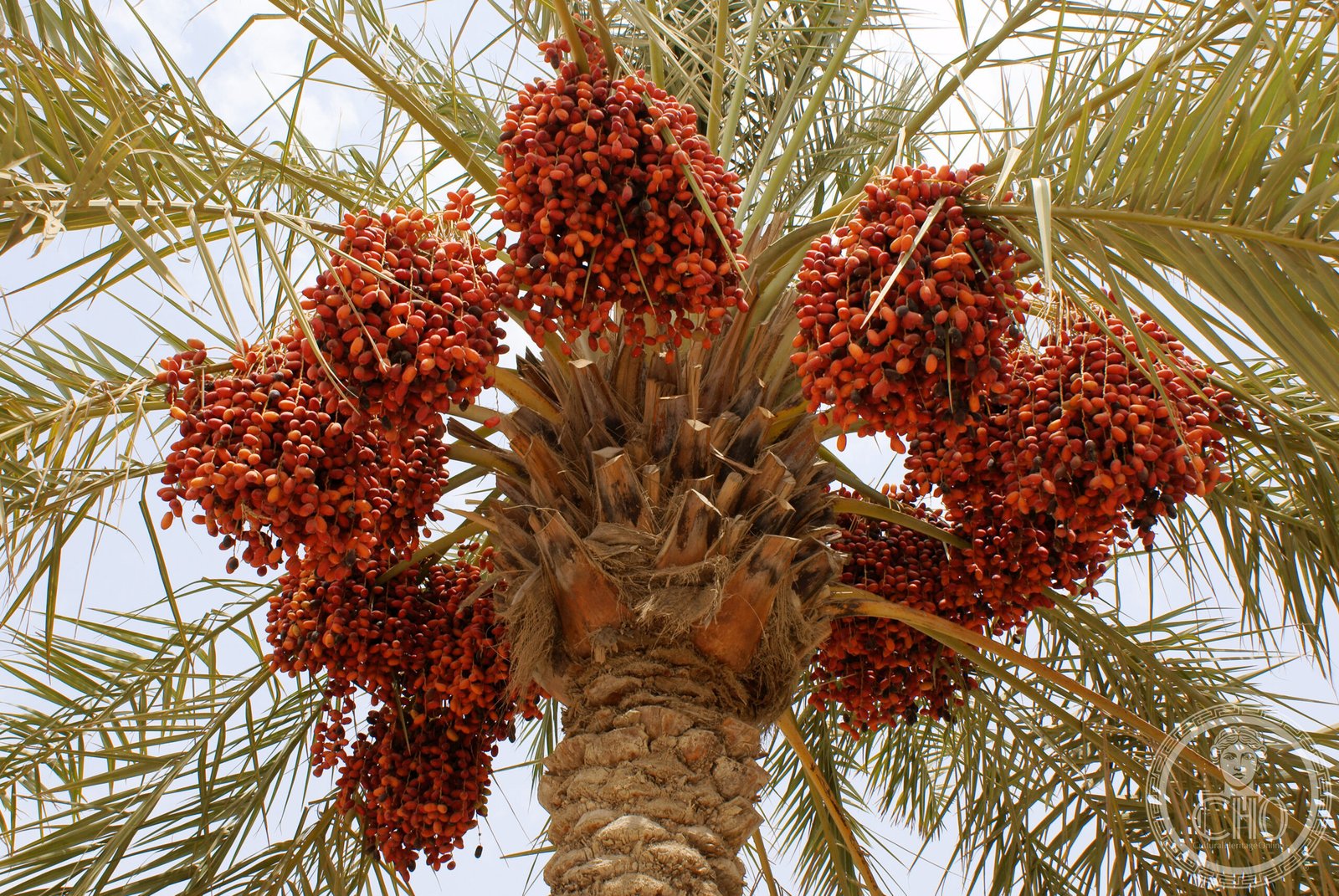
In the oases of southeastern Morocco, generations of farmers tend date palms with techniques refined over millennia. The date palm remains central to life in Erfoud, where knowledge of cultivation, harvesting, and use passes from hand to hand.
At a glance
Phoenix dactylifera, the date palm, supplies not only sustenance but cultural identity to communities across Morocco’s desert regions. In Erfoud, the practice encompasses agricultural knowledge, craft traditions, and social customs tied to this iconic tree. The UNESCO inscription recognizes date palm cultivation as an intangible cultural heritage element—a living system of skills and meaning.
Origins and history
Archaeological evidence suggests date cultivation in Arabia since the 6th millennium BCE. The date palm is emblematic of oasis agriculture and carries deep symbolic weight in Christian and Jewish religions. In North Africa, including Morocco, date production became inseparable from settlement, survival, and trade. The palms themselves grow slowly but can live over 100 years when properly maintained, anchoring communities across generations.
The tradition today
Erfoud sits in Morocco’s Tafilalet oasis region, historically one of the world’s major date-growing centers. Farmers cultivate date palms using methods passed down through families—knowledge of soil, water, pollination, and harvest timing. The palms reach up to 30 metres in height and produce oval fruits, 3 to 7 centimetres long, ranging in color from dark brown to bright red or yellow.
Dates containing 63–64% sugar when dried are consumed fresh, dried, or incorporated into local dishes and confections. The knowledge surrounding their cultivation, preservation, and use—from selecting rootstock to timing the harvest—remains central to daily life and economic activity in Erfoud.
Cultural significance
The date palm anchors Erfoud’s identity. Beyond nutrition, the tradition embodies ecological adaptation to desert life, social organization around the agricultural calendar, and cultural memory. The UNESCO recognition honors not merely a crop but a complete system of knowledge, ritual, and community practice that defines what it means to live in Morocco’s oases.
Key facts
- Country: Morocco
- Anchor community: Erfoud, Tafilalet oasis region
- UNESCO Intangible Cultural Heritage: Date palm knowledge, skills, traditions and practices (Representative List)
- Tree lifespan: Over 100 years when properly maintained
- Fruit characteristics: Oval, 3–7 cm long, sugar content 63–64% when dried
Where to experience it
Visit Erfoud during date harvest season (autumn) to observe cultivation practices and local markets. The town hosts the annual Date Festival, celebrating the harvest with exhibitions of varieties, crafts, and culinary traditions. Local guides can arrange visits to family-operated palm groves where you may learn traditional techniques and taste dates at different stages of ripeness.
Sources & resources
Find it on the map
See this place and what’s around it →📷 Become a Cultural Heritage Online photographer
Share your photos of places: they stay published under your name as the author. The more they're seen, the more you get noticed — and soon a contest will reward the most appreciated photos.
Log in or sign up free to add a photo