
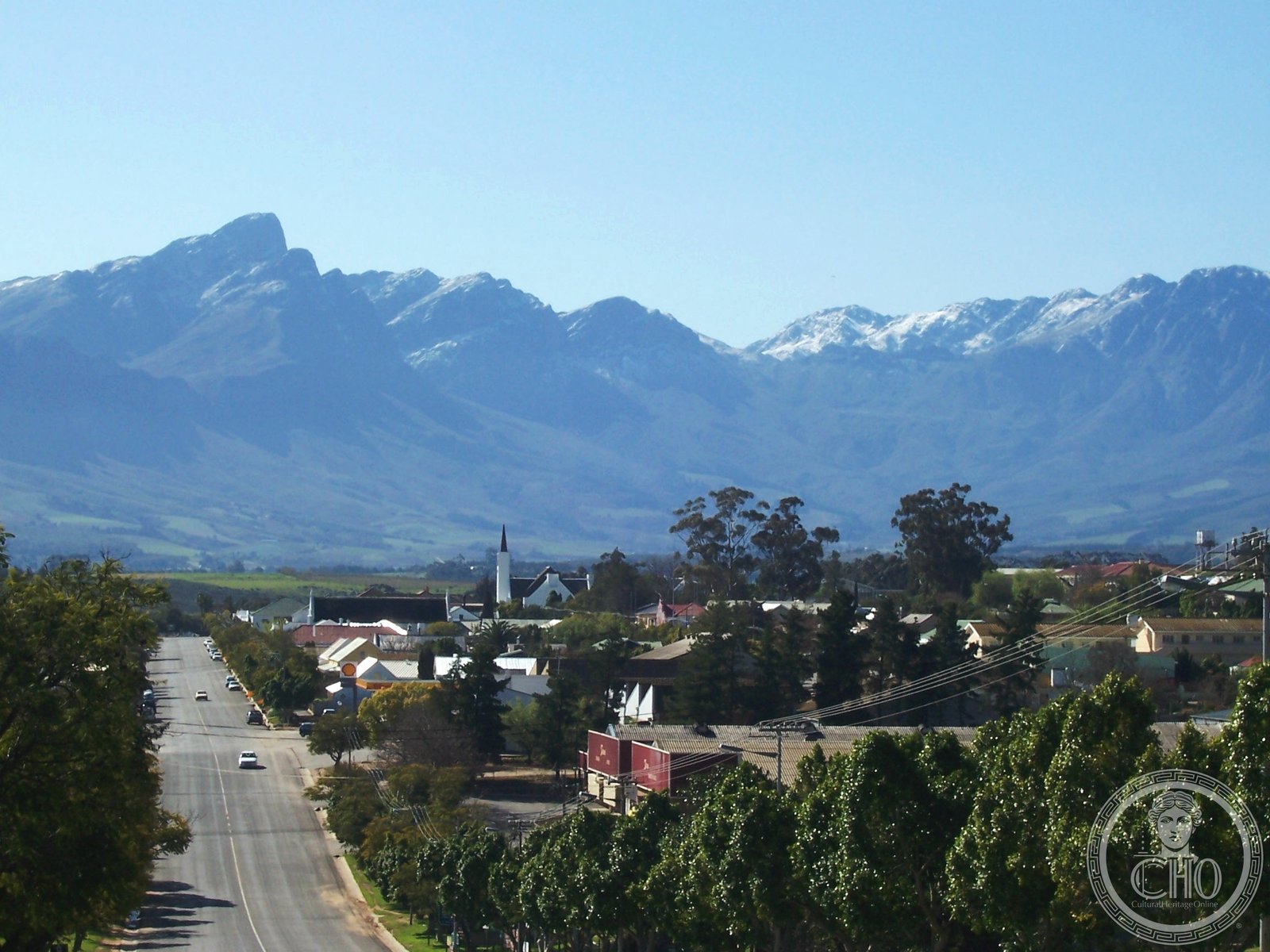
A mountain range in South Africa’s Cape Fold Belt, rising to 2,077 metres and home to ancient San rock art spanning millennia.
At a glance
The Groot Winterhoek mountains dominate the landscape north of Tulbagh in the Western Cape. Predominantly composed of Table Mountain sandstone, the range encompasses a watershed area of 552,606 hectares. Remarkably, 83% remains in natural condition, with 72% formally protected.
History
San rock art throughout these mountains documents human presence dating back 6,000 years, offering a rare window into the region’s deep cultural heritage. The mountains form part of the Cape Fold Belt, a geological formation of significant regional importance.
What you see
Groot Winterhoek peak crowns the range at 2,077 metres just north of Tulbagh. A plateau in the northern half is accessible via the Dasklip Pass, providing spectacular vantage points across the watershed. The landscape is characterized by exposed sandstone formations and diverse vegetation patterns.
Cultural significance
Beyond its geological importance, the mountains preserve irreplaceable evidence of San culture and artistic expression. The range supports commercially harvested indigenous plants—Agathosma, rooibos (Aspalathus linearis), and proteas—making it economically and botanically significant. Its large protected area contributes to regional biodiversity conservation.
Key facts
- Location: Western Cape, South Africa, north of Tulbagh
- Peak elevation: 2,077 metres
- Watershed area: 552,606 hectares
- Coordinates: -33.030078, 19.104855
- Natural state: 83% of the range
- Protected area: 72% of the range
- San rock art: dating to 6,000 years ago
Practical information & getting there
The Dasklip Pass provides vehicle access to the northern plateau. Towns at the range’s western foot—Saron and Porterville—serve as gateways. The mountains support diverse wildlife including klipspringer, grey rhebok, Cape mountain leopard, caracal, and various smaller mammals. Specific visiting information is best obtained locally.
Sources & resources
- Groot Winterhoek – Wikipedia
- Cultural Heritage Online
Find it on the map
See this place and what’s around it →📷 Become a Cultural Heritage Online photographer
Share your photos of places: they stay published under your name as the author. The more they're seen, the more you get noticed — and soon a contest will reward the most appreciated photos.
Log in or sign up free to add a photoIs this page about you?
This page is read by travellers and heritage enthusiasts who find it on Google. Tell us how you are connected to this place and we will take it from there.