
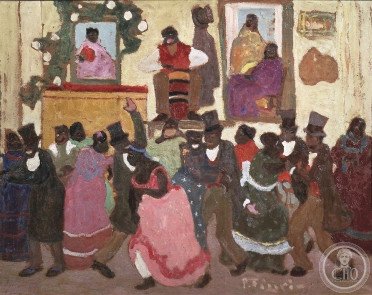
A pulsing fusion of African rhythm and Uruguayan identity, candombe emerged from the creativity of liberated slaves and remains the heartbeat of Montevideo’s February carnival celebrations.
At a glance
Candombe is a distinctive style of music and dance rooted in the experiences and cultural memory of descendants of African slaves in Uruguay. The tradition centers on three drums—the chico, repique, and piano—played in intricate polyrhythmic patterns that define its sound. Each February, during Montevideo’s carnival season, candombe erupts into the streets through dance parades known as llamadas and the desfile inaugural del carnaval, where communities process together in costume and movement.
Origins and history
Candombe originated among the descendants of liberated African slaves in Uruguay, synthesizing African musical traditions with the social life of Montevideo. The practice carries within it the resilience and creative expression of communities who built new identities in the Americas. Though primarily rooted in Uruguay, candombe has spread to neighboring regions—it is practiced to a lesser extent in Argentina (Buenos Aires, Santa Fe, Paraná, and Corrientes), Paraguay (Camba Cuá and Fernando de la Mora), and Brazil (Minas Gerais and Rio Grande do Sul), where it has retained its religious character in some communities.
The tradition today
Candombe remains a living, evolving practice woven into Montevideo’s social fabric. The music depends on the dialogue between its three signature drums, each with a distinct role in the ensemble. Performance happens primarily during carnival season, when neighborhoods organize and rehearse year-round in preparation for their entries. These parades blend music, costume, choreography, and collective participation into a form of street theater that reinforces community bonds and cultural continuity.
Cultural significance
Candombe represents far more than entertainment; it is a vehicle for historical memory and ongoing cultural identity. UNESCO recognized the tradition not simply as music and dance, but as a complete socio-cultural space—acknowledging the neighborhoods, families, rehearsal groups, and collective practices that sustain it. For Montevideo’s communities, candombe affirms African heritage in the Río de la Plata region and serves as a statement of pride and belonging in Uruguayan society.
Key facts
- Country: Uruguay
- Anchor community: Montevideo
- Primary drums: Chico, repique, and piano
- Main performance season: February carnival
- UNESCO inscription: 2009 (Representative List of the Intangible Cultural Heritage of Humanity)
- Regional presence: Also practiced in Argentina, Paraguay, and Brazil
Where to experience it
Visit Montevideo in February during carnival season to witness candombe in its most vibrant form. The llamadas parade and desfile inaugural del carnaval showcase neighborhood groups performing candombe in the streets. Local cultural organizations and community centers in Montevideo offer opportunities to learn about the tradition year-round, though the public celebrations during carnival remain the signature experience.
Sources & resources
Find it on the map
See this place and what’s around it →📷 Become a Cultural Heritage Online photographer
Share your photos of places: they stay published under your name as the author. The more they're seen, the more you get noticed — and soon a contest will reward the most appreciated photos.
Log in or sign up free to add a photo