
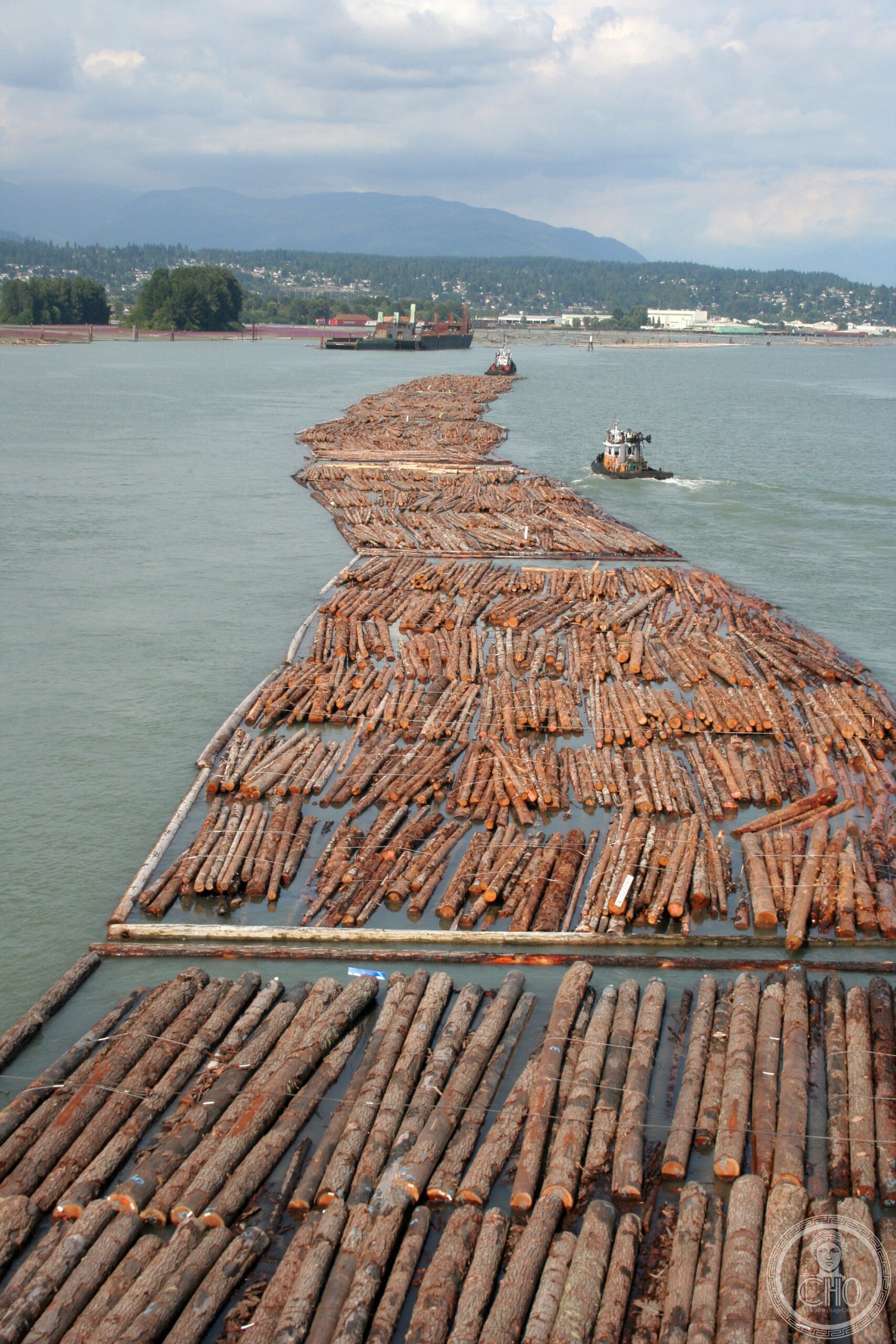
For centuries, the Dunajec River Gorge has been the stage for a centuries-old craft: lashing felled timber into rafts and guiding them downriver. This perilous skill, once vital to Europe’s timber trade, survives in Poland as living memory of an age when water was the highway.
At a glance
Timber rafting is the art of binding felled tree trunks together to form rafts, then navigating them downriver or across lakes. Practised in Szczawnica and other communities across Austria, the Czech Republic, Germany, Latvia, Poland and Spain, it represents one of history’s most efficient—and economical—methods of transporting timber to market. The tradition demands intimate knowledge of water, wood and weather.
Origins and history
River-based timber transport emerged from practical necessity in forested regions of Central and Eastern Europe. As demand for wood grew, lumberjacks and rafters developed techniques to move heavy logs downstream, exploiting gravity and current to reduce labour costs. The Dunajec River, flowing through the Pieniny Mountains, became a natural highway for this trade—and remains so today.
Timber rafting ranked second only to log driving as the cheapest known method of moving felled timber, making it indispensable to the regional economy for generations.
The tradition today
In Szczawnica, experienced rafters continue to construct and pilot timber rafts on the Dunajec, maintaining techniques handed down through families. The work demands precision: each log must be lashed securely; the rafter must read currents and navigate narrows with skill honed over years. Modern rafters balance authenticity with safety, often guiding heritage tours alongside traditional commerce.
The knowledge system encompasses wood selection, rope-work, hydrology and seasonal variation—a complete craft, not mere transportation.
Cultural significance
Timber rafting embodies the resourcefulness of mountain communities and their deep relationship with rivers and forests. It connects Szczawnica’s identity to a continental tradition spanning six nations—a shared European heritage transcending borders. The craft also preserves ecological and economic history: how societies once moved their most valued resources before railways and roads.
UNESCO recognition in 2022 affirmed the tradition’s worth as irreplaceable human knowledge.
Key facts
- Country: Poland
- Primary location: Szczawnica, Pieniny Mountains region
- UNESCO Intangible Cultural Heritage: Inscribed on the Representative List in 2022
- Geographic scope: Practised across Austria, Czech Republic, Germany, Latvia, Poland and Spain
- Method classification: Second-cheapest known timber transport system after log driving
- Core skills: Log selection, lashing, water navigation, seasonal knowledge
Where to experience it
Szczawnica, a small town nestled in the Pieniny Mountains, remains the living heart of Polish timber rafting. You can witness traditional rafting on the Dunajec River, often as part of heritage tourism experiences. Contact local tourism offices for current opportunities to observe or participate in this ancestral craft.
Sources & resources
- Timber rafting – Wikipedia
- Cultural Heritage Online
- UNESCO Intangible Cultural Heritage Representative List: Timber Rafting (2022)
Find it on the map
See this place and what’s around it →📷 Become a Cultural Heritage Online photographer
Share your photos of places: they stay published under your name as the author. The more they're seen, the more you get noticed — and soon a contest will reward the most appreciated photos.
Log in or sign up free to add a photo