
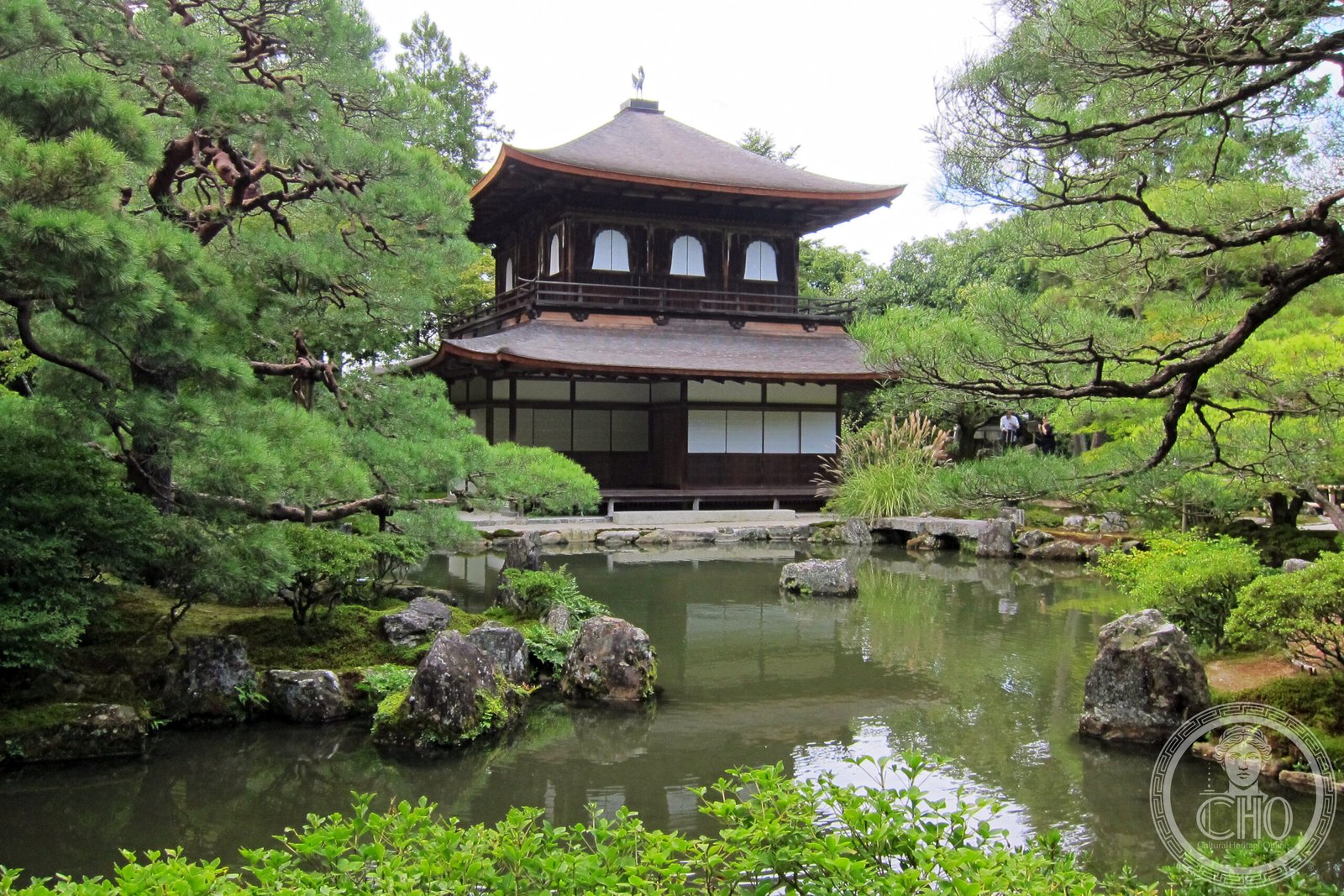
The Temple of the Silver Pavilion stands as a pinnacle of Zen aesthetics and Higashiyama Culture, its refined simplicity reflecting the artistic ideals of medieval Kyoto.
At a glance
Officially named Jishō-ji (Temple of Shining Mercy), Ginkaku-ji is a Zen Buddhist temple located in Kyoto’s Sakyo ward. Its design embodies the restrained elegance characteristic of the Higashiyama period, when Japanese architecture and arts reached new heights of sophistication.
History
Ginkaku-ji emerged as a significant religious and cultural institution during the Muromachi period, a time when Zen Buddhism profoundly shaped Japanese aesthetics. The temple became a beacon of the Higashiyama Culture—a movement that defined artistic taste across painting, calligraphy, garden design, and architecture.
What you see
The temple exemplifies Zen architectural principles through minimalist design and harmonious integration with its landscape. Every element—from pavilion proportions to garden composition—reflects deliberate aesthetic choices that prioritize spiritual contemplation over ornamental display.
Cultural significance
As a landmark of Higashiyama Culture, Ginkaku-ji represents a transformative moment in Japanese art history when Zen Buddhist philosophy permeated elite cultural expression. The temple’s influence extends far beyond its walls, shaping how subsequent generations understood beauty, space, and the relationship between human creation and nature.
Key facts
- Official name: Jishō-ji (慈照寺)
- Location: Sakyo ward, Kyoto, Japan
- Coordinates: 35.02666667, 135.79833333
- Cultural period: Muromachi period
- Religious affiliation: Zen Buddhism
Practical information & getting there
Ginkaku-ji is accessible by public transport from central Kyoto. Visit the temple’s official channels or local visitor resources for current opening hours and admission details before planning your visit.
Sources & resources
Find it on the map
See this place and what’s around it →📷 Become a Cultural Heritage Online photographer
Share your photos of places: they stay published under your name as the author. The more they're seen, the more you get noticed — and soon a contest will reward the most appreciated photos.
Log in or sign up free to add a photoIs this page about you?
This page is read by travellers and heritage enthusiasts who find it on Google. Tell us how you are connected to this place and we will take it from there.