
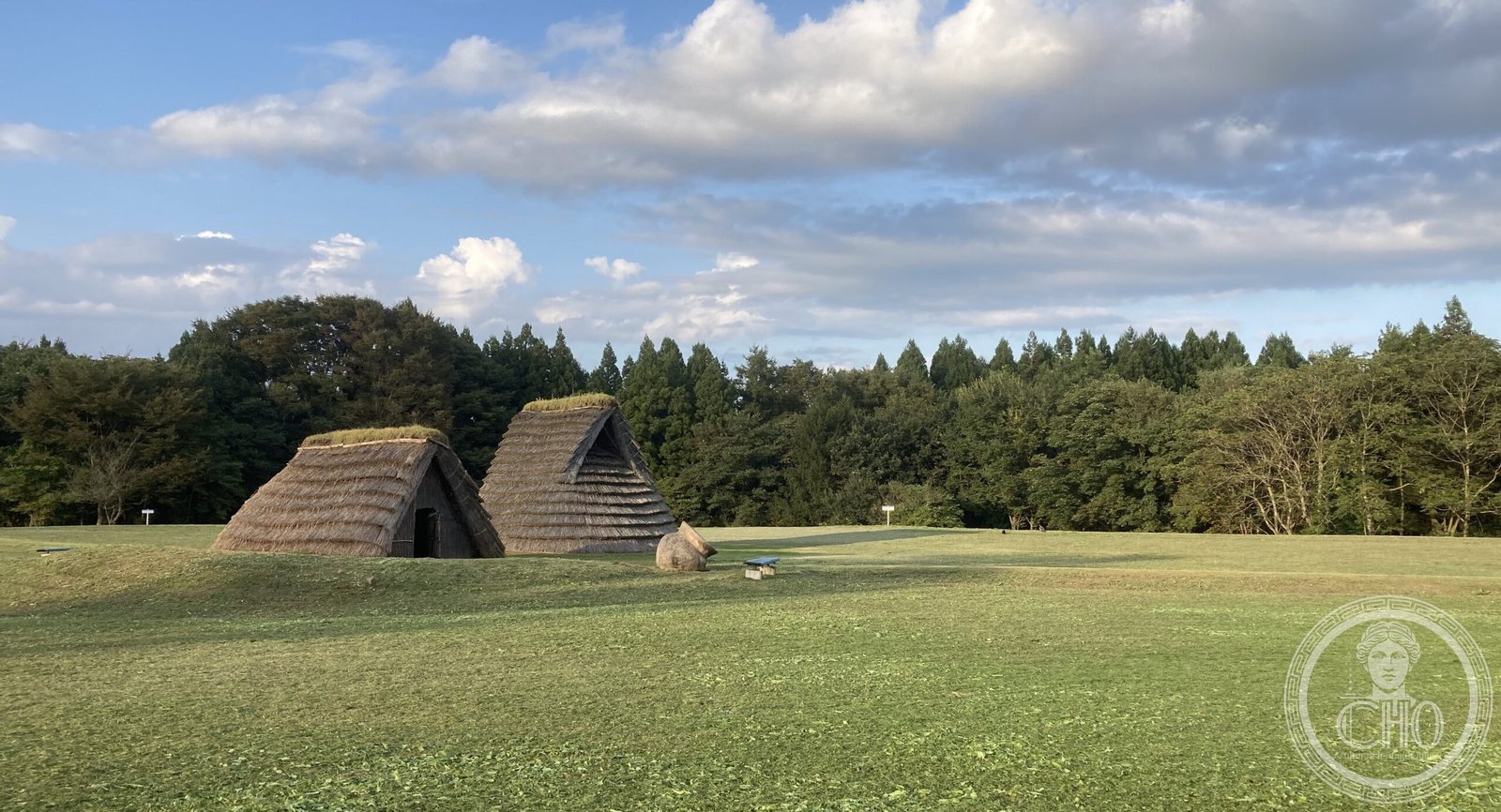
One of Japan’s most significant Jōmon archaeological sites, Futatsumori preserves shell middens and settlement remains spanning thousands of years of hunter-gatherer life in northern Honshu.
At a glance
The Futatsumori Site comprises a series of substantial shell middens adjacent to the remains of a prehistoric settlement. Covering approximately 30 hectares in Aomori Prefecture, it documents the Jōmon period—one of Japan’s earliest cultural phases. The site earned national protection in 1998.
History
The Futatsumori Site documents occupation during the Jōmon period, a prehistoric era characterized by hunter-gatherer societies, pottery-making, and increasing settlement complexity. The shell middens—refuse heaps from shellfish collection and consumption—reveal dietary patterns and resource management practices across generations of habitation in the Tōhoku region.
What you see
Visitors encounter extensive shell midden formations and archaeological evidence of settlement structures. The layered deposits within these middens preserve organic materials and artifacts that illuminate daily life, subsistence strategies, and environmental interactions of Jōmon peoples.
Cultural significance
Futatsumori ranks among Japan’s premier sites for understanding the Jōmon period and the deep history of human settlement in the Tōhoku region. The shell middens provide exceptional evidence of resource exploitation, seasonal movement patterns, and the transition toward more sedentary lifeways in ancient Japan.
Key facts
- Located in Shichinohe, Aomori Prefecture, Japan
- Covers approximately 30 hectares
- Designated a National Historic Site in 1998
- Coordinates: 40.748°N, 141.230°E
Practical information & getting there
The site is located in the town of Shichinohe in the Tōhoku region of northern Honshu. As a National Historic Site, it is protected and managed by Japan’s central government. Contact local tourism authorities in Aomori Prefecture for current access information and guided tour availability.
Sources & resources
Find it on the map
See this place and what’s around it →📷 Become a Cultural Heritage Online photographer
Share your photos of places: they stay published under your name as the author. The more they're seen, the more you get noticed — and soon a contest will reward the most appreciated photos.
Log in or sign up free to add a photoIs this page about you?
This page is read by travellers and heritage enthusiasts who find it on Google. Tell us how you are connected to this place and we will take it from there.