
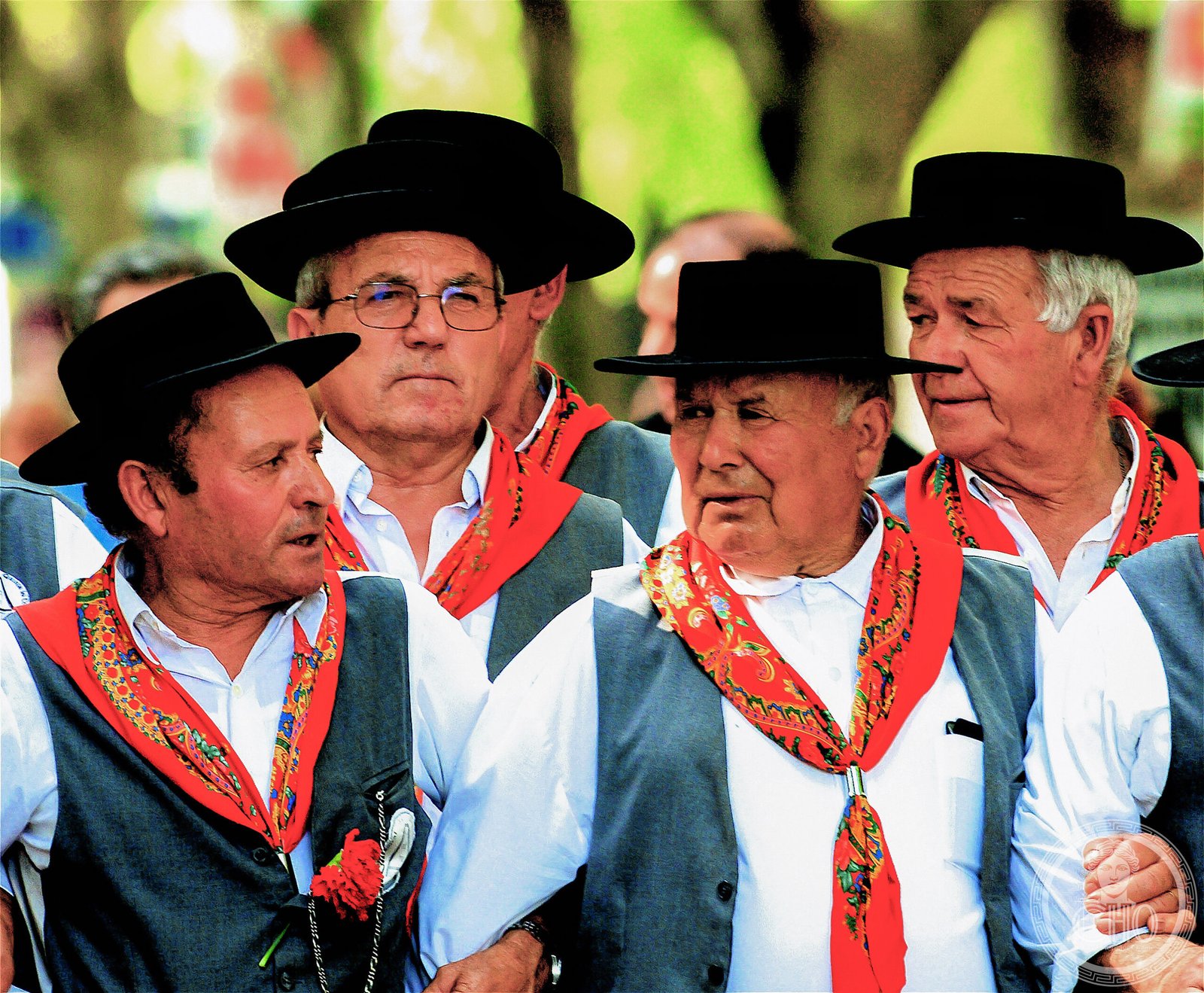
A haunting vocal tradition from Portugal’s Alentejo region, Cante Alentejano is polyphonic singing performed entirely without instruments. Rooted in the work songs of rural herders, this unaccompanied art form carries the voice of a landscape and its people.
At a glance
Cante Alentejano is a Portuguese music genre based purely on vocal music without instrumentation. Performed as polyphonic singing—multiple voices in harmony—it emerges from the Alentejo region in southern Portugal. The tradition was inscribed on UNESCO’s Representative List of the Intangible Cultural Heritage of Humanity in 2014, making it one of only two Portuguese music traditions so recognized, alongside Fado.
Origins and history
The origins of Cante Alentejano are traced to a similar popular music genre created in the region of Minde by campinos—the traditional cattle herders of the Alentejo. The habit of singing without instruments is said to have been common among bull-herders as a practical means to coordinate efforts during their work. Over generations, this functional tradition evolved into a sophisticated vocal art form deeply woven into regional identity.
The tradition today
Cante Alentejano remains a living practice, passed down through families and community participation. Singers perform in groups, their voices creating complex harmonic textures without any musical accompaniment. The tradition continues to be practiced at gatherings, celebrations, and cultural events throughout Alentejo, sustaining its connection to both heritage and daily life.
Cultural significance
This vocal tradition embodies the spirit of Alentejo—its landscape, labor, and collective identity. Cante Alentejano represents a rare form of musical expression that prioritizes the human voice and communal harmony. Its UNESCO recognition acknowledges not only its artistic merit but also its role as a repository of regional knowledge, values, and social bonds passed through generations.
Key facts
- Country: Portugal
- Anchor community: Évora, Alentejo
- UNESCO Intangible Cultural Heritage (Representative List): 2014
- Genre: Polyphonic vocal music without instrumentation
- One of two Portuguese music traditions on UNESCO’s Representative List
Where to experience it
You can encounter Cante Alentejano at cultural festivals and gatherings throughout Évora and the broader Alentejo region. Local cultural organizations and community events regularly feature performances. Contact regional tourism offices in Évora for current schedules and opportunities to hear this living tradition performed in its home landscape.
Sources & resources
- Cante Alentejano – Wikipedia
- Cultural Heritage Online
Find it on the map
See this place and what’s around it →📷 Become a Cultural Heritage Online photographer
Share your photos of places: they stay published under your name as the author. The more they're seen, the more you get noticed — and soon a contest will reward the most appreciated photos.
Log in or sign up free to add a photo