
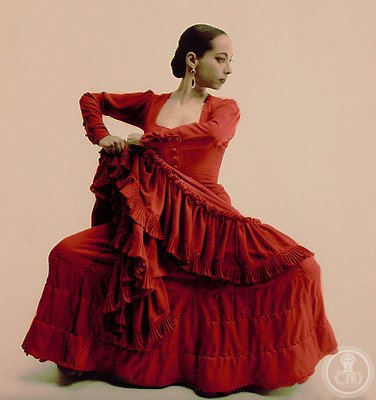
A sophisticated art form rooted in Andalusian song, guitar, dance, and rhythm—born from the gitano subculture and refined over centuries into one of Spain’s most powerful expressive traditions.
At a glance
Flamenco is far more than folk music. It fuses song, classical guitar, intricate footwork, handclaps, and rhythmic cycles into a complex system that demands both technical mastery and spontaneous invention. While often associated with gitano (Romani) artists who shaped its identity, flamenco has historically welcomed performers of all backgrounds, creating a distinctly Andalusian aesthetic that resonates across Spain and the world.
Origins and history
The earliest documented record of flamenco appears in 1774, cited in José Cadalso’s Las Cartas Marruecas (The Moroccan Letters). Its roots lie deep in Andalusian folklore, shaped by centuries of cultural exchange and the lived experience of gitano communities in southern Spain, with historical presence also recorded in Extremadura and Murcia.
Over two centuries, flamenco evolved through theatrical forms—sainetes and tonadillas—popular songbooks, dance notation, paintings, and newspaper accounts. The tradition remains in continuous evolution, adapting its rhythms, verses, and emotional landscape across generations.
The tradition today
Modern flamenco sustains its layered complexity: modal and tonal harmony, falsetas (guitar flourishes), rhythmic cycles (compás), stanzaic poetry, and improvisatory variation interweave within each performance. The development of concert flamenco guitar and formal conservatory study has elevated the tradition to concert halls and classical venues, attracting trained musicians alongside self-taught performers.
Flamenco pales—or song styles—are distinguished by rhythm, mode, geographic origin, and performance convention, each carrying its own emotional and technical signature.
Cultural significance
Flamenco embodies the voice of Andalusia—its passion, resilience, and beauty distilled into art. The gitano community’s profound contributions to its formation and professionalization remain central to its identity, yet the tradition belongs to all who practice it. UNESCO’s 2010 recognition acknowledged flamenco as a Masterpiece of the Oral and Intangible Heritage of Humanity, affirming its place among the world’s living traditions.
Key facts
- Country: Spain
- Anchor community: Seville, Andalusia
- UNESCO designation: Masterpieces of the Oral and Intangible Heritage of Humanity (2010)
- Earliest written record: 1774
- Core elements: Song, guitar, dance, handclaps, footwork, compás (rhythm), and improvisation
- Associated communities: Gitano (Romani) artists and non-gitano Spanish performers
Where to experience it
Seville pulses with flamenco in venues ranging from intimate tablaos (small theaters) to concert halls. You will find performances in traditional bars, formal schools, and during festivals year-round. The city’s gitano quarters, particularly around the Triana neighborhood, remain cultural epicenters where flamenco is lived, taught, and continuously reimagined.
Sources & resources
- Flamenco — Wikipedia
- Cultural Heritage Online
- UNESCO Representative List of the Intangible Cultural Heritage of Humanity
Find it on the map
See this place and what’s around it →📷 Become a Cultural Heritage Online photographer
Share your photos of places: they stay published under your name as the author. The more they're seen, the more you get noticed — and soon a contest will reward the most appreciated photos.
Log in or sign up free to add a photo