
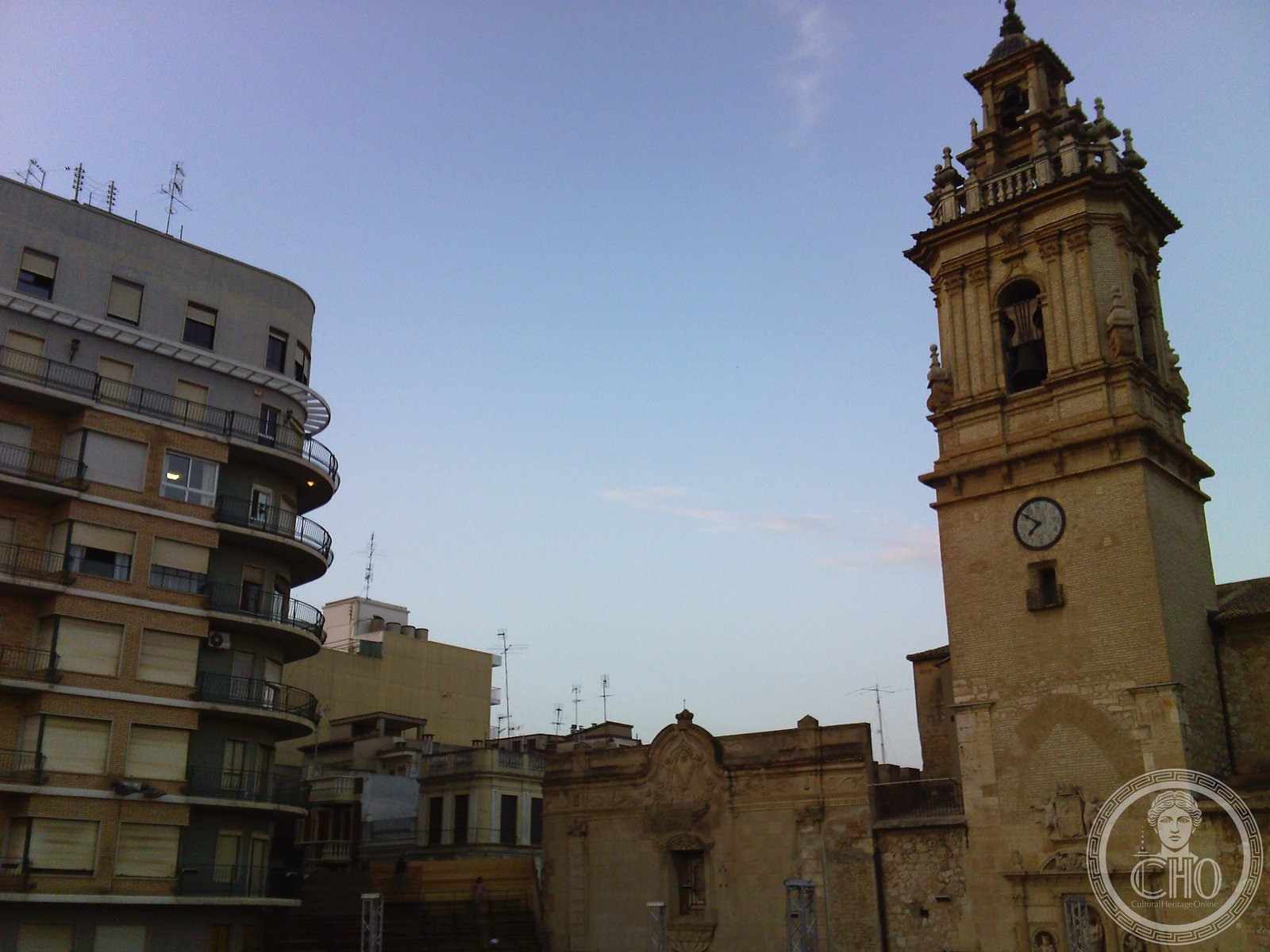
Every September in this Valencian citrus town, devotion and dance converge in a centuries-old celebration of the Virgin of Health, where the acrobatic Muixeranga tradition remains the spiritual heart of the festival.
At a glance
The Festivity of la Mare de Déu de la Salut is an annual September celebration in Algemesí, a major centre for citrus production in the Ribera Alta region of Valencia. UNESCO recognised the festival as Intangible Cultural Heritage in 2011, acknowledging its role in maintaining Valencian traditions and collective identity. The Muixeranga, a traditional acrobatic dance performed by young men stacking their bodies into human pyramids, forms the ritual and symbolic core of the devotion.
Origins and history
The festivity honours la Mare de Déu de la Salut—the Virgin of Health—and has been woven into Algemesí’s social and spiritual fabric for generations. The Muixeranga, originally performed as part of this celebration, represents a distinctive form of collective expression rooted in Valencian culture. The festival’s combination of religious devotion and folk performance reflects the region’s agricultural heritage and community bonds forged through centuries of shared labour and celebration.
The tradition today
The September festivity remains a living practice, drawing residents and visitors to witness the acrobatic Muixeranga performances. Young men continue to learn and perfect the demanding choreography of human towers, transmitting the tradition orally and through apprenticeship. The celebration weaves religious procession, music, dance, and local gastronomy into a multisensory event that reinforces Algemesí’s identity as a Valencian community.
Cultural significance
The Festivity of la Mare de Déu de la Salut embodies Valencian values of solidarity, collective effort, and devotion. The Muixeranga—with its requirement for trust, coordination, and physical mastery—symbolises community resilience and intergenerational knowledge transfer. UNESCO’s recognition affirms the festival’s importance as a guardian of Valencian intangible heritage in an era of cultural globalisation.
Key facts
- Country: Spain
- Anchor community: Algemesí, Ribera Alta, Valencian Community
- UNESCO Intangible Cultural Heritage: Festivity of la Mare de Déu de la Salut of Algemesí (inscribed 2011)
- Season: September
- Primary element: Muixeranga (acrobatic human-tower dance)
- Regional context: Major citrus-producing centre irrigated by the Xúquer river
Where to experience it
You can attend the Festivity of la Mare de Déu de la Salut during September in Algemesí. The celebrations centre on the town’s main religious and public spaces, where Muixeranga performances and processions take place. Contact the Algemesí municipal tourism office for specific dates and programme details for the current year.
Sources & resources
- Wikipedia: Algemesí
- Cultural Heritage Online: culturalheritageonline.com
- UNESCO Intangible Cultural Heritage: Representative List of the Intangible Cultural Heritage of Humanity
Find it on the map
See this place and what’s around it →📷 Become a Cultural Heritage Online photographer
Share your photos of places: they stay published under your name as the author. The more they're seen, the more you get noticed — and soon a contest will reward the most appreciated photos.
Log in or sign up free to add a photo