
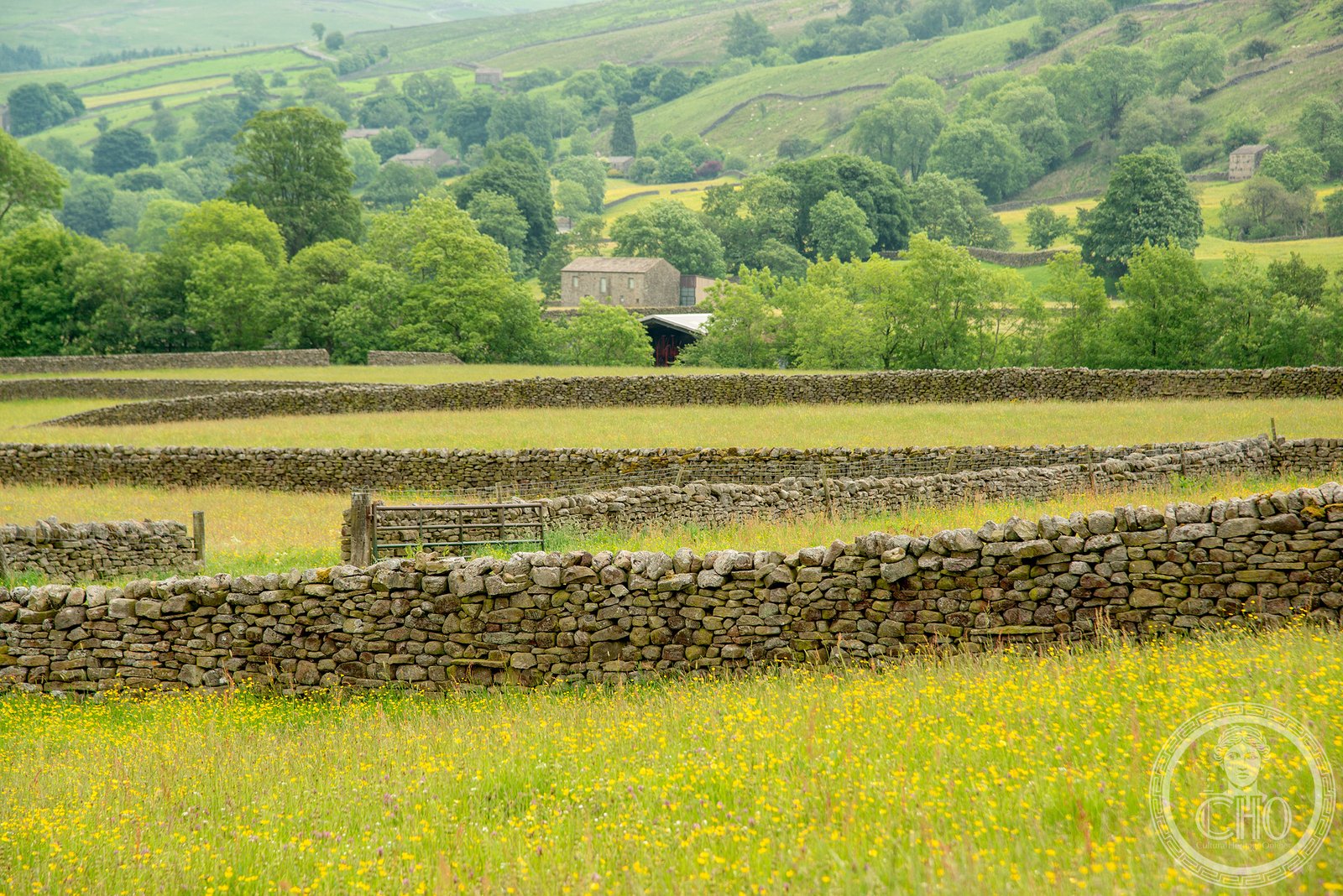
In the Provence region, dry stone walls bind the landscape together without mortar—a craft of precision, patience, and interlocking stone that has shaped terraced vineyards and field boundaries for centuries.
At a glance
Dry stone construction is the art of building structures—walls, shelters, and terraces—from carefully selected stones that lock together without mortar or binding agent. The technique relies on the mason’s skill in choosing stones whose shapes and weight create stability through geometry alone. In Gordes and across Provence, dry stone walls define the agricultural landscape, marking field boundaries, supporting terraced vineyards, and retaining hillside soil.
Origins and history
Dry stone construction is ancient, though the term itself distinguishes this method from precisely-shaped stonework in other traditions, such as Greek temples or Inca architecture. In the Mediterranean and beyond, generations of builders developed the craft empirically—learning which stones fit, how to position them for maximum stability, and how to account for settling and weather.
Provence’s dry stone walls are particularly distinctive, reflecting the region’s geology, climate, and agricultural needs. They speak to centuries of land use and adaptation.
The tradition today
Dry stone walling remains a living craft in Gordes and throughout Provence, practiced by dedicated artisans who combine traditional knowledge with ongoing refinement. Modern conservation efforts and educational initiatives help ensure the technique survives and adapts to contemporary land management and heritage preservation.
New walls are built, historic walls are restored, and the principles remain unchanged: select the right stone, understand its weight and angle, and trust the fit.
Cultural significance
Dry stone walls embody deep ecological and cultural knowledge. They represent sustainable land stewardship—structures built to last centuries with no industrial input—and mark human settlement patterns across rural Europe. The craft connects builders to their landscape and to each other across generations. In Gordes, these walls are not merely functional; they are visible expressions of community identity and respect for the Provençal countryside.
Key facts
- Country: France
- Anchor community: Gordes, Provence
- UNESCO Intangible Cultural Heritage: Art of dry stone construction, knowledge and techniques (Representative List, 2018; Ireland added 2024)
- Geographic scope: Also practiced in Greece, Italy, Slovenia, Croatia, Switzerland, Spain, and Northern Europe
- Primary uses: Field boundaries, terracing, retaining walls, shelters, and other structures
Where to experience it
Gordes itself is built partly of dry stone; the village’s architecture and surrounding terraced landscape offer abundant examples. You can observe the craft in restoration work, in contemporary walling, and along the many historic boundaries that define the Provençal countryside. Local heritage organizations and tourism offices can direct you to artisans, demonstration sites, and walking routes that reveal the technique in context.
Sources & resources
Find it on the map
See this place and what’s around it →📷 Become a Cultural Heritage Online photographer
Share your photos of places: they stay published under your name as the author. The more they're seen, the more you get noticed — and soon a contest will reward the most appreciated photos.
Log in or sign up free to add a photo