
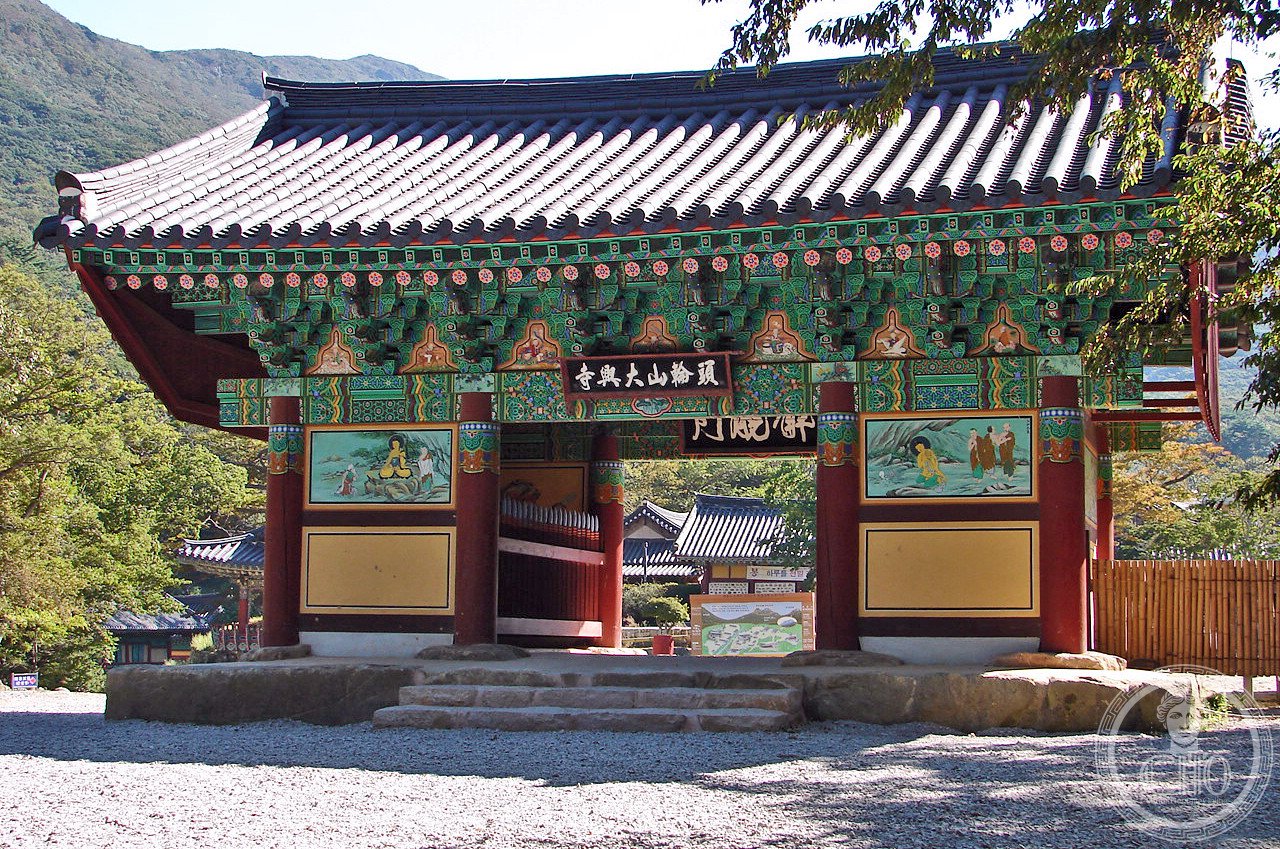
A principal temple of Korean Buddhism, Daeheungsa occupies a mountainside sanctuary in South Jeolla Province, where centuries of monastic practice continue within the Jogye Order tradition.
At a glance
Daeheungsa ranks among the main temples of the Jogye Order, the largest order of Korean Buddhism. Perched on the slopes of Duryun Mountain in the rural township of Samsan, it serves as a significant monastic and pilgrimage site in South Jeolla Province’s landscape.
History
Details of Daeheungsa’s founding and early development are not provided in available sources. The temple’s enduring status within the Jogye Order reflects its importance to Korean Buddhist institutional life.
What you see
The temple sits on the mountain slopes of Duryunsan, integrating its structures into the natural topography. The specific architectural features and layout are not detailed in current sources.
Cultural significance
As a main temple of the Jogye Order—Korea’s largest Buddhist order—Daeheungsa represents an important institutional and spiritual center within Korean Buddhism. Its mountainside location reflects the traditional Buddhist practice of establishing temples in remote, spiritually significant natural settings.
Key facts
- Country: South Korea
- Location: Samsan township, Haenam County, South Jeolla Province
- Mountain: Duryunsan (Duryun Mountain)
- Affiliation: Jogye Order of Korean Buddhism
- Coordinates: 34.4765°N, 126.6169°E
Practical information & getting there
Daeheungsa is located in Samsan township within Haenam County. For current visiting hours, facilities, and access information, consult local tourism resources or the temple directly.
Sources & resources
Find it on the map
See this place and what’s around it →📷 Become a Cultural Heritage Online photographer
Share your photos of places: they stay published under your name as the author. The more they're seen, the more you get noticed — and soon a contest will reward the most appreciated photos.
Log in or sign up free to add a photoIs this page about you?
This page is read by travellers and heritage enthusiasts who find it on Google. Tell us how you are connected to this place and we will take it from there.