
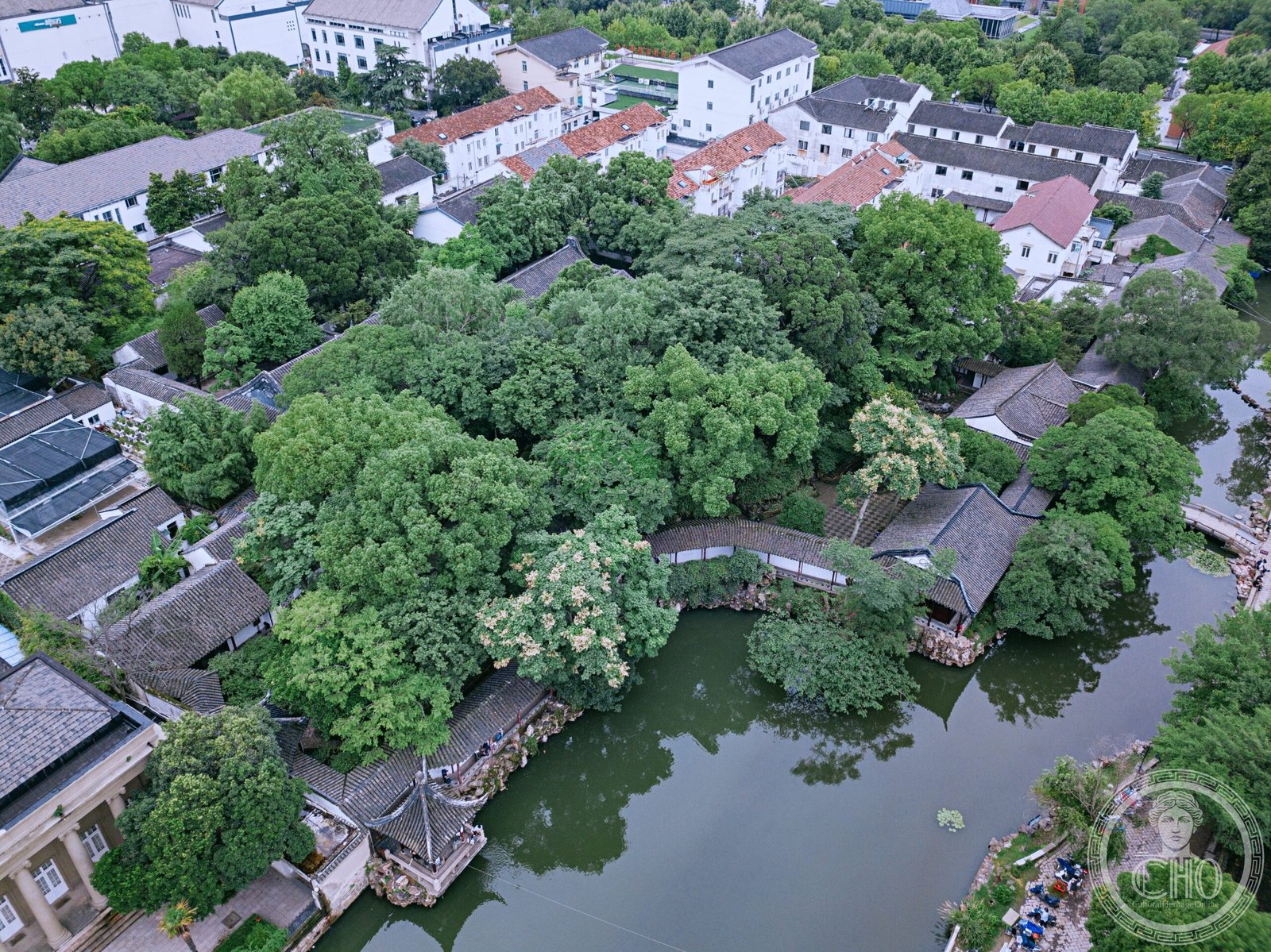
One of Suzhou’s celebrated classical gardens, this UNESCO World Heritage site embodies centuries of Chinese aesthetic refinement and garden design philosophy.
At a glance
Canglang Pavilion—variously translated as the Great Wave, Surging Wave, or Blue Wave Pavilion—stands as a testament to the garden-making tradition that flourished in Suzhou. Its name evokes water and movement, central to the garden’s design. The pavilion is one of several Classical Gardens of Suzhou collectively designated as a UNESCO World Heritage Site, recognizing their outstanding universal value.
History
Information about the pavilion’s origins and historical development is limited in available sources. The garden represents the accumulated knowledge of generations of Chinese landscape architects and scholars who refined principles of balance, harmony, and natural beauty.
What you see
As a classical Chinese garden, Canglang Pavilion exemplifies the integration of architecture, water, plants, and stone. The garden’s design reflects the principle of creating miniaturized landscapes that convey the essence of nature—a fundamental concept in Chinese garden aesthetics. Water features prominently, echoing the pavilion’s name.
Cultural significance
Canglang Pavilion represents the height of Suzhou’s garden tradition, a UNESCO-recognized achievement in landscape design. These gardens served as retreats for scholars and officials, spaces for contemplation and artistic expression. The pavilion embodies Chinese philosophical ideals about humanity’s relationship with the natural world.
Key facts
- Location: 3 Canglangting Street, Suzhou, Jiangsu, China
- UNESCO World Heritage Site (as part of Classical Gardens of Suzhou)
- Coordinates: 31.297°N, 120.6211°E
- Also known as: Great Wave Pavilion, Surging Wave Pavilion, Blue Wave Pavilion
Practical information & getting there
Canglang Pavilion is situated in central Suzhou, accessible via public transportation. As an active UNESCO World Heritage site, it welcomes visitors year-round. Check current opening hours and admission fees before planning your visit.
Sources & resources
Find it on the map
See this place and what’s around it →📷 Become a Cultural Heritage Online photographer
Share your photos of places: they stay published under your name as the author. The more they're seen, the more you get noticed — and soon a contest will reward the most appreciated photos.
Log in or sign up free to add a photoIs this page about you?
This page is read by travellers and heritage enthusiasts who find it on Google. Tell us how you are connected to this place and we will take it from there.