
Afrasiyab
An ancient mound north of Samarkand preserves layers of occupation spanning two millennia, ending with the Mongol invasion of 1220. Its excavated frescoes offer rare visual testimony to the city’s pre-Islamic past.
At a glance
Afrasiyab is an archaeological site comprising a grass-covered mound in northern Samarkand. The oldest settlement layers date to the middle of the first millennium BC. The site remained occupied until 1220 AD, when Mongol forces swept through Central Asia.
History
Occupation at Afrasiyab began around 500 BC and continued through two thousand years of Samarkand’s history. The city flourished as a center on the Silk Road, drawing merchants and settlers from across Asia and beyond. In 1220, the Mongol invasion brought an end to the ancient settlement’s habitation, marking a decisive break in the site’s continuous occupation.
What you see
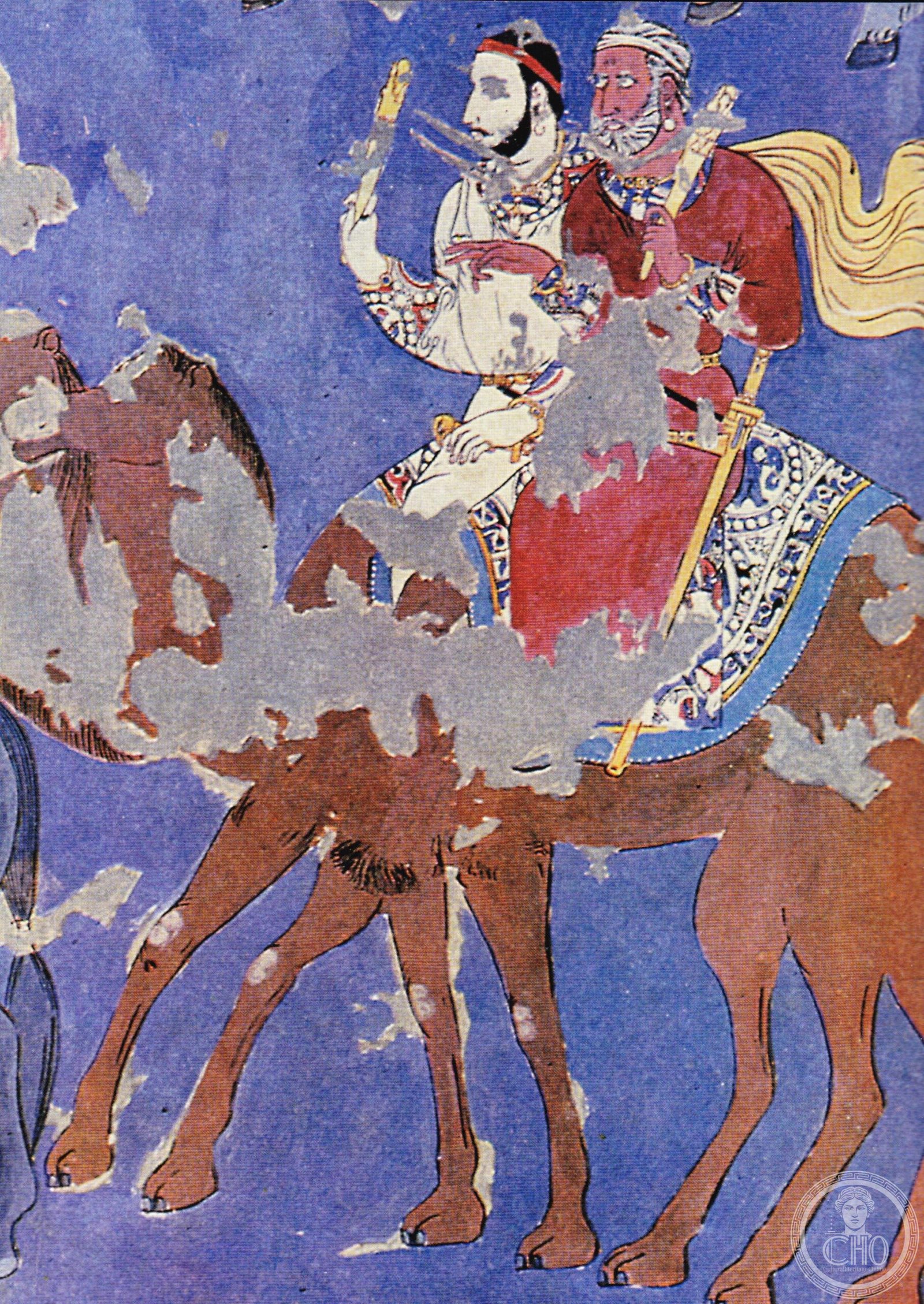
Today Afrasiyab appears as a hilly grass mound situated near the Bibi Khanaum Mosque. The undulating terrain reflects centuries of accumulated habitation layers beneath the surface. The most celebrated discoveries from excavations—the Afrasiab frescoes—are housed in the adjacent Afrasiab Museum of Samarkand, where visitors can examine painted plaster fragments that illuminate the site’s artistic heritage.
Cultural significance
Afrasiyab represents one of Central Asia’s longest continuously occupied urban centers before the Mongol era. The frescoes recovered here provide rare insight into the visual culture and daily life of pre-Islamic Samarkand, offering evidence of artistic exchange along medieval trade routes.
Key facts
- Country: Uzbekistan
- City: Samarkand
- Coordinates: 39.67138889, 66.98777778
- Occupation period: c. 500 BC–1220 AD
- Oldest layers: Middle of first millennium BC
Practical information & getting there
The archaeological mound lies in northern Samarkand near the Bibi Khanaum Mosque. The Afrasiab Museum, located adjacent to the site, displays the excavated frescoes and artifacts. Consult local tourism resources for current hours and entry details.
Sources & resources
Find it on the map
See this place and what’s around it →📷 Diventa un fotografo di Cultural Heritage Online
Condividi le tue foto dei luoghi: restano pubblicate con la tua firma come autore. Più vengono viste, più ti fai conoscere — e presto un concorso premierà le foto più apprezzate.
Accedi o registrati gratis per aggiungere una fotoDo you manage this place?
This page is read by travellers and heritage enthusiasts who find it on Google. Keep it accurate — and make it work for you. Free for non-profit heritage institutions.