
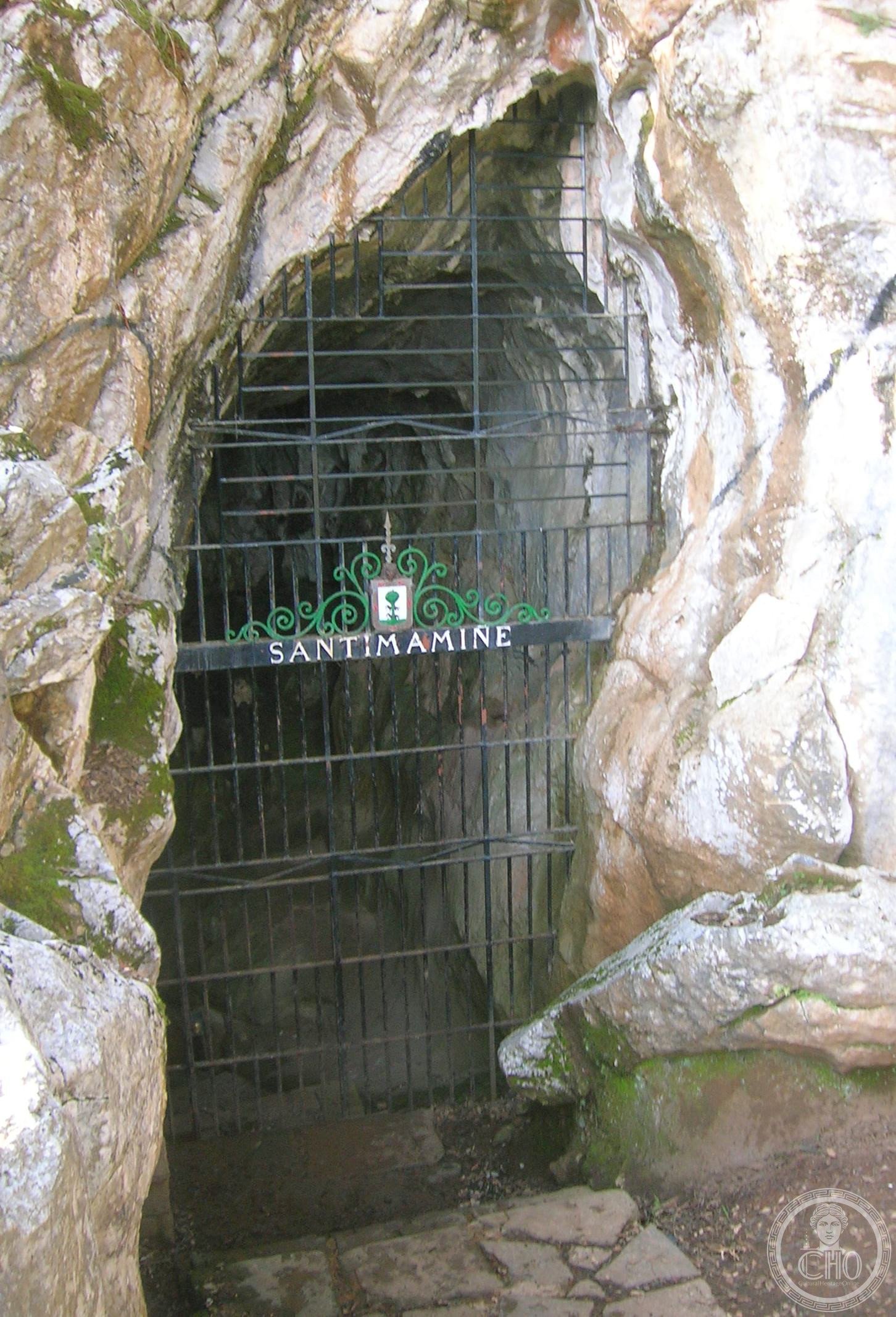
One of the Basque Country’s most significant archaeological sites, Santimamiñe spans nearly 40,000 years of human occupation, from Neanderthal to Iron Age societies, crowned by vivid Magdalenian paintings of game animals.
At a glance
Santimamiñe is a limestone cave overlooking the Urdaibai estuary in Biscay, renowned for its mural paintings and an exceptionally complete stratigraphic record. The site documents the cultural progression of ancient peoples in the Iberian Peninsula across multiple millennia.
History
The cave was discovered by children in 1917, revealing a richly layered archaeological deposit. Its commanding position above the estuary likely attracted successive waves of inhabitants: first Neanderthals during the Mousterian period, then Homo sapiens from the Aurignacian onward. Occupation continued through the Bronze and Iron ages, though the most celebrated cultural phase was the Magdalenian period, when artists painted its interior walls. In 2008, Santimamiñe gained recognition as part of the UNESCO World Heritage Site designation “Cave of Altamira and Paleolithic Cave Art of Northern Spain.”
What you see
The cave walls preserve striking Magdalenian paintings depicting bisons, horses, goats and deer in ochre and charcoal. Beyond the art, visitors encounter layers of archaeological material spanning the Mousterian, Chatelperronian, Aurignacian, Gravettian, Solutrean, Azilian periods and Neolithic through Iron Age remains—a nearly unbroken record of human cultural development. The cave’s natural entrance and position on the western slope of Mount Ereñusarre frame the landscape significance of the site.
Cultural significance
Santimamiñe exemplifies the continuity of human habitation in Atlantic Europe and the artistic achievements of Magdalenian hunters. Its stratified deposits have provided archaeologists with crucial evidence about technological and cultural transitions across the Upper Paleolithic and post-glacial periods. The proximity of the nearby Oma forest, where local artist Agustín Ibarrola created environmental paintings between 1982 and 1985, extends the site’s cultural resonance into contemporary practice.
Key facts
- Location: Kortezubi, Biscay, Basque Country, Spain
- Coordinates: 43.3467, -2.6367
- Discovery: 1917
- UNESCO World Heritage Site: Since 2008 (as part of “Cave of Altamira and Paleolithic Cave Art of Northern Spain”)
- Cultures represented: Mousterian through Iron Age
Practical information & getting there
Santimamiñe is located on the west side of Mount Ereñusarre in Kortezubi. For current visiting information, hours and any required reservations, consult local tourism resources or the site’s official channels. The cave is situated within the Urdaibai Biosphere Reserve, an area of ecological and cultural significance.
Sources & resources
Find it on the map
See this place and what’s around it →📷 Become a Cultural Heritage Online photographer
Share your photos of places: they stay published under your name as the author. The more they're seen, the more you get noticed — and soon a contest will reward the most appreciated photos.
Log in or sign up free to add a photoIs this page about you?
This page is read by travellers and heritage enthusiasts who find it on Google. Tell us how you are connected to this place and we will take it from there.