

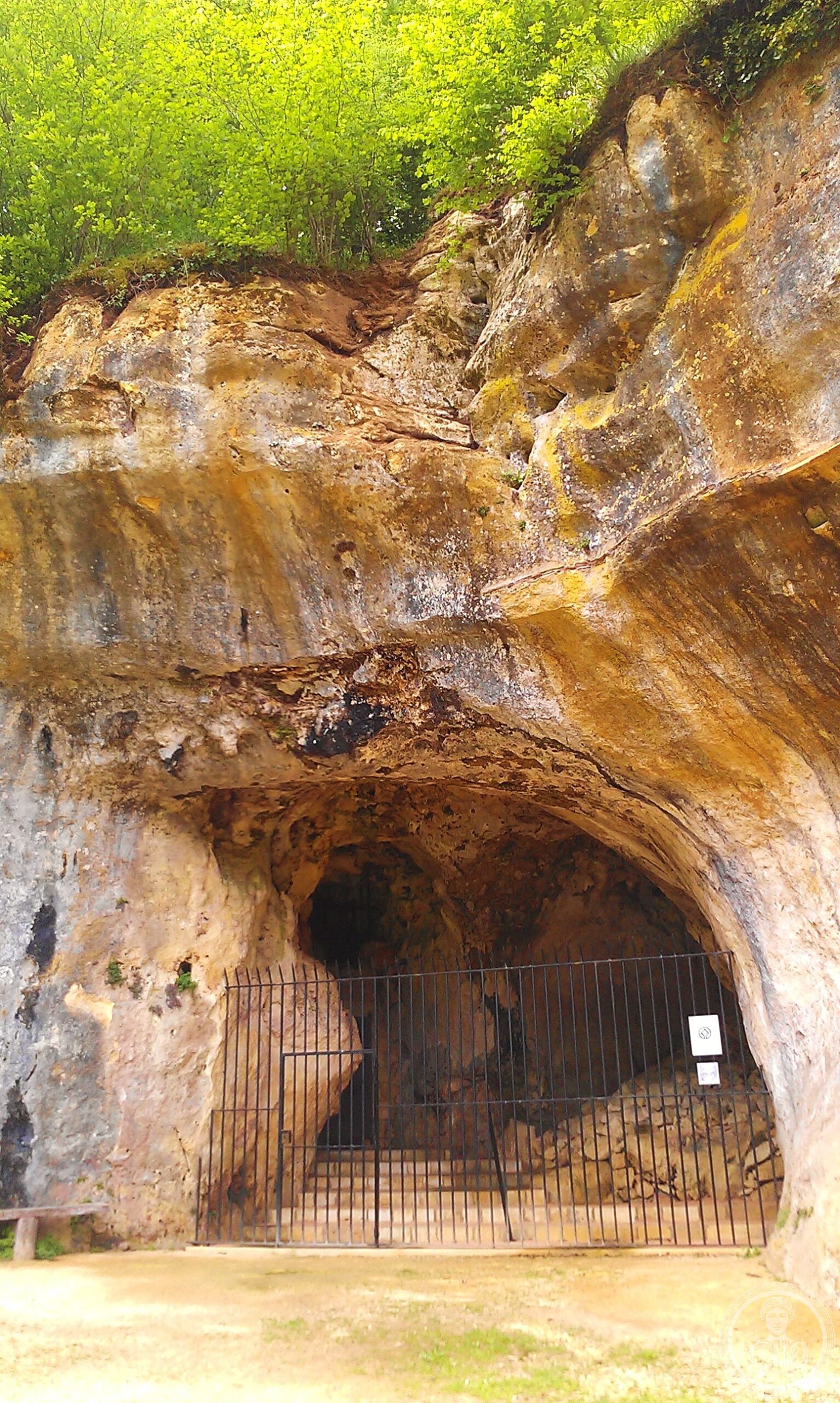
A narrow cave passage carved by underground water holds over 600 prehistoric animal engravings, reshaping early twentieth-century understanding of Cro-Magnon artistic vision and technical skill.
At a glance
Les Combarelles is a limestone cave approximately 300 metres long and 1 metre wide, formed over millennia by an underground river. The two galleries contain more than 600 engravings—horses, bison, mammoths, and abstract symbols—all executed during the Upper Paleolithic period.
History
Cro-Magnon peoples inhabited the cave between roughly 13,000 and 11,000 years ago. The engravings remained unknown to modern science until the site’s discovery, which fundamentally challenged assumptions about prehistoric cognitive capacity. At the turn of the 20th century, the abundance and sophistication of the artwork forced scholars to radically reassess the mental and technical abilities of these ancient humans.
What you see
The cave’s two galleries wind through narrow passages. Engravings of animals—particularly horses and bison—cover the walls, executed with precision using stone tools. Interspersed among the recognisable figures are geometric symbols whose meanings remain debated. The confined, torch-lit space evokes the intimate scale at which these artists worked.
Cultural significance
Les Combarelles is pivotal to understanding Upper Paleolithic artistic practice and cognition. The cave’s discovery and documentation challenged evolutionary narratives that treated prehistoric peoples as intellectually primitive. The site demonstrates sustained artistic tradition, technical mastery of stone engraving, and possibly symbolic or spiritual expression—all hallmarks of modern human consciousness.
Key facts
- Location: Les Eyzies de Tayac, Dordogne, France
- Coordinates: 44.94°N, 1.04°E
- Period: Upper Paleolithic, c. 13,000–11,000 years ago
- Contents: Over 600 animal and symbolic engravings
- Length: Approximately 300 metres
- Width: Average 1 metre
- UNESCO World Heritage Site: Yes (1979, as part of Prehistoric Sites and Decorated Caves of the Vézère Valley)
Practical information & getting there
The cave is located in the Vézère Valley, a region dense with paleolithic sites. Access requires advance planning; check current opening conditions and guided tour availability before visiting, as the narrow passages and archaeological sensitivity restrict visitor numbers.
Sources & resources
Find it on the map
See this place and what’s around it →📷 Become a Cultural Heritage Online photographer
Share your photos of places: they stay published under your name as the author. The more they're seen, the more you get noticed — and soon a contest will reward the most appreciated photos.
Log in or sign up free to add a photoIs this page about you?
This page is read by travellers and heritage enthusiasts who find it on Google. Tell us how you are connected to this place and we will take it from there.