
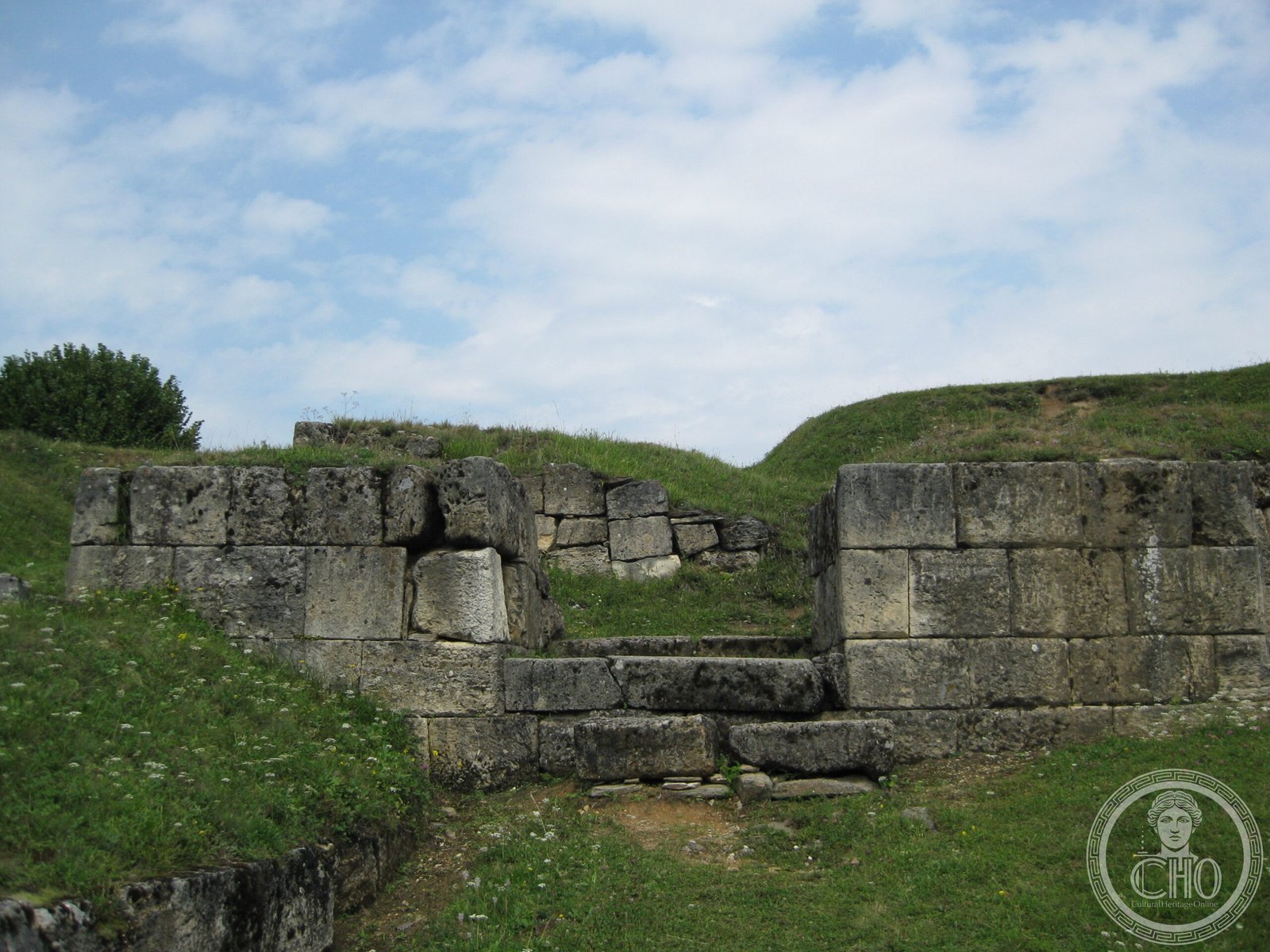
A fortified Dacian town built to defend against Roman expansion, now a World Heritage ruin in the Orăștie Mountains.
At a glance
This 1st-century BC fortress stands as testimony to Dacian military strategy during the reign of Burebista. Located near Costești village, it forms part of a network of interconnected strongholds across the Orăștie Mountains.
History
The fortress was built during Burebista’s rule in the 1st century BC. Its primary purpose was defensive—to protect Dacian territories against Roman military pressure during a period of escalating conflict between the kingdom and Rome’s expanding sphere of influence.
What you see
Today, visitors encounter ruins of a fortified settlement. The structure reflects Dacian defensive architecture designed for mountain terrain, incorporating strategic positioning to command surrounding valleys.
Cultural significance
Costești-Blidaru exemplifies pre-Roman Dacian civilization and engineering. As part of the World Heritage designation, it preserves evidence of a sophisticated military infrastructure that defined the kingdom’s final centuries of independence.
Key facts
- Country: Romania
- Region: Hunedoara County
- Nearest village: Costești
- Period: 1st century BC
- Coordinates: 45.667785, 23.162786
- UNESCO: Dacian Fortresses of the Orăștie Mountains World Heritage Site
Practical information & getting there
The fortress is accessible from Costești village in Hunedoara County. As a mountainous archaeological site, sturdy footwear and advance planning are recommended. Check local tourism resources for current access conditions and guided tour availability.
Sources & resources
Find it on the map
See this place and what’s around it →📷 Become a Cultural Heritage Online photographer
Share your photos of places: they stay published under your name as the author. The more they're seen, the more you get noticed — and soon a contest will reward the most appreciated photos.
Log in or sign up free to add a photoIs this page about you?
This page is read by travellers and heritage enthusiasts who find it on Google. Tell us how you are connected to this place and we will take it from there.