
Alba County
A Romanian county in the heart of Transylvania, Alba County centers on Alba Iulia, a city rich in medieval and Ottoman-era heritage. The region encompasses rolling landscapes and centuries of cultural layering across its towns and villages.
At a glance
Alba County occupies a strategic position within Transylvania’s historic geography. Its capital, Alba Iulia, serves as the administrative and cultural hub, with a population of approximately 63,536 residents. The county’s location places it within one of Europe’s most culturally complex regions.
History
Transylvania’s borders and jurisdictions shifted repeatedly across centuries of Hungarian, Ottoman, and Austro-Hungarian rule. Alba County’s territory reflects these layered histories, with Alba Iulia itself emerging as a significant settlement during the medieval period and later serving important roles under subsequent regional powers.
What you see
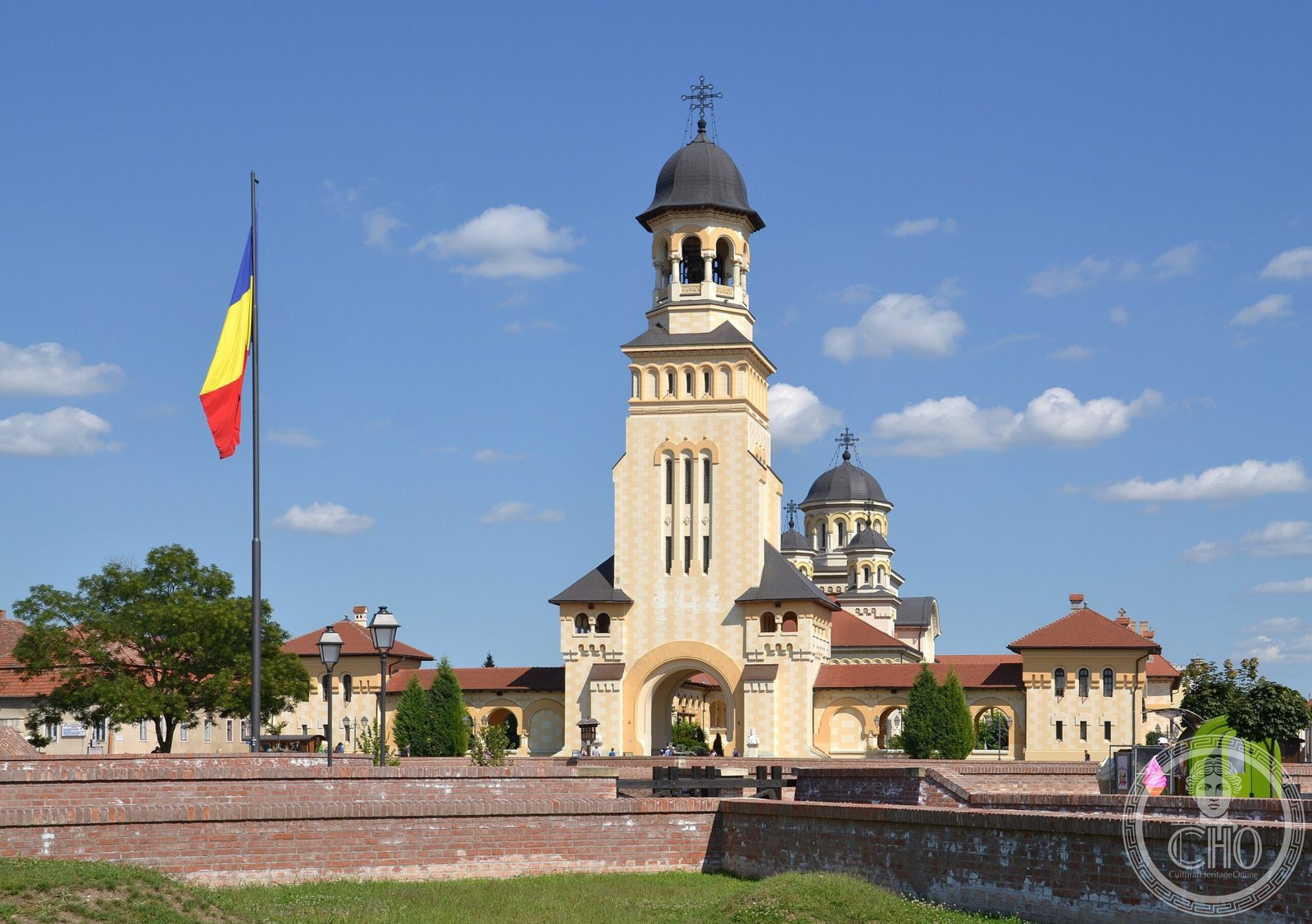
The county’s architectural character derives from its mixed heritage. Alba Iulia contains medieval fortifications, religious buildings, and structures reflecting Ottoman and Habsburg periods. Rural settlements showcase traditional Transylvanian domestic and agricultural architecture across the surrounding landscape.
Cultural significance
Alba County represents Transylvania’s cultural crossroads. The region witnessed sustained contact between Romanian, Hungarian, Saxon, and other Central European populations, leaving visible marks in its urban and rural built environment. Its position within Transylvania makes it essential to understanding the region’s complex identity.
Key facts
- Country: Romania
- Region: Transylvania
- Capital: Alba Iulia (population: 63,536)
- Coordinates: 46.1333°N, 23.5333°E
Practical information & getting there
Alba County is accessible by road and rail from major Transylvanian cities. Alba Iulia lies on regional transport routes connecting Transylvania’s principal towns. For current visitor information, accommodation options, and detailed directions, consult regional tourism resources or local municipality websites.
Sources & resources
- Alba County – Wikipedia
- Cultural Heritage Online
Find it on the map
See this place and what’s around it →📷 Diventa un fotografo di Cultural Heritage Online
Condividi le tue foto dei luoghi: restano pubblicate con la tua firma come autore. Più vengono viste, più ti fai conoscere — e presto un concorso premierà le foto più apprezzate.
Accedi o registrati gratis per aggiungere una foto