
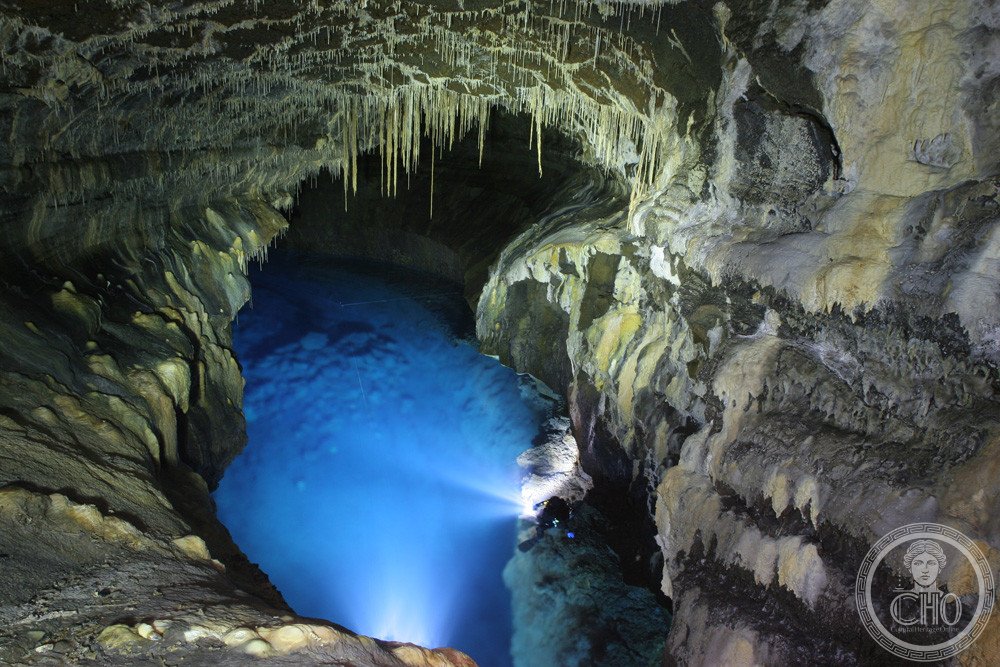
A volcanic island and underground system showcasing some of Earth’s most distinctive geological features, inscribed as a UNESCO World Heritage Site for its contribution to global volcanology.
At a glance
Jeju is South Korea’s largest island and smallest province, rising 130 kilometers from the southern coast of the Korean Peninsula. Its 1,846 square kilometers encompass diverse volcanic landscapes and the remarkable Geomunoreum Lava Tube System, making it a living laboratory for understanding volcanic processes worldwide.
History
The island’s volcanic origins shaped millennia of human settlement and cultural development. UNESCO recognition in 2007 acknowledged Jeju’s exceptional geological significance and the accessibility of its volcanic features for scientific study and public education.
What you see
The Geomunoreum Lava Tube System forms the heart of this World Heritage designation. Visitors encounter lava caves, volcanic cones, and exposed geological strata that reveal the island’s formation and ongoing volcanic character. The landscape displays multiple eruption phases across varied terrain.
Cultural significance
Jeju’s volcanic features provide invaluable insights into global volcanism and Earth sciences. The site’s educational value extends beyond geology—the island holds deep cultural importance for Korean heritage and demonstrates how natural forces have shaped both landscape and community identity.
Key facts
- Location: Jeju Province, South Korea
- Coordinates: 33.47°N, 126.72°E
- Surface area: 1,846 square kilometers
- Distance from mainland: 130 kilometers
- UNESCO World Heritage Site: Inscribed 2007
- Primary feature: Geomunoreum Lava Tube System
Practical information & getting there
Jeju is accessible by air and sea from mainland South Korea. Multiple lava tube caves and volcanic sites are open to visitors year-round. Plan your visit through Jeju tourism offices for guided tours and seasonal information.
Sources & resources
Find it on the map
See this place and what’s around it →📷 Become a Cultural Heritage Online photographer
Share your photos of places: they stay published under your name as the author. The more they're seen, the more you get noticed — and soon a contest will reward the most appreciated photos.
Log in or sign up free to add a photo