
Incense Route – Desert Cities in the Negev
Four ancient desert towns—Avdat, Haluza, Mamshit, and Shivta—once controlled a vast trade network linking Arabian frankincense and myrrh to Mediterranean ports. Their ruins preserve two millennia of commerce, ingenuity, and survival in an arid landscape.
At a glance
A UNESCO World Heritage designation encompassing four Negev desert cities that flourished as trading hubs from 300 BC to 200 AD. The sites collectively demonstrate how merchants, engineers, and farmers transformed a harsh environment into a thriving commercial corridor connecting Yemen to Gaza.
History
During the Hellenistic and Roman periods, the Incense Route channeled one of the ancient world’s most valuable commodities—frankincense and myrrh from southern Arabia—westward to Mediterranean ports. The four towns of Avdat, Haluza, Mamshit, and Shivta emerged as essential nodes in this network, each controlling sections of the route and profiting from the caravans that passed through.
The trade peaked between the 1st century BC and 1st century AD, when demand for aromatic resins for religious rituals and cosmetics drove enormous wealth into these desert settlements. By 200 AD, their dominance began to fade, though evidence of their prosperity remains embedded in the archaeological record.
What you see
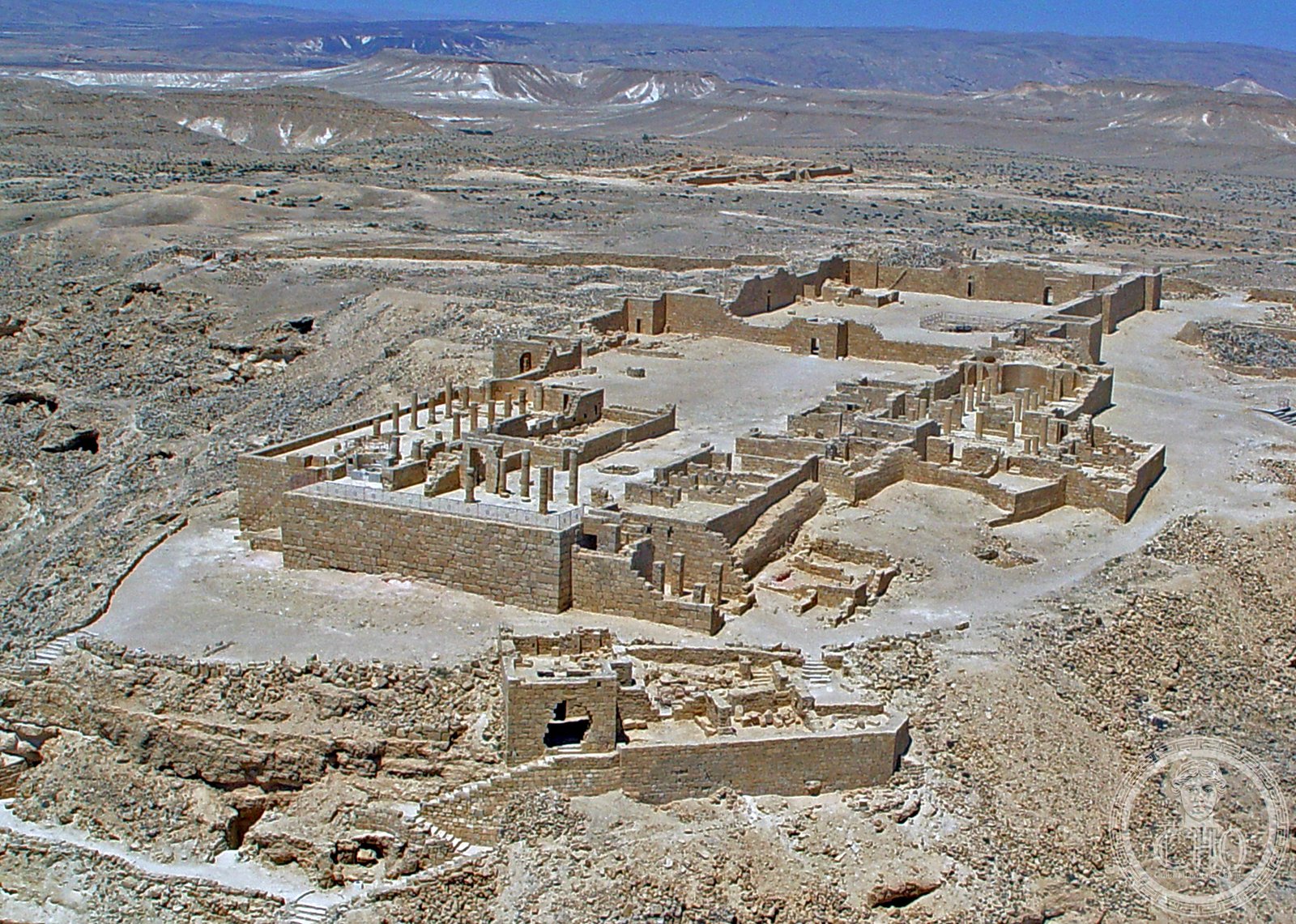
The four cities showcase remarkable adaptations to desert life. Fortresses protected caravans and trade goods. Qanat irrigation systems—underground channels—carried precious water from distant sources to support agriculture and urban populations. Caravanserai offered shelter and facilities for merchants and their animals.
Today, ruins reveal mud-brick structures, stone fortifications, cisterns, and channels. These vestiges document both the logistical infrastructure of ancient trade and the agricultural innovation necessary to sustain permanent settlement in an unforgiving landscape.
Cultural significance
The Incense Route cities represent a pivotal chapter in cross-continental commerce, predating the Silk Road as a major artery of exchange. They demonstrate how economic networks shaped settlement patterns, technological development, and cultural interaction across continents.
UNESCO recognized these sites in 2005 as outstanding examples of how ancient societies engineered solutions to scarcity and built prosperous cities far from natural advantages—through organization, innovation, and strategic positioning on trade routes.
Key facts
- Location: Negev Desert, southern Israel
- Coordinates: 30.54°N, 35.16°E
- Period of prosperity: 300 BC–200 AD
- Four principal sites: Avdat, Haluza, Mamshit, Shivta
- UNESCO World Heritage designation: 2005
- Primary trade goods: Frankincense and myrrh from Yemen
- Destination: Gaza (Mediterranean terminus)
Practical information & getting there
The four cities are located in the Negev Desert of southern Israel. To visit these archaeological sites, plan transportation in advance and bring water and sun protection. Local archaeological parks and visitor centers at Avdat and Mamshit offer interpretation and context. The sites are spread across the Negev and are best explored by car.
Sources & resources
Find it on the map
See this place and what’s around it →📷 Diventa un fotografo di Cultural Heritage Online
Condividi le tue foto dei luoghi: restano pubblicate con la tua firma come autore. Più vengono viste, più ti fai conoscere — e presto un concorso premierà le foto più apprezzate.
Accedi o registrati gratis per aggiungere una foto