
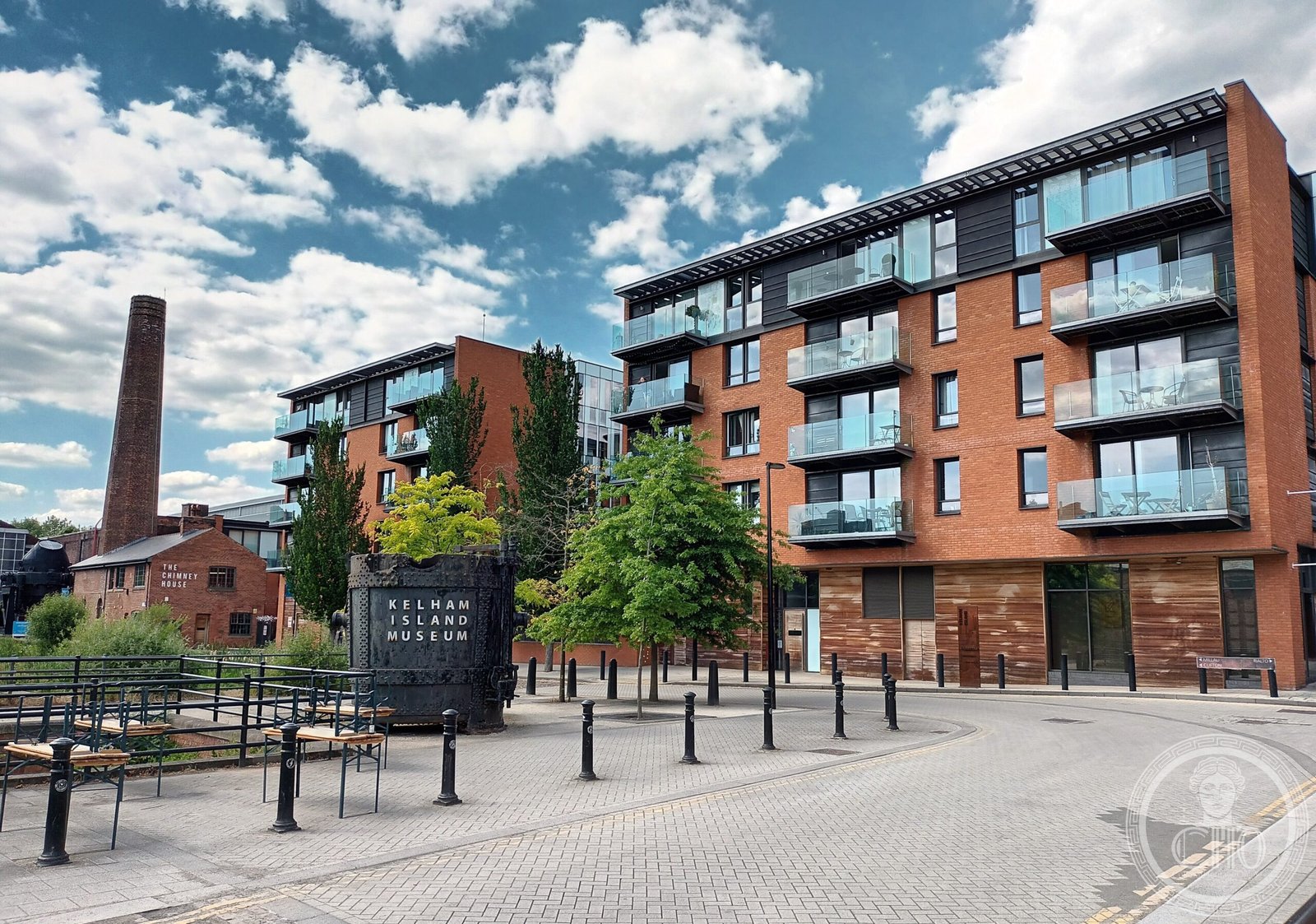
An industrial museum devoted to Sheffield’s steel-making heritage, centred on the groundbreaking Bessemer Converter that revolutionized global steel production.
At a glance
The Kelham Island Museum occupies a site on Alma Street alongside the River Don in central Sheffield. Opened in 1982, it preserves the industrial legacy of one of Britain’s most important steel-manufacturing cities. The museum’s centrepiece is the Bessemer Converter, a machine that transformed metallurgy.
History
The museum was established in 1982 to document and celebrate Sheffield’s dominant role in steel production. The Bessemer Converter, which dominated industrial steelmaking from the 1850s through the 1950s, anchors the collection and interpretation of this transformative era in manufacturing history.
What you see
The museum’s principal artifact is the Bessemer Converter itself—the industrial equipment that made mass steel production possible. The building and site along the River Don reflect the practical geography of Sheffield’s industrial past, where water access was essential to manufacturing operations.
Cultural significance
Kelham Island Museum documents a pivotal moment in global industrial history. The Bessemer Converter was the most important technique for steel production for a century, underpinning the Industrial Revolution’s second phase and enabling modern infrastructure, railways, and machinery worldwide.
Key facts
- Location: Alma Street, Sheffield, United Kingdom
- Coordinates: 53.389503, −1.472345
- Opened: 1982
- Primary collection: Bessemer Converter and steel-manufacturing equipment
Practical information & getting there
The museum is situated in central Sheffield alongside the River Don. For current opening hours, admission prices, and visitor facilities, consult the museum’s official website or contact them directly.
Sources & resources
Find it on the map
See this place and what’s around it →📷 Become a Cultural Heritage Online photographer
Share your photos of places: they stay published under your name as the author. The more they're seen, the more you get noticed — and soon a contest will reward the most appreciated photos.
Log in or sign up free to add a photoIs this page about you?
This page is read by travellers and heritage enthusiasts who find it on Google. Tell us how you are connected to this place and we will take it from there.