
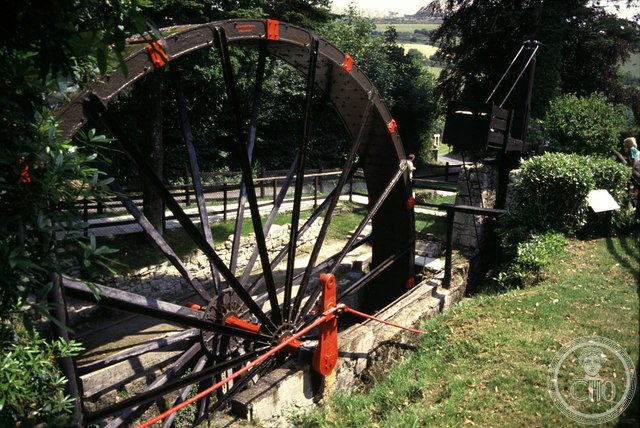
A preserved Victorian clay works and museum documenting Cornwall’s china clay mining heritage.
At a glance
Wheal Martyn occupies a historic clay-mining site near St Austell, preserving industrial structures from the Victorian era. The museum combines authentic working-site buildings with an exhibition space dedicated to china clay extraction and its role in Cornwall’s economy.
History
The site represents a working china clay operation from Cornwall’s industrial peak. Victorian-era clay works have been preserved in situ, allowing visitors to understand the scale and methods of 19th-century mining that transformed the landscape around St Austell.
What you see
The museum preserves original clay-working infrastructure from the Victorian period. An exhibition building complements the industrial structures, displaying tools, processes, and documentation of the mining operation that shaped this corner of Cornwall.
Cultural significance
China clay mining was fundamental to St Austell’s development and Cornwall’s industrial identity. Wheal Martyn documents this heritage directly through preserved buildings and equipment rather than reconstruction, offering insight into working conditions and extraction techniques that defined the region for generations.
Key facts
- Location: Carthew, on the B3274 road, approximately 2 miles (3.2 km) north of St Austell, Cornwall
- Coordinates: 50.3654°N, 4.807°W
- Period: Victorian china clay works
- Features: Preserved clay works and exhibition building
Practical information & getting there
The museum is located on the B3274 north of St Austell town centre. It remains accessible from the main road, with the site combining outdoor industrial structures and indoor exhibition spaces. Contact the museum directly for current opening hours and admission details.
Sources & resources
Find it on the map
See this place and what’s around it →📷 Become a Cultural Heritage Online photographer
Share your photos of places: they stay published under your name as the author. The more they're seen, the more you get noticed — and soon a contest will reward the most appreciated photos.
Log in or sign up free to add a photo