
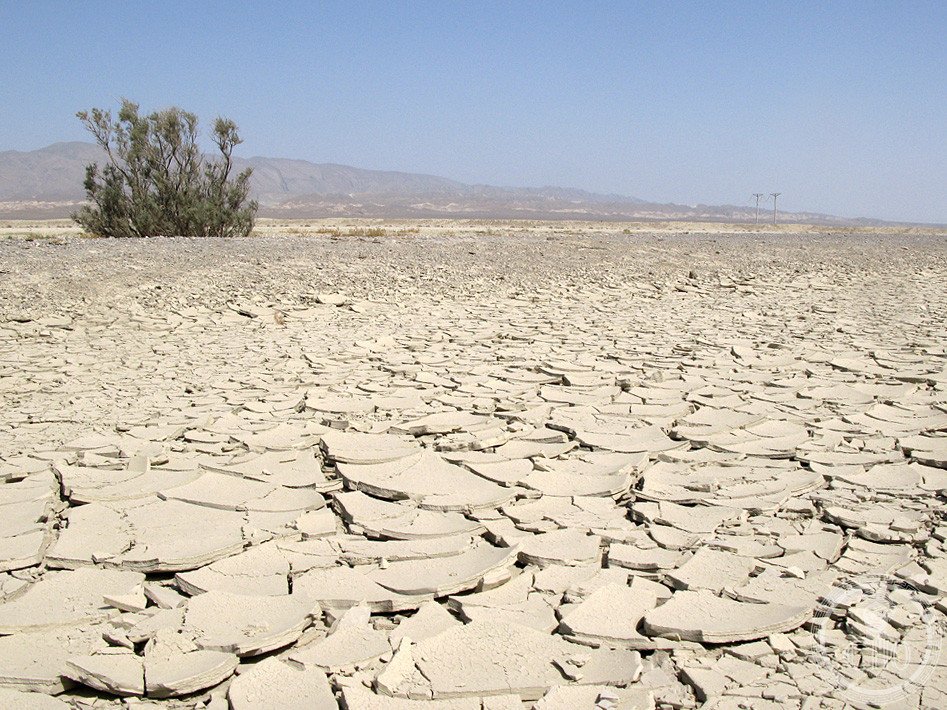
A protected desert sanctuary in Central Asia established to preserve the sand-desert ecosystem and its distinctive wildlife, including the grey monitor lizard.
At a glance
Repetek is a nature reserve spanning 346 square kilometers in the East Karakum Desert of Turkmenistan. Located roughly 70 kilometers south of Türkmenabat and near the Amu Darya river, it represents one of Central Asia’s most important protected desert environments.
History
The reserve was established in 1928 with a specific mandate: to study and preserve the unique sand-desert ecosystem of the region. This early designation reflects growing conservation awareness in the Soviet era and the region’s ecological significance.
What you see
The landscape is dominated by expansive sand dunes and sparse desert vegetation adapted to extreme aridity. The reserve’s terrain represents the classic Karakum Desert environment—a vast, open expanse with minimal shelter or water sources.
Cultural significance
Repetek is particularly notable as the habitat of the zemzen, the desert monitor lizard (Varanus griseus), a species emblematic of the Karakum’s fauna. The reserve serves as a living laboratory for understanding desert ecology and species adaptation to one of Asia’s harshest environments.
Key facts
- Country: Turkmenistan
- Location: Lebap Province, East Karakum Desert, near Amu Darya
- Area: 346 square kilometers (134 square miles)
- Established: 1928
- Coordinates: 38.606°N, 63.214°E
Practical information & getting there
The reserve lies approximately 70 kilometers south of Türkmenabat. Access to protected biosphere reserves in Turkmenistan typically requires permits and advance coordination with local authorities. Contact the reserve or Turkmenistan’s Ministry of Environmental Protection for current visiting conditions and research opportunities.
Sources & resources
Find it on the map
See this place and what’s around it →
📷 Become a Cultural Heritage Online photographer
Share your photos of places: they stay published under your name as the author. The more they're seen, the more you get noticed — and soon a contest will reward the most appreciated photos.
Log in or sign up free to add a photo