
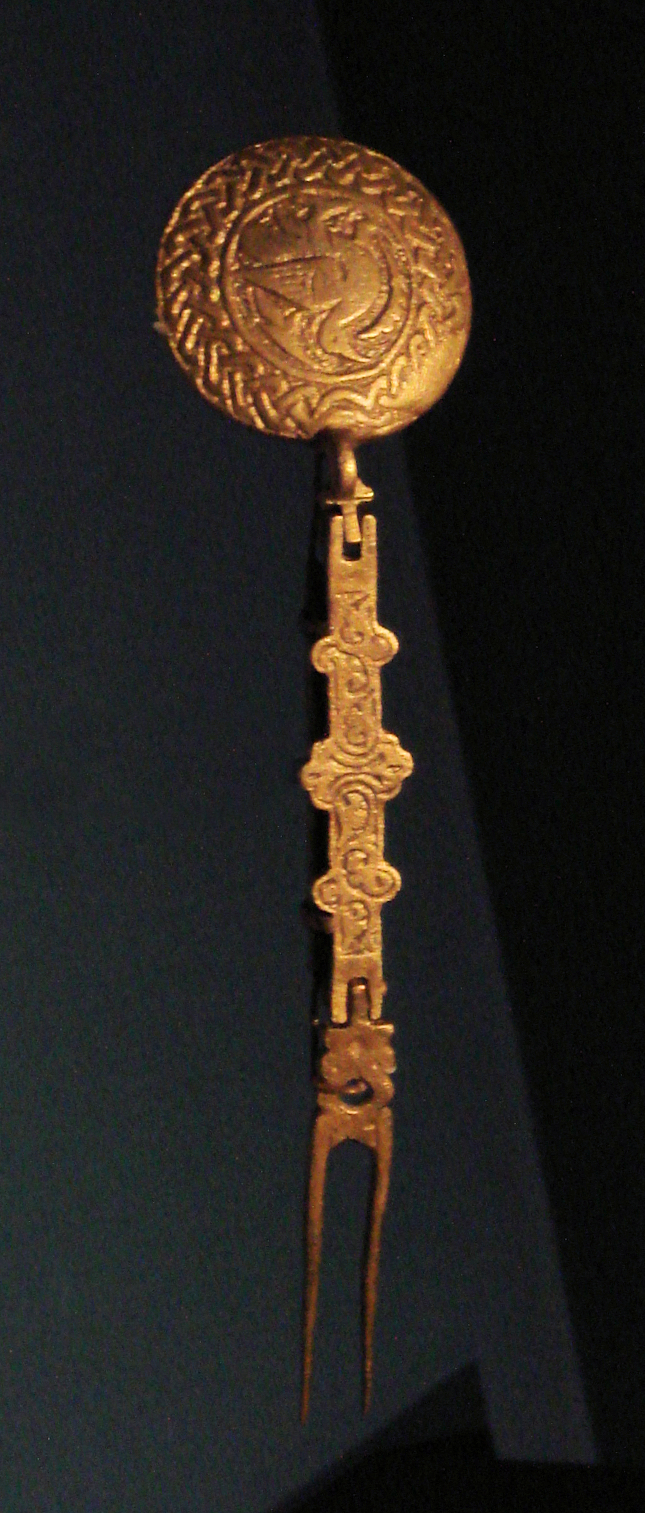
An ancient city of the Bukhara oasis, Paykend commanded the lower Zarafshan River valley as one of Central Asia’s major urban centers, with a fortified citadel, multiple settlements, and sprawling suburbs.
At a glance
Paykend (also known as Poykent or Baikand) represents a significant archaeological site documenting urban life in the Bukhara oasis. The city’s layered structure—citadel, settlements, and rabod (suburb)—reveals the hierarchical organization of medieval Central Asian towns.
History
The ancient city developed as a major settlement within the Bukhara oasis, one of Central Asia’s most productive regions. Its position on the lower Zarafshan River made it a crucial node in regional trade and administration networks. The archaeological record at Paykend documents the rise and development of urban centers that sustained the prosperity of the oasis.
What you see
The city’s layout comprises distinct functional zones. The citadel formed the administrative and defensive core. Surrounding settlements housed merchants, artisans, and residents. The rabod—a fortified outer suburb—extended the city’s boundaries and economic influence across the landscape.
Cultural significance
Paykend embodies the sophisticated urban systems that sustained the Bukhara oasis for centuries. Its archaeological remains illuminate commerce, governance, and daily life in medieval Central Asia. The site is currently under consideration for UNESCO World Heritage status, recognizing its importance to understanding the region’s historical trajectory.
Key facts
- Country: Uzbekistan
- Coordinates: 39.5870597, 64.0116725
- Location: Lower Zarafshan River, Bukhara oasis
- Structure: Citadel, settlements, and rabod (suburb)
- Status: Under consideration for UNESCO World Heritage inscription
Practical information & getting there
Paykend lies within the Bukhara oasis region of Uzbekistan. The site requires specialist archaeological knowledge to interpret; consult local guides or regional museums in Bukhara for current access and research opportunities.
Sources & resources
Find it on the map
See this place and what’s around it →📷 Become a Cultural Heritage Online photographer
Share your photos of places: they stay published under your name as the author. The more they're seen, the more you get noticed — and soon a contest will reward the most appreciated photos.
Log in or sign up free to add a photo