
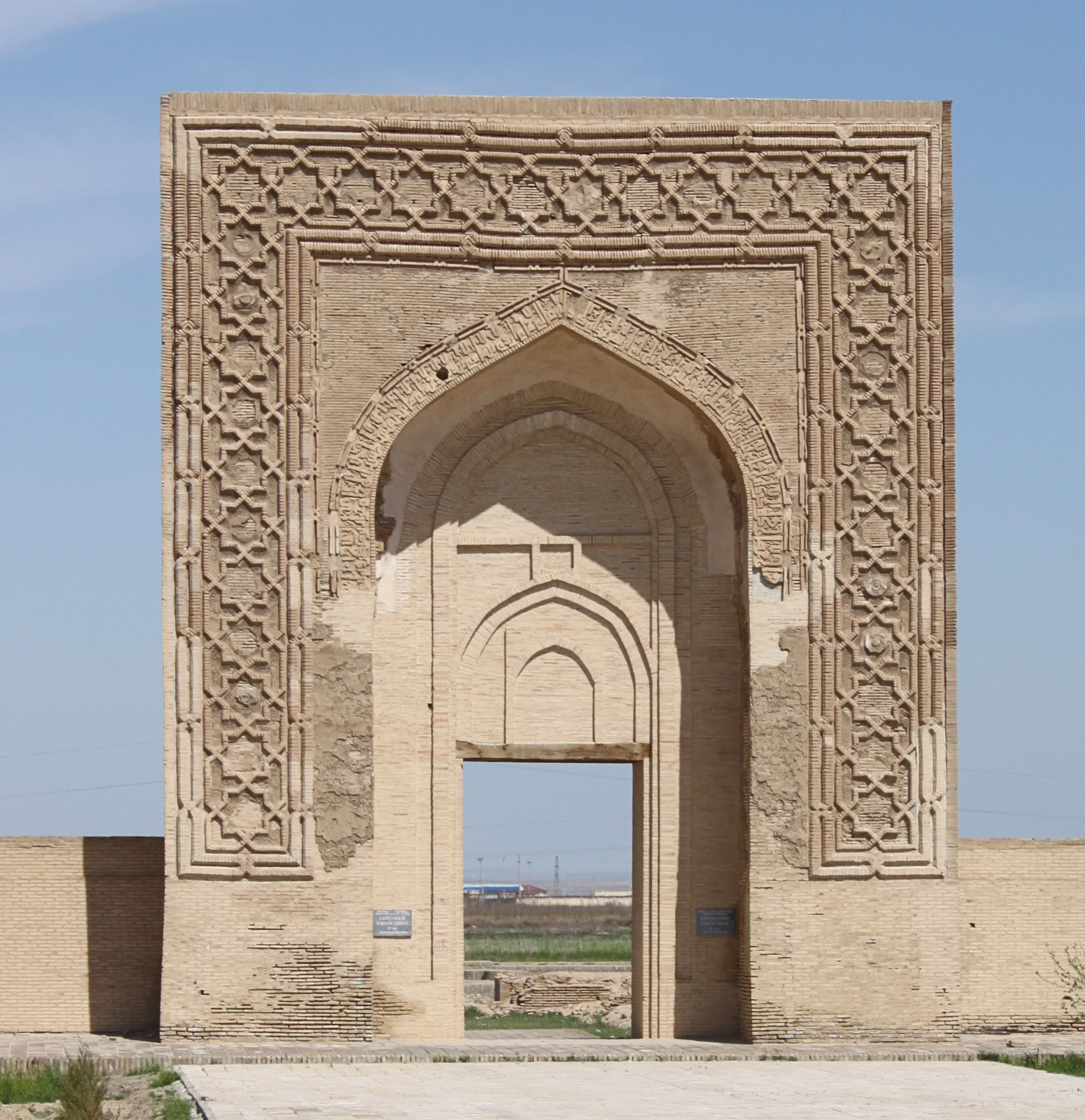
A ruined caravanserai on the Silk Road, built by a Karakhanid ruler to shelter merchants traveling between Samarkand and Bukhara.
At a glance
Rabati Malik stands as a testament to medieval Central Asian trade infrastructure. This caravanserai—a fortified inn for traveling merchants—once served the vital corridor linking two of the Silk Road’s greatest cities.
History
The caravanserai was constructed by order of Shams al-Mulk Nasr, a Karakhanid ruler and son of Tamgachkhan Ibragim, who governed Samarkand from 1068 to 1080. Built during the height of Silk Road commerce, Rabati Malik exemplified the institutional support Central Asian dynasties provided to long-distance trade networks.
What you see
Today, Rabati Malik exists as a ruin located approximately one kilometer west of the settlement of Malik in Navoiy Province. The site sits along the M37 road connecting Samarkand and Bukhara, preserving its original strategic position on the ancient trade route.
Cultural significance
The structure documents the Karakhanid dynasty’s investment in Silk Road infrastructure during an era of commercial expansion. Caravanserais like Rabati Malik were essential to medieval trade, providing security, rest, and facilities for merchants crossing vast distances through Central Asia.
Key facts
- Country: Uzbekistan
- Location: Malik, Navoiy Province
- Coordinates: 40.12277778°N, 65.14805556°E
- Built: 1068–1080
- Builder: Shams al-Mulk Nasr (Karakhanid)
Practical information & getting there
Rabati Malik lies on the M37 highway between Samarkand and Bukhara in Navoiy Province. For current access conditions and visitor facilities, contact local tourism authorities in Uzbekistan.
Sources & resources
Find it on the map
See this place and what’s around it →
📷 Become a Cultural Heritage Online photographer
Share your photos of places: they stay published under your name as the author. The more they're seen, the more you get noticed — and soon a contest will reward the most appreciated photos.
Log in or sign up free to add a photoIs this page about you?
This page is read by travellers and heritage enthusiasts who find it on Google. Tell us how you are connected to this place and we will take it from there.