
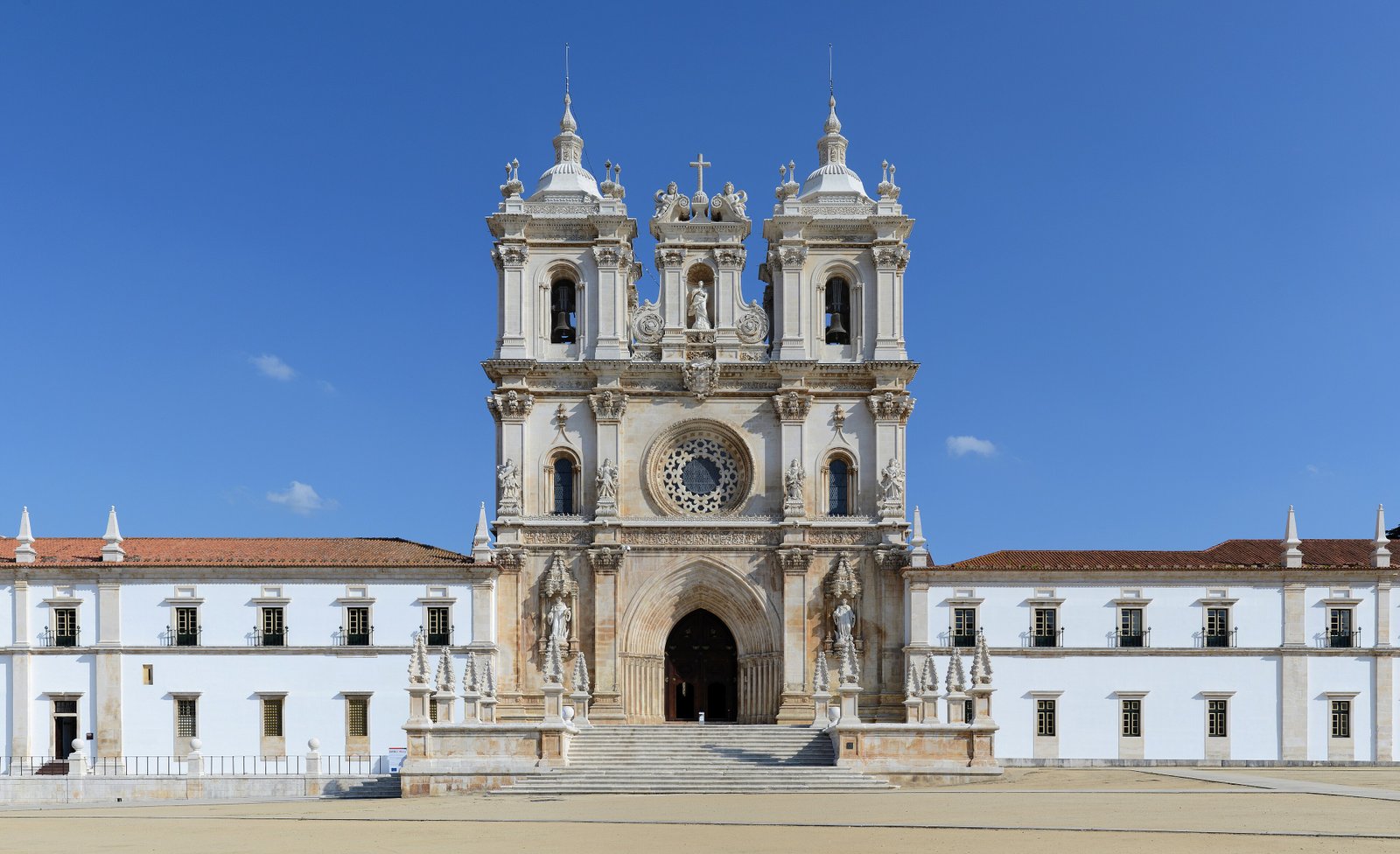
Portugal’s first Gothic building and one of medieval Europe’s most powerful monastic centers, founded by the nation’s first king and intimately tied to seven centuries of royal patronage.
At a glance
A Cistercian monastery in central Portugal that rose from royal patronage to become the country’s richest and most influential religious institution by 1300. Its early adoption of Gothic architecture marked a watershed moment in Portuguese building design.
History
King Afonso Henriques, Portugal’s first monarch, established the monastery in 1153 as an expression of royal piety and political ambition. The close relationship between crown and cloister deepened across the following centuries, securing steady donations and privileges that transformed Alcobaça into a vast enterprise.
By 1300, nearly 1,000 monks inhabited the complex, which controlled extensive properties and conducted profitable operations in farming, fishing, and trade across the region. This wealth and influence persisted until 1834, when the Portuguese dissolution of monasteries brought an end to monastic life here.
What you see
The church and monastery were the first Gothic structures built in Portugal, pioneering architectural forms that would define the nation’s medieval aesthetic. The design reflects Cistercian principles of clarity and proportion, eschewing excessive ornament in favor of soaring space and light.
Cultural significance
Alcobaça ranks among medieval Europe’s most important monastic foundations. Alongside the roughly contemporary Augustinian Monastery of Santa Cruz in Coimbra, it shaped Portuguese religious life, intellectual culture, and architectural development for centuries.
In recognition of its artistic, cultural, and historical importance, UNESCO designated it a World Heritage Site in 1989.
Key facts
- Country: Portugal
- Location: Alcobaça, Oeste region, 120 km north of Lisbon
- Coordinates: 39.548°N, 8.980°W
- Founded: 1153
- Closed: 1834
- UNESCO World Heritage Site: 1989
Practical information & getting there
Alcobaça is situated 120 km north of Lisbon and 110 km south of Coimbra in central Portugal’s Oeste region. The monastery remains accessible to visitors as a significant cultural monument. Consult local tourism resources for current opening hours, admission fees, and guided tours.
Sources & resources
Find it on the map
See this place and what’s around it →📷 Become a Cultural Heritage Online photographer
Share your photos of places: they stay published under your name as the author. The more they're seen, the more you get noticed — and soon a contest will reward the most appreciated photos.
Log in or sign up free to add a photoDo you manage this place?
This page is read by travellers and heritage enthusiasts who find it on Google. Keep it accurate — and make it work for you. Free for non-profit heritage institutions.