
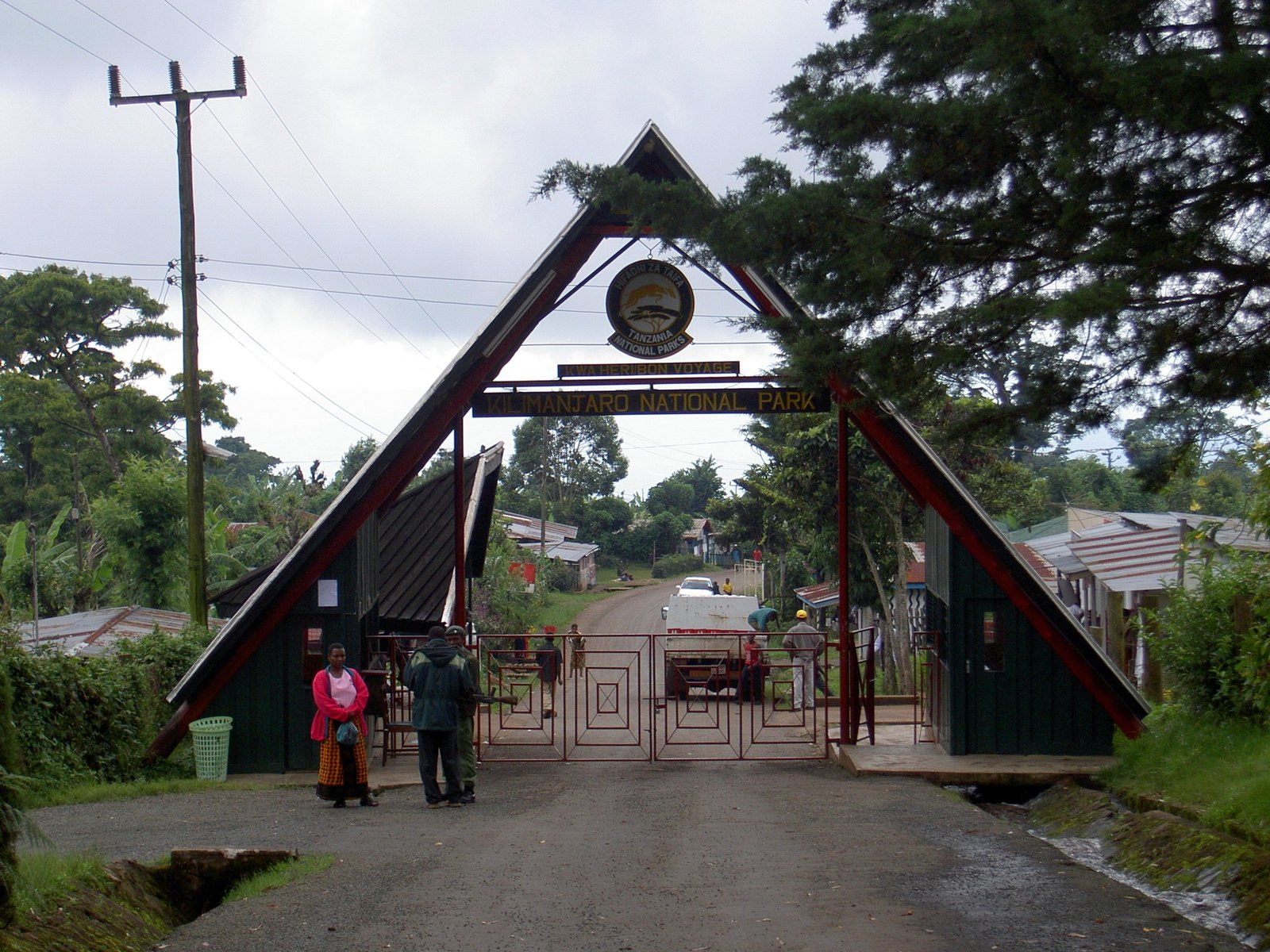
Africa’s highest mountain rises above a montane forest belt in northeastern Tanzania, drawing mountaineers and nature enthusiasts from around the world to traverse its volcanic slopes.
In UNESCO’s words
At 5,895 m, Kilimanjaro is the highest point in Africa. This volcanic massif stands in splendid isolation above the surrounding plains, with its snowy peak looming over the savannah. The mountain is encircled by mountain forest. Numerous mammals, many of them endangered species, live in the park.
At a glance
Kilimanjaro National Park protects Mount Kilimanjaro above the tree line and the surrounding montane forest, covering 1,688 square kilometres in the Kilimanjaro Region. The park encompasses alpine and subalpine ecosystems at elevations above 1,820 metres, showcasing one of Africa’s most distinctive geological and ecological features.
History
Designated a national park in 1973, Kilimanjaro achieved UNESCO World Heritage Site status in 1987, recognizing its outstanding universal value. The mountain was named one of the Seven Natural Wonders of Africa in 2013. Today it remains Tanzania’s second-highest revenue-generating national park, demonstrating sustained international interest in the region.
What you see
The park presents Kilimanjaro’s upper reaches: volcanic slopes, glaciated summit crater, and montane forest belt characterized by dense vegetation and endemic species. Visitors encounter distinct ecological zones as elevation increases, from forested foothills to alpine meadows and the barren volcanic cone.
Cultural significance
Kilimanjaro holds profound importance for global mountaineering and African natural heritage. Its accessibility to climbers of moderate fitness, combined with its ecological diversity and cultural significance to local communities, makes it one of the world’s most climbed high mountains. The mountain anchors Tanzania’s international tourism identity.
Key facts
- Country: Tanzania
- Location: Kilimanjaro Region, near Moshi, approximately 300 km south of the equator
- Area: 1,688 square kilometres
- Coordinates: 3°06’S 37°22’E
- Established: 1973
- UNESCO World Heritage Site: 1987
- Park Headquarters: Marangu (44 km from Moshi town; 86 km from Kilimanjaro International Airport)
- Administered by: Tanzania National Parks Authority (TANAPA)
Practical information & getting there
Park Headquarters is located at Marangu, accessible by road from Moshi town. Kilimanjaro International Airport is the primary international gateway. The park generated US$51 million in revenue during 2013 and recorded thousands of visitors annually. Climbing permits and accommodation options are available through TANAPA; check the park’s management guidelines for current access information and trail conditions before planning your visit.
Sources & resources
- Kilimanjaro National Park — whc.unesco.org — Kilimanjaro National Park
- World Heritage List — reference 403 — UNESCO open data, dataset whc001
- UNESCO — official film on this property — on YouTube
- Kilimanjaro National Park (United Republic of Tanzania) — UNESCO official photograph — Evergreen
- Kilimanjaro National Park — Wikipedia — consulted as a secondary reference, not as confirmation
- culturalheritageonline.com — our archive and city guides
Find it on the map
See this place and what’s around it →📷 Become a Cultural Heritage Online photographer
Share your photos of places: they stay published under your name as the author. The more they're seen, the more you get noticed — and soon a contest will reward the most appreciated photos.
Log in or sign up free to add a photo