
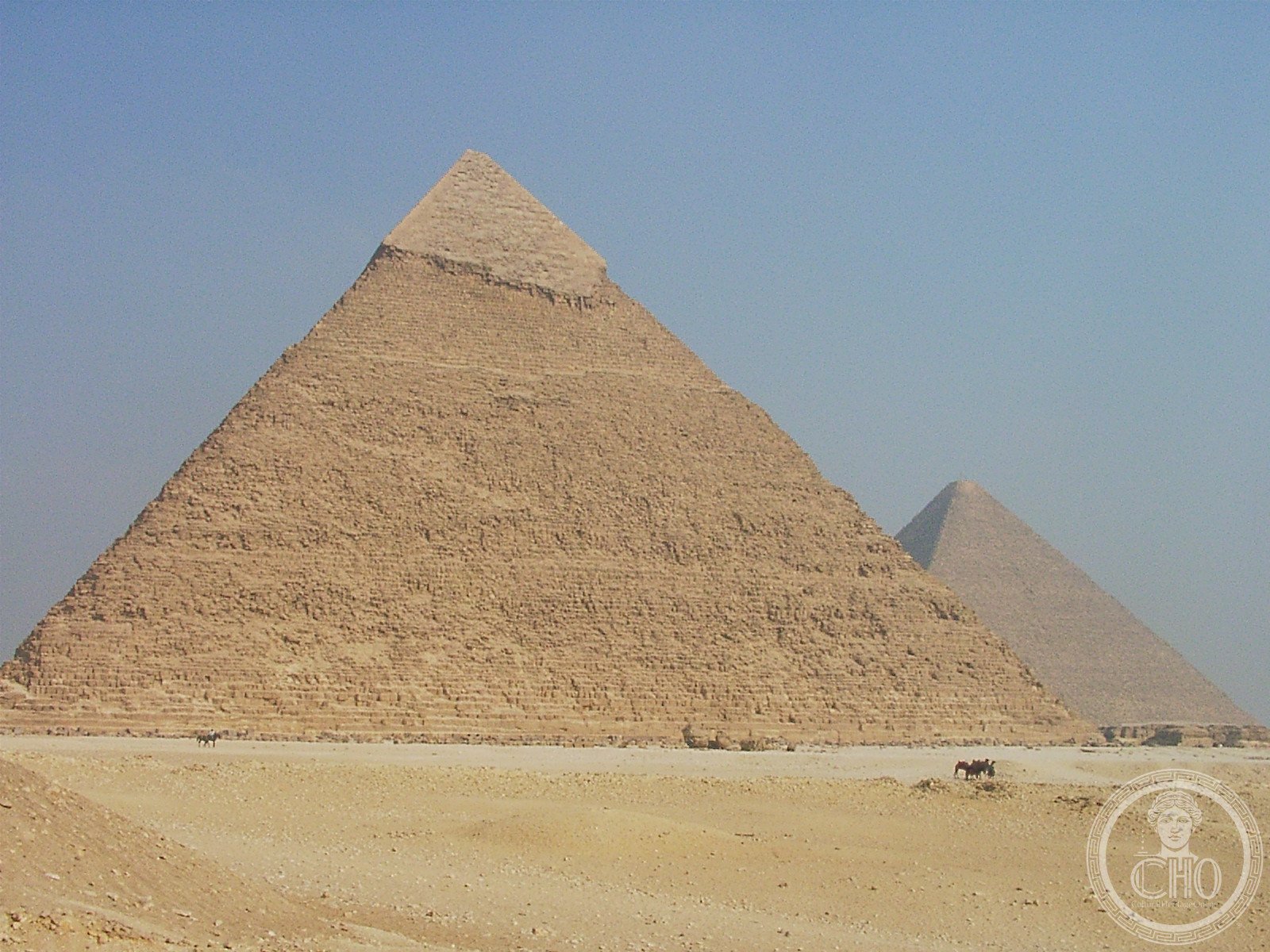
One of the world’s greatest concentrations of monumental architecture, this UNESCO World Heritage Site encompasses the ancient capital of Memphis and the sprawling pyramid complexes that served as royal burial grounds for nearly three millennia.
At a glance
The site unites two distinct but complementary zones: the remnants of Memphis itself, Egypt’s preeminent capital during the Old Kingdom, and the adjacent necropolis extending from Giza to Dahshur. This 70-kilometre stretch of the Nile valley contains the tombs and temples of pharaohs whose ambitions shaped one of history’s most enduring civilizations.
History
Memphis served as Egypt’s principal seat of power for over two thousand years, founded during the Old Kingdom and maintaining significance through the New Kingdom period. The city’s importance made it a natural location for the great necropolises—vast burial grounds where successive dynasties constructed monuments designed to endure eternity.
The pyramid fields themselves span generations of royal ambition and architectural innovation, each structure reflecting the religious beliefs and technical capabilities of its age.
What you see
The pyramids at Giza and Dahshur represent the apogee of Old Kingdom engineering, from the colossal geometric perfection of the Great Pyramids to the distinctive bent profile of the Pyramid of Senusret III. Associated temples, causeway structures, and subsidiary tombs amplify the architectural complexity of each royal complex.
At Memphis itself, fragmentary remains of temples, colossal statues, and administrative buildings survive, offering evidence of the city’s former grandeur despite centuries of stone quarrying and urban encroachment.
Cultural significance
These monuments stand as humanity’s oldest large-scale public works and among history’s most technically sophisticated achievements for their era. The pyramid fields document the evolution of funerary architecture and reveal the organizational capacity of ancient Egyptian society—the coordination of labour, materials, and resources required to build these structures remains remarkable.
The site embodies the ancient Egyptians’ theological worldview, their understanding of the cosmos, and their belief in the continuation of life beyond death.
Key facts
- Country: Egypt
- Coordinates: 29.976°N, 31.1304°E
- UNESCO World Heritage Site No. 86
- Two components: Memphis site and the pyramid fields from Giza to Dahshur
Practical information & getting there
The site is located in Lower Egypt, approximately 25 kilometres south of modern Cairo. Public transportation and guided tours are available; many visitors combine visits to Giza’s pyramids with day trips to Dahshur and Memphis. Consult current travel advisories and opening hours before visiting.
Sources & resources
Find it on the map
See this place and what’s around it →📷 Become a Cultural Heritage Online photographer
Share your photos of places: they stay published under your name as the author. The more they're seen, the more you get noticed — and soon a contest will reward the most appreciated photos.
Log in or sign up free to add a photo