Peru holds some of the Western Hemisphere’s most extraordinary UNESCO-listed places, and several of them are reachable from Lima — from the colonial plazas you can walk to this afternoon, to the desert drawings you must see from the air. From Cultural Heritage Online.
Historic Centre of Lima Within Lima — on foot
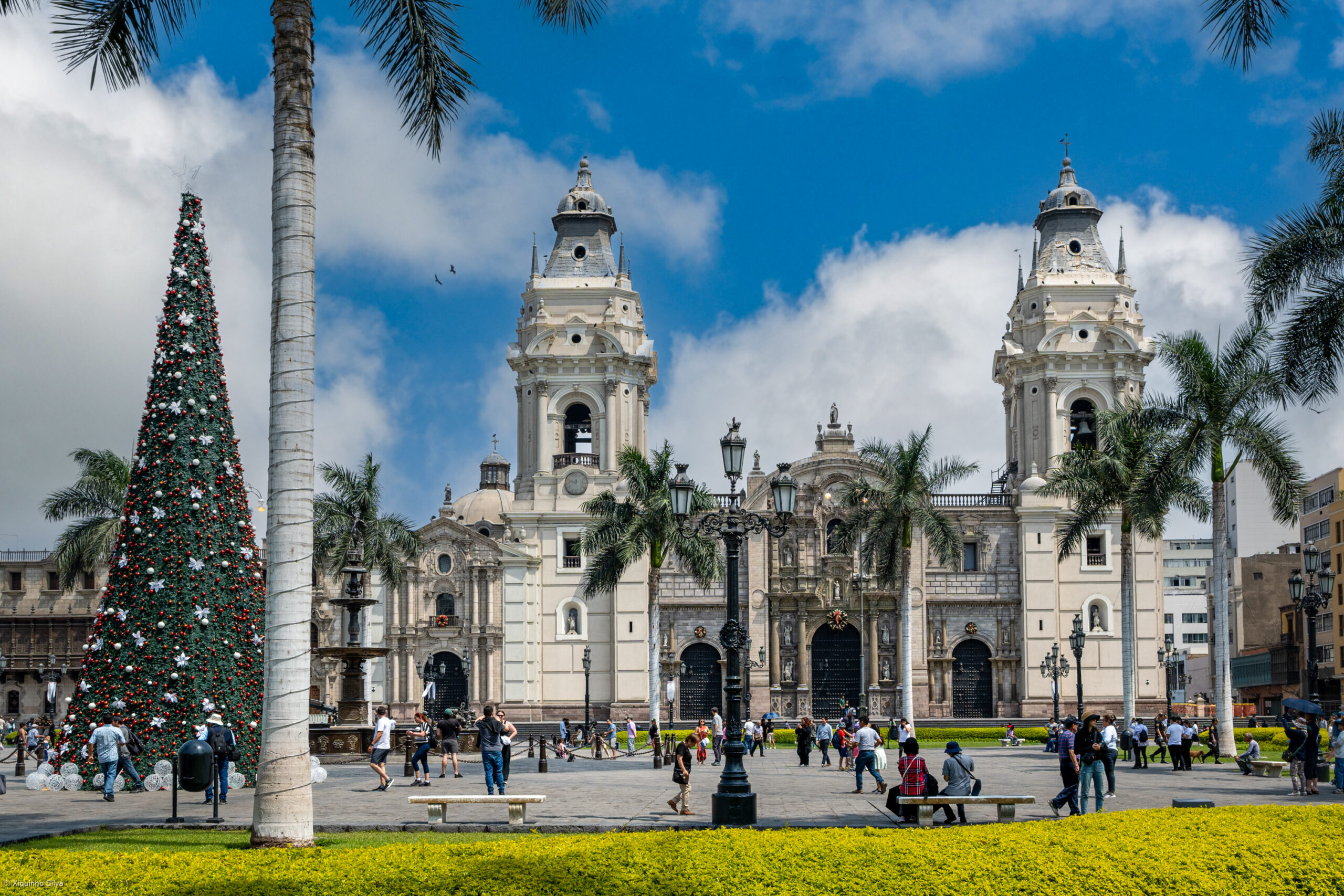
Francisco Pizarro founded Lima on 6 January 1535, laying out a grid of streets around a central plaza that remains largely intact today. UNESCO inscribed the Historic Centre in 1988, extending the boundary in 1991, recognising an urban fabric that survived earthquakes, floods, and four centuries of governance yet never entirely lost its sixteenth-century skeleton.
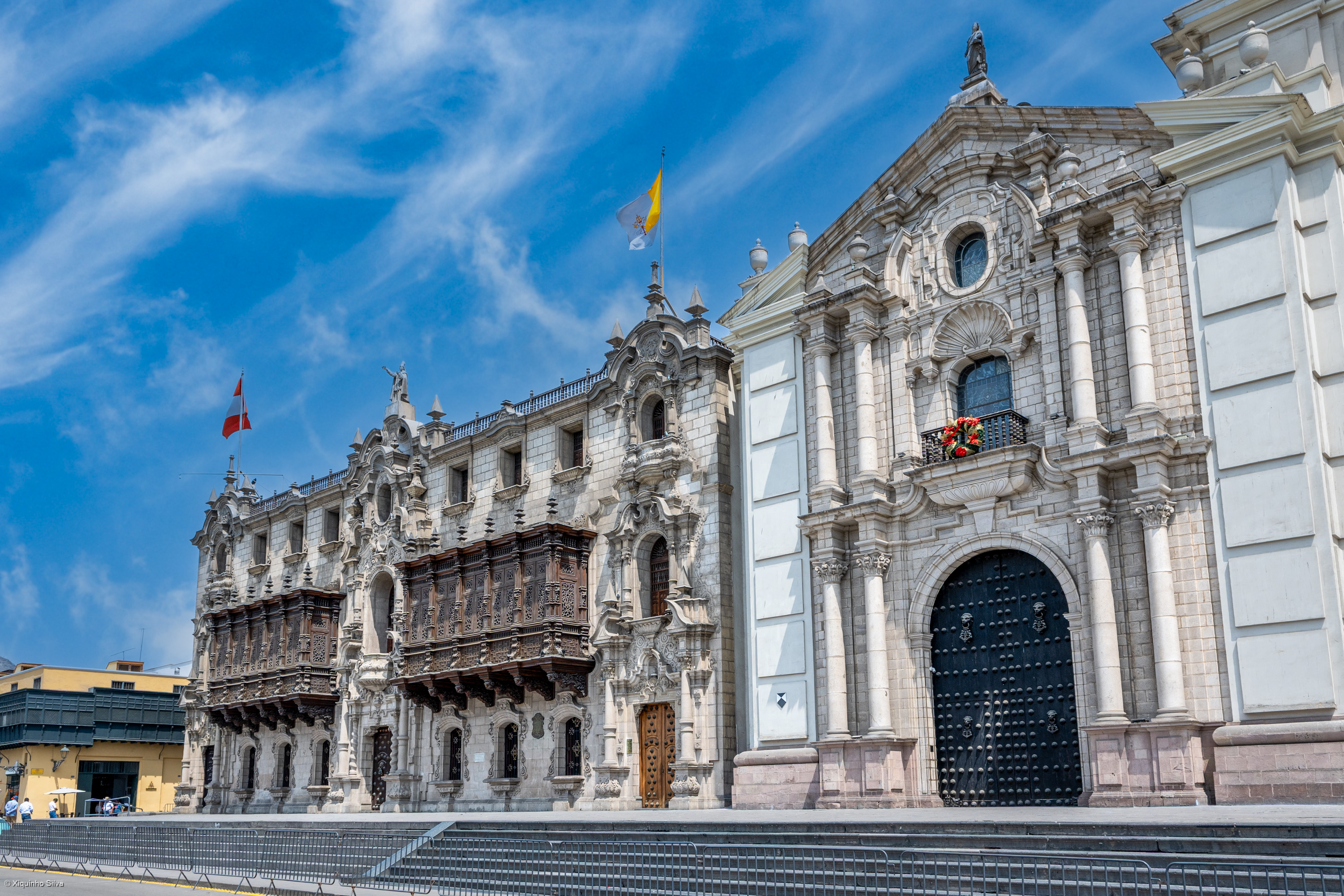
The Plaza Mayor — still called the Plaza de Armas by most limeños — is flanked by the Palacio de Gobierno on its north side and the Lima Cathedral to the east. Construction of the cathedral began in the same year the city was founded, though earthquakes forced successive rebuildings; the current structure is predominantly Spanish Baroque. Inside, a glass sarcophagus near the entrance holds the remains of Pizarro himself. Across the square, the Convent of San Francisco is another landmark: its 17th-century library holds thousands of antique volumes, but most visitors descend into the catacombs beneath, where the bones of roughly 25,000 people are arranged in circular pits and geometric patterns of skulls — a startling contrast to the gilded altars above.
Street-level, the signature element of Lima’s colonial architecture is the balcón limeño: enclosed wooden balconies projecting over the pavement, their carved lattice screens filtering the grey coastal light. Many of the finest examples line Jirón de la Unión and the streets around the Plaza San Martín, a short walk from the cathedral.
Getting there: The historic centre is walkable from the Miraflores or Barranco districts via taxi or the Metropolitano bus (30–45 min from Miraflores). Allow: Half a day minimum; a full day to include the Larco Museum and Barranco. Best for: First-time visitors, architecture enthusiasts, anyone building a Lima itinerary around culture.
Lines and Geoglyphs of Nasca and Pampas de Jumana 450 km south — 6 hr by bus or 1 hr by domestic flight
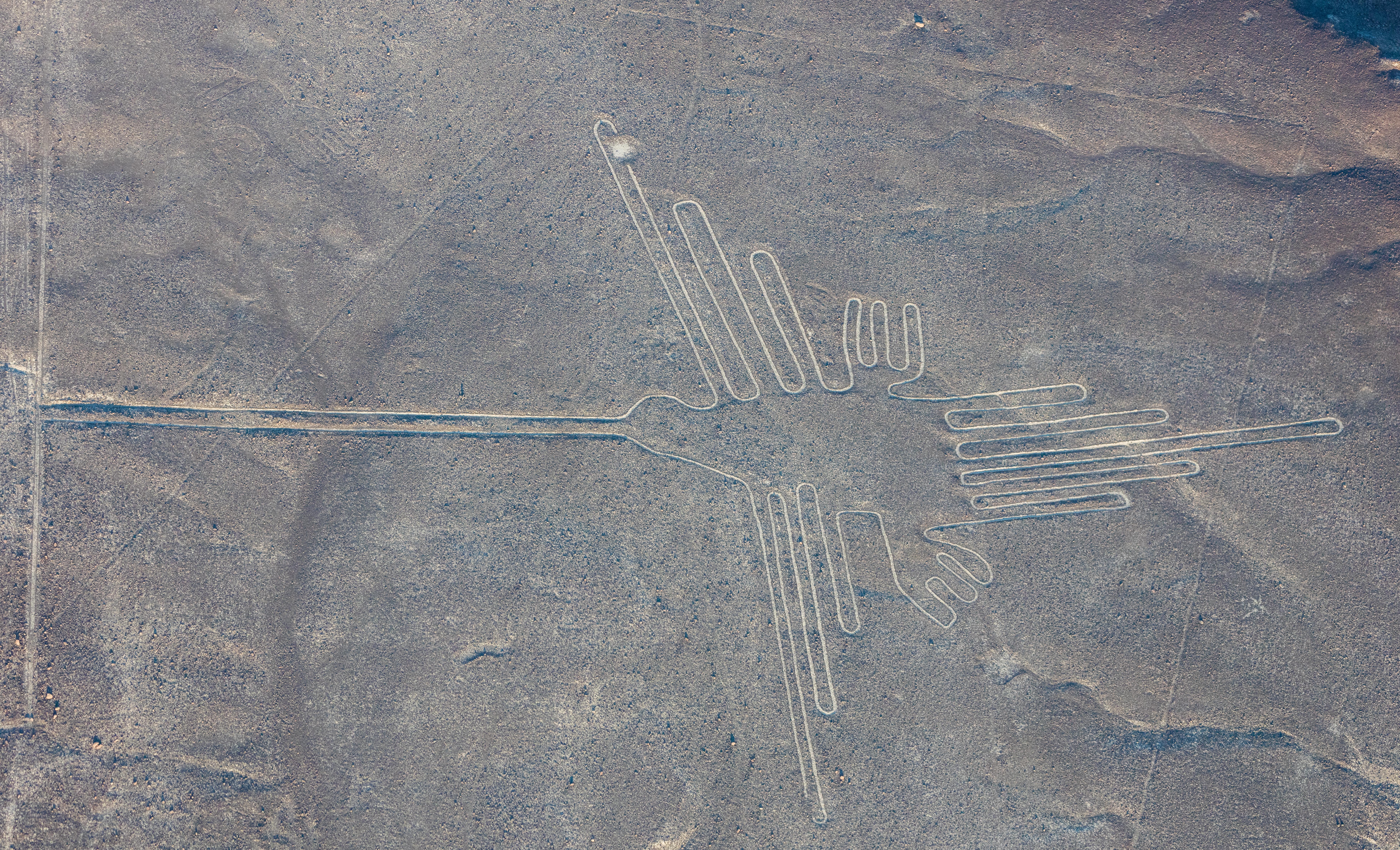
Somewhere between 500 BC and AD 500, the Nazca people removed the dark reddish surface stones of the Peruvian coastal desert and piled them at the edges of their lines, exposing the pale yellowish ground beneath. The result — only fully legible from altitude — is one of the ancient world’s most debated ensembles: hundreds of geometric lines, trapezoids, and spirals, alongside figurative drawings of animals and plants whose outlines run for hundreds of metres without a single visible correction. UNESCO inscribed the site in 1994.
The hummingbird stretches 96 metres wing to wing. The condor measures 139 metres. The spider, the monkey, the whale — each is drawn in a single continuous line that returns to its starting point. From a small observation tower beside the Pan-American Highway you can glimpse two or three geometric figures, but the animal geoglyphs are only coherent from a light aircraft. Flights depart from Ica or Pisco and last about 30–40 minutes; the planes bank sharply over each figure so passengers on both sides can see. Motion sickness is common, and the desert heat below amplifies turbulence in the afternoon.
Getting there: Cruz del Sur and other bus companies operate overnight or morning coaches Lima–Ica (4–4.5 hr), then shared taxi or bus to Nazca (2 hr further). Alternatively, a domestic flight to Ica cuts the journey to around 1 hr. Overflight tours cost USD 70–150 depending on departure airport and operator. Allow: Overnight (arrive afternoon, fly morning when air is calmer), or a long day if you fly to Ica. Best for: Travellers comfortable with small aircraft; archaeology and mystery enthusiasts.
Archaeological Zone of Chavín (Chavín de Huántar) 340 km north via Huaraz — 7–8 hr by road, or 1 hr to Huaraz + 3 hr onward
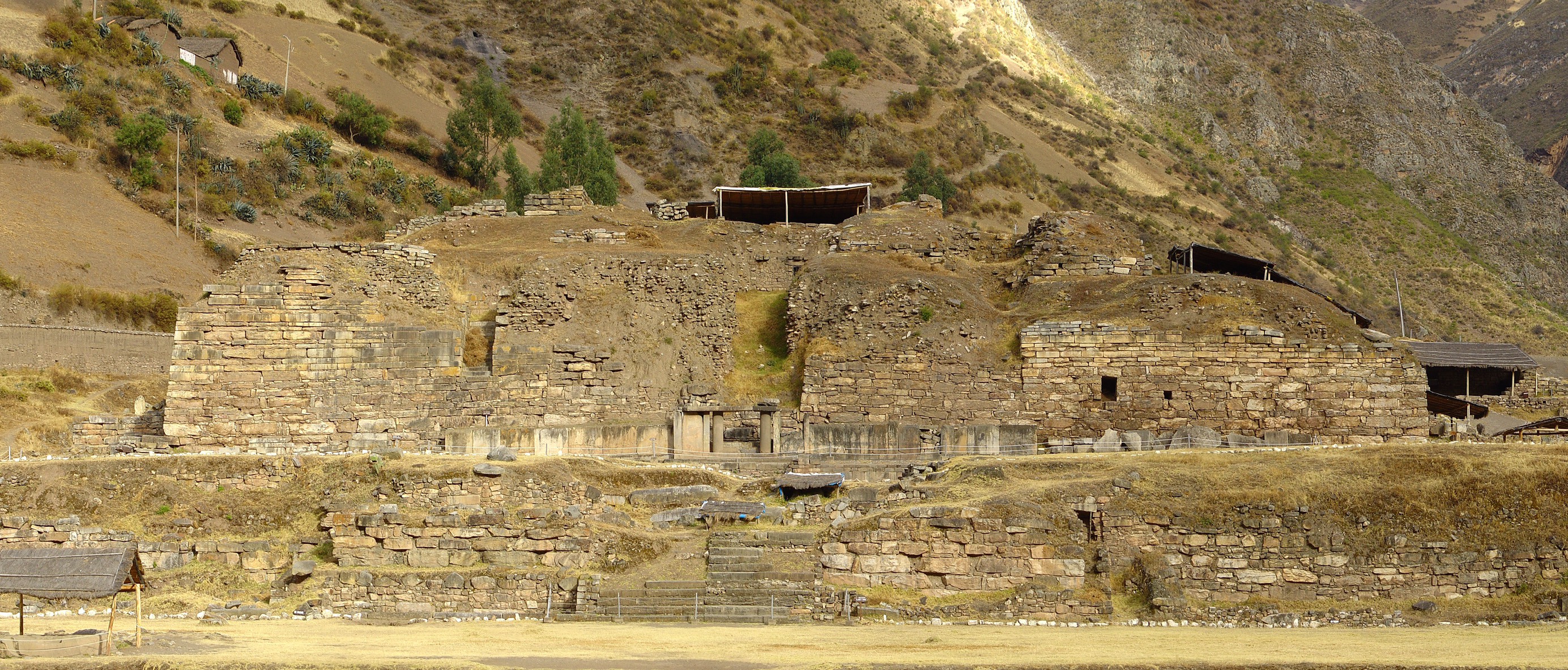
Long before the Inca, the Chavín culture built a ceremonial centre at a river confluence 3,177 metres above sea level in the Ancash highlands. Active from around 900 to 200 BC, Chavín de Huántar drew pilgrims from across the Andes — its prestige style, characterised by fanged supernatural beings rendered in flat, interlocking forms, spread through trade and ritual influence over an enormous territory. UNESCO inscribed the site in 1985.
The most remarkable feature is underground. A labyrinth of stone-lined galleries runs beneath the main platform, ventilated by a shaft system that still circulates fresh air after three millennia. At the heart of the galleries stands the Lanzón: a 4.5-metre granite stela carved into a fanged anthropomorphic deity, its base sunk into the floor and its point wedged into the ceiling above, unmoved since the priests who used it last left the chamber. The acoustic properties of the galleries — tested by researchers using pututus, Andean conch-shell trumpets — suggest that sound was integral to the rituals performed here.
Getting there: The standard route is Lima to Huaraz by overnight bus (8 hr), then a 3-hour shared minibus or taxi to Chavín via the Cahuish tunnel. Several agencies in Huaraz run day tours. Allow: A full day from Huaraz; at minimum two nights in Huaraz to acclimatise to altitude before the descent to Chavín. Best for: Pre-Columbian archaeology enthusiasts, travellers combining with Cordillera Blanca trekking.
Frequently Asked Questions
How many UNESCO World Heritage Sites are near Lima?
Three UNESCO sites are commonly visited from Lima: the Historic Centre of Lima (inscribed 1988, extended 1991), the Lines and Geoglyphs of Nasca and Pampas de Jumana (1994), and the Archaeological Zone of Chavín (1985). Machu Picchu (1983) is also reachable from Lima by domestic flight to Cusco, though it involves a considerably longer journey of at least two full days.
How do you get from Lima to the Nazca Lines?
The fastest option is a domestic flight from Lima’s Jorge Chávez International Airport to Ica (approximately 1 hour), then a 45-minute taxi to Nazca or Pisco for the overflight. By bus, Cruz del Sur and Oltursa run comfortable coaches on the Lima–Ica–Nazca route; the total journey takes 6–7 hours. Overflight tours operate from both Ica and Nazca airports, with most travellers opting to sleep in Ica or Nazca and fly early morning when air is calmer and visibility is best.
What is the best time of year to visit Lima’s UNESCO sites?
Lima itself is accessible year-round, though the coastal garúa (fog) from June to October makes the city feel overcast. For the Nazca Lines, the dry season (April–October) offers clear skies for overflights; afternoon thermal winds can make flights bumpy regardless of season, so morning departures are preferable. Chavín de Huántar sits in a highland valley: the dry season (May–September) is ideal for road access and trekking. Combining all three in one trip requires at minimum ten days.
What makes Chavín de Huántar significant among Andean sites?
Chavín de Huántar predates the Inca by more than a thousand years and functioned as one of the earliest pan-Andean ceremonial centres on record. Its importance lies not in imperial scale but in cultural reach: Chavín iconography — the fanged deity, the Staff God, the interlocking profile figures — appears in textiles, ceramics, and metalwork across a territory stretching from the northern coast to the southern highlands, suggesting a shared religious or prestige system that influenced later Andean civilisations. The site’s underground galleries, with their sophisticated ventilation and acoustics, indicate that the Chavín built for deliberate sensory effect, not just permanence.
Sources
- S1 — Burger, Richard L. Chavin and the Origins of Andean Civilization. Thames & Hudson, 1992. ISBN 978-0-500-27816-1.
- S2 — Aveni, Anthony F. Between the Lines: The Mystery of the Giant Ground Drawings of Ancient Nasca. University of Texas Press, 2000. ISBN 978-0-292-70496-1.
Spotted an error? Write to editorial@culturalheritageonline.com and we correct it the same day.