
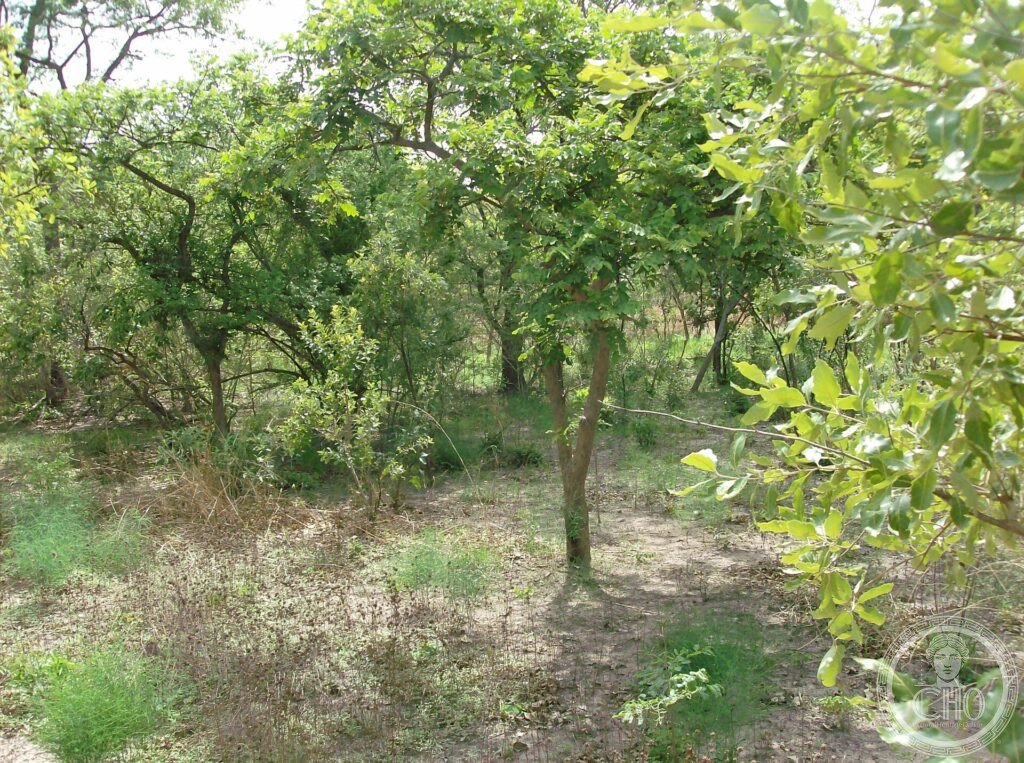
Lungo le rive del fiume Gambia, nel sud-est del Senegal, si estende una delle ultime grandi savane intatte dell’Africa occidentale. Foreste a galleria, praterie e zone umide del Niokolo-Koba ospitano leoni, elefanti, ippopotami e la maestosa antilope di Derby, la più grande del mondo, in un mosaico di habitat ricco di vita.
At a glance
Niokolo-Koba National Park, along the upper Gambia River in south-eastern Senegal, protects one of the last large areas of intact savanna in West Africa. Its mosaic of gallery forest along the rivers, open grassland, woodland and wetlands shelters a rich fauna, including lions, leopards, elephants, hippos, chimpanzees and the giant Derby eland, the largest antelope in the world. Recognised for this biodiversity, it was inscribed by UNESCO in 1981.
Key facts
- UNESCO: World Heritage since 1981 (Niokolo-Koba National Park)
- West African savanna: one of the last large intact areas
- Gambia River: gallery forests line the upper river
- Derby eland: the largest antelope in the world
- Big game: lions, leopards, elephants and hippos
- Chimpanzees: at the western edge of their range
History
The Niokolo-Koba country, watered by the upper Gambia and its tributaries, long supported a rich savanna wildlife and small human communities. Protected as a reserve and then a national park, and inscribed by UNESCO in 1981, it became a refuge for species declining elsewhere in West Africa, including the spectacular giant Derby eland.
In the late 20th and early 21st centuries poaching, the loss of prey and pressure on the land caused wildlife numbers to fall, and the park was placed on the List of World Heritage in Danger. Strengthened protection and anti-poaching efforts brought a recovery, and it was removed from the danger list, though the park remains a focus of conservation in the region.
What you see
Tracks through the park lead along the Gambia River and its gallery forests, across grassy plains and woodland where antelopes — including the giant eland — warthogs, baboons and, with luck, elephants or lions may be seen, and to riverside spots where hippos and crocodiles gather. Birdlife is abundant along the waters.
The wide West African savanna, threaded by the green river forests, is the character of Niokolo-Koba.
Practical information
- Park: visited by vehicle, usually with guides; the dry season is best
- Best time: the dry season (roughly December–May)
- Time needed: one to two days
- Setting: in south-eastern Senegal, near the Guinea border
Getting there
Niokolo-Koba National Park is in south-eastern Senegal, along the Gambia River near Tambacounda, reached by road from Tambacounda and Kédougou. GPS: 13.00° N, 12.70° W.
Nearby
- Tambacounda — the regional town and gateway
- Kédougou — the town toward the Guinea highlands
- Bassari Country — the UNESCO cultural landscape to the south
Sources
- UNESCO World Heritage Centre — “Niokolo-Koba National Park” (ref. 153)
- Senegalese Directorate of National Parks — official body
- Encyclopaedia Britannica — Senegal
Find it on the map
See this place and what’s around it →📷 Become a Cultural Heritage Online photographer
Share your photos of places: they stay published under your name as the author. The more they're seen, the more you get noticed — and soon a contest will reward the most appreciated photos.
Log in or sign up free to add a photo