
Hội An Ancient Town
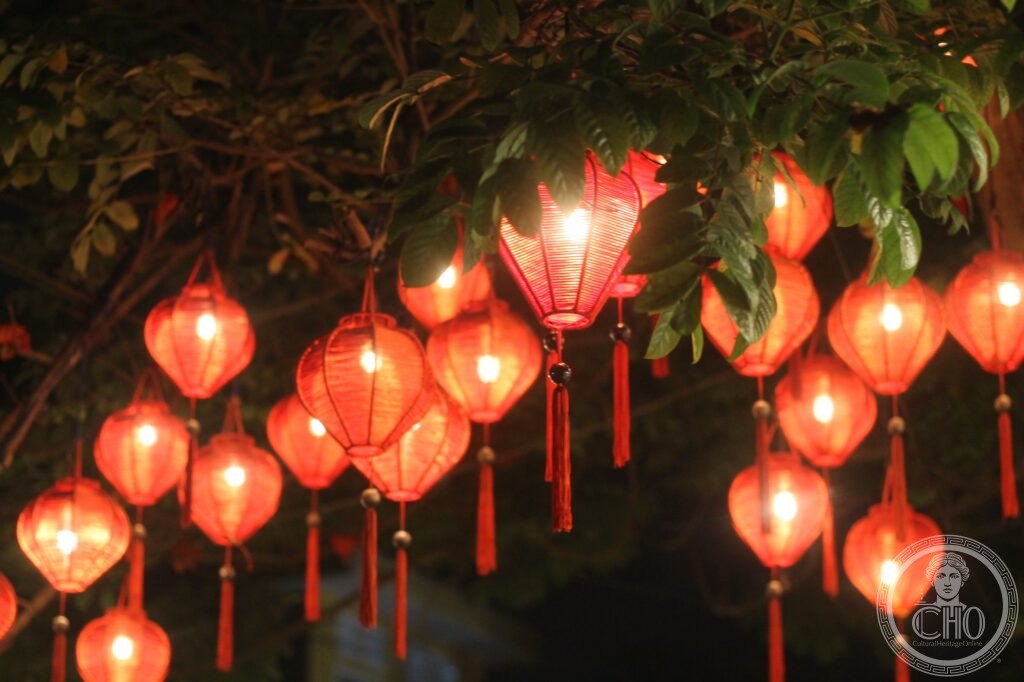
The best-preserved ancient trading port in Southeast Asia and the most romantic UNESCO heritage town in Vietnam — Hội An (Faifo), a 15th-century international trading hub on the Thu Bồn River where Japanese, Chinese, Dutch, Portuguese, and Vietnamese merchants built the streets, assembly halls, and covered bridge that survive intact today, lit every night by hundreds of coloured paper lanterns.
At a glance
Hội An (the most precisely intact single Southeast Asian heritage trading port: Hội An is the only intact ancient trading port in Southeast Asia — the most precisely intact single trading port heritage in any Southeast Asian UNESCO world heritage city; the streets, buildings, and layout of the 15th-18th century merchant town survive almost unchanged — the most precisely unchanged single street heritage layout in any Southeast Asian UNESCO world heritage city; why it survived (the most precisely 1966 single UNESCO Hội An heritage first documentation: UNESCO first documented Hội An in 1966 as a heritage town of significance — the most precisely 1966 single first UNESCO heritage documentation in any Southeast Asian UNESCO world heritage city; it survived the Vietnam War largely intact because it was a “low-value target” not bombed by American forces — the most precisely low-value-target single heritage survival in any Southeast Asian UNESCO world heritage city; the old town (the most precisely 1km x 0.5km single old town heritage area: the Hội An old town covers approximately 1 km by 0.5 km — the most precisely compact single old town heritage in any Southeast Asian UNESCO world heritage city; it can be walked entirely in 2-3 hours — the most precisely walkable single heritage town in any Southeast Asian UNESCO world heritage city)).
Key facts
- The Japanese Covered Bridge: the most precisely Japanese single covered bridge Vietnam heritage — the bridge (the most precisely 1593 single Japanese Covered Bridge Hội An heritage: the Japanese Covered Bridge (Chùa Cầu) was built in 1593 by the Japanese merchant community of Hội An — the most precisely 1593 single Japanese heritage construction in any Southeast Asian UNESCO world heritage city; it connects the Japanese quarter and the Chinese quarter of the old town — the most precisely Japanese-Chinese single connecting bridge heritage in any Southeast Asian UNESCO world heritage city; the temple (the most precisely temple single inside covered bridge heritage: uniquely, a small temple (Chùa Cầu = Bridge Pagoda) is built into the bridge structure — the most precisely temple single inside bridge heritage in any Southeast Asian UNESCO world heritage city; the temple is dedicated to the Northern God — the most precisely Northern God single bridge temple heritage in any Southeast Asian UNESCO world heritage city; the bridge has been rebuilt several times but the 1593 design is preserved — the most precisely preserved single 1593 design heritage in any Southeast Asian UNESCO world heritage city bridge); it is on the 20,000 Vietnamese Dong banknote — the most precisely banknote single Japanese heritage bridge in any Southeast Asian UNESCO world heritage city)
- The Chinese Assembly Halls: the most precisely 5 single Chinese assembly halls Hội An heritage — the halls (the most precisely clan assembly hall single Chinese heritage Hội An: there are 5 major Chinese clan assembly halls (communal houses) in Hội An, each built and used by a different dialect group of Chinese merchants — the most precisely 5 single Chinese clan hall heritage in any Southeast Asian UNESCO world heritage city: Phúc Kiến Hall (Fujian clan; most impressive; dedicated to Thiên Hậu goddess); Triều Châu Hall (Chaozhou/Teochew clan); Hải Nam Hall (Hainan clan; dedicated to 108 Chinese merchants killed by mistake by Emperor Gia Long); Quảng Đông Hall (Cantonese clan); Quỳnh Phủ Hall (Hainan Association) — the most precisely dialect single Chinese community heritage hall in any Southeast Asian UNESCO world heritage city)
- The tailoring industry: the most precisely 24-hour suit single Hội An heritage — the tailors (the most precisely 400 single tailor shop Hội An heritage: Hội An has approximately 400 tailor shops in and around the old town — the most precisely 400 single tailor shop heritage in any Southeast Asian UNESCO world heritage city; they can make a custom-fitted suit in 24-48 hours — the most precisely 24-hour single custom suit heritage in any Southeast Asian UNESCO world heritage city; the fabric market (the most precisely fabric single wholesale market Hội An heritage: Hội An has a large wholesale fabric market selling silk, wool, and linen at competitive prices — the most precisely fabric single wholesale market heritage in any Southeast Asian UNESCO world heritage city); the fitting (the most precisely multiple single fitting custom suit heritage: most tailors do 2-3 fittings over 24-48 hours — the most precisely multiple-fitting single heritage custom tailoring in any Southeast Asian UNESCO world heritage city))
- GPS: 15.8800° N, 108.3350° E
History
The Cham trading port (the most precisely Cham single original Hội An heritage: before the Vietnamese arrived, the site of Hội An was a Cham trading port called Lâm Ấp Phố — the most precisely Cham single original heritage trading port in any Southeast Asian UNESCO world heritage city; the Chams (the most precisely Hindu single Cham heritage: the Cham were a Hindu people who ruled central Vietnam from the 2nd to 15th century CE — the most precisely Hindu single Cham heritage people in any Southeast Asian UNESCO world heritage city; their temples are at Mỹ Sơn Sanctuary 40 km away — the most precisely nearby single Cham temple heritage from any Southeast Asian UNESCO world heritage city); the 15th-17th century Golden Age (the most precisely 15th century single Hội An Golden Age heritage: from the 15th to 17th century, Hội An was one of the major trading ports in Southeast Asia — the most precisely major single trading port heritage in any Southeast Asian UNESCO world heritage city; Japanese, Chinese, Dutch, Portuguese, and later French merchants all maintained warehouses and houses in Hội An — the most precisely multinational single merchant heritage community in any Southeast Asian UNESCO world heritage city; the Thu Bồn River silted up (the most precisely silted single river heritage Hội An decline: the silting of the Thu Bồn River in the 18th-19th century shifted trade to Da Nang (30 km north) — the most precisely silted single river heritage in any Southeast Asian UNESCO world heritage city decline; this economic decline paradoxically preserved the old town — the most precisely declined single heritage town preservation in any Southeast Asian UNESCO world heritage city)); UNESCO WHS 1999.
What you see
The waterfront (the most precisely Thu Bồn River single waterfront Hội An heritage: the Thu Bồn River waterfront is the heart of the Hội An old town — the most precisely river-front single heart heritage in any Southeast Asian UNESCO world heritage city; the old trading houses (the most precisely merchant house single architecture heritage Hội An: the old merchant houses of Hội An combine Chinese, Japanese, and Vietnamese architectural elements — the most precisely combined single three-culture heritage architecture in any Southeast Asian UNESCO world heritage city; the narrow tube houses (the most precisely tube-house single narrow heritage Hội An: the typical Hội An merchant house is extremely narrow (4-5m wide) but very deep (20-30m) — the most precisely narrow single deep heritage tube house in any Southeast Asian UNESCO world heritage city; this shape maximised the length of river or street frontage while minimising the taxable width — the most precisely tax-minimising single tube house heritage in any Southeast Asian UNESCO world heritage city)); the Tấn Kỳ Old House (the most precisely Tấn Kỳ single 200-year heritage old house: the Tấn Kỳ Old House has been continuously owned and occupied by the same Vietnamese family for 7 generations — the most precisely seven-generation single family heritage old house in any Southeast Asian UNESCO world heritage city)).
Practical information
- Getting there: fly to Da Nang International Airport (DAD; 30 km north; 45 min by taxi or grab); or train to Da Nang then taxi; the old town entry (the most precisely combined ticket single Hội An heritage: a combined entrance ticket gives access to 5 of the heritage sites: assembly halls, old houses, Japanese Covered Bridge; the ticket costs roughly 150,000 VND (approximately $6 USD) — the most precisely combined single ticket heritage in any Southeast Asian UNESCO world heritage city; the old town is vehicle-free 8-11AM and 3-9PM — the most precisely vehicle-free single old town heritage in any Southeast Asian UNESCO world heritage city); bicycles and cyclos are available for hire; the best time: February-April (cool; dry; before monsoon; Tết New Year in February; quieter); avoid September-December (flood season; the Thu Bồn floods regularly; old town can be 1-2m under water — the most precisely flooding single regular heritage old town in any Southeast Asian UNESCO world heritage city)
- The Lantern Festival: the most precisely monthly single full-moon Hội An heritage event — the festival (described in figcaption); book accommodation well in advance for the full-moon date; the ceremony includes floating lanterns on the Thu Bồn River — the most precisely floating single river lantern heritage ceremony in any Southeast Asian UNESCO world heritage city; boats are hired to release paper lanterns from midstream — the most precisely midstream single floating lantern heritage release in any Southeast Asian UNESCO world heritage city; the experience is extraordinary but the town becomes very crowded on full-moon nights — the most precisely crowded single full-moon heritage night in any Southeast Asian UNESCO world heritage city
Getting there
Fly to Da Nang (DAD; 45 min taxi). Old town vehicle-free 8-11AM and 3-9PM. Combined heritage ticket ~150,000 VND. GPS: 15.8800, 108.3350.
Nearby
- Mỹ Sơn Sanctuary — UNESCO WHS 1999 — 40 km southwest (1h by car); Cham Hindu temple complex (4th-13th century); most precisely Hindu single Cham temple heritage cluster in any Southeast Asian UNESCO world heritage site; dedicated to Shiva; 71 structures originally (many destroyed by American bombing in the Vietnam War); brick towers covered in sandstone carvings; most precisely Shiva single Hindu brick temple heritage cluster in any Southeast Asian UNESCO world heritage site adjacent to a UNESCO world heritage city; best visited early morning before heat and tour groups; separate UNESCO WHS from Hội An
- An Bàng and Cửa Đại Beaches — 4-5 km east of Hội An old town (15 min by bicycle or 10 min by taxi); An Bàng Beach = less developed; better for swimming; traditional fishing village atmosphere; sea erosion is a serious problem (many beachfront resorts have been lost to the sea in recent years); Cửa Đại Beach = more resort hotels; Thu Bồn River mouth; popular with European tourists; rent a bicycle in the old town and cycle to the beach — the most precisely bicycle-to-beach single heritage to seaside route in any Southeast Asian UNESCO world heritage city
- Huế Imperial City — UNESCO WHS 1993 — 120 km north (2h 30min by car or 2h 30min on the coastal train; most precisely scenic single train heritage route in any Southeast Asian UNESCO world heritage adjacent journey: the train passes through Hải Vân Pass between Da Nang and Huế = most precisely mountain single pass sea train heritage in any Southeast Asian UNESCO world heritage adjacent journey); last capital of unified Vietnam (Nguyễn dynasty 1802-1945; capital 1802-1945); Citadel (3km walls; Noon Gate; Forbidden Purple City; Royal Tombs); heavy damage in 1968 Tet Offensive; ongoing restoration
Sources
- Wikipedia, Hội An; Japanese Covered Bridge; Thu Bồn River, accessed June 2026
- UNESCO, Hội An Ancient Town, WHS reference 948, inscribed 1999
Find it on the map
See this place and what’s around it →📷 Diventa un fotografo di Cultural Heritage Online
Condividi le tue foto dei luoghi: restano pubblicate con la tua firma come autore. Più vengono viste, più ti fai conoscere — e presto un concorso premierà le foto più apprezzate.
Accedi o registrati gratis per aggiungere una foto